The Role of Gene Expression Variation in the Development of Mammalian Drug Resistance

Simran Kaur ‘20 Designing drugs is often challenging because identical cells within a specific network will exhibit varying genetic expression (noise), resulting in drug resistance. The source of this variation is most often stochastic, accumulations of random fluctuations occurring during transcription, translation, and post-translational regulation. Gene expression noise currently poses as the greatest barrier in finding a cure for cancer and Human Immunodeficiency Virus (HIV). … Continue reading The Role of Gene Expression Variation in the Development of Mammalian Drug Resistance

Chloroquine as a Promising Anti-Viral Drug in Immunocompromised Patients Amidst the COVID-19 Pandemic

Simran Kaur ‘20 SARS-CoV-2, a new type of coronavirus, is responsible for a global pandemic that currently has infected hundreds of thousands of individuals worldwide. The virus belongs to the same family of viruses responsible for certain cases of the common cold, Middle East Respiratory Syndrome, and Sudden Acute Respiratory Syndrome (SARS). The virus is incredibly contagious, spreading through respiratory droplets and exploiting commonly-found human … Continue reading Chloroquine as a Promising Anti-Viral Drug in Immunocompromised Patients Amidst the COVID-19 Pandemic

Association Between Gluten Uptake in Pregnant Mothers and Children

Priyanshi Patel ‘22 Type 1 diabetes is a very common disease often occurring in childhood, with highest rates in the Nordic countries. Type 1 diabetes occurs after a destruction of pancreatic beta cells which leads to lifelong dependence on insulin treatment. There are both genetic and nongenetic factors for playing a role in the aetiology of the disease. Gluten has been hypothesized to be an … Continue reading Association Between Gluten Uptake in Pregnant Mothers and Children

A Low-Carb Diet Can Increase Brain Stability in Individuals.

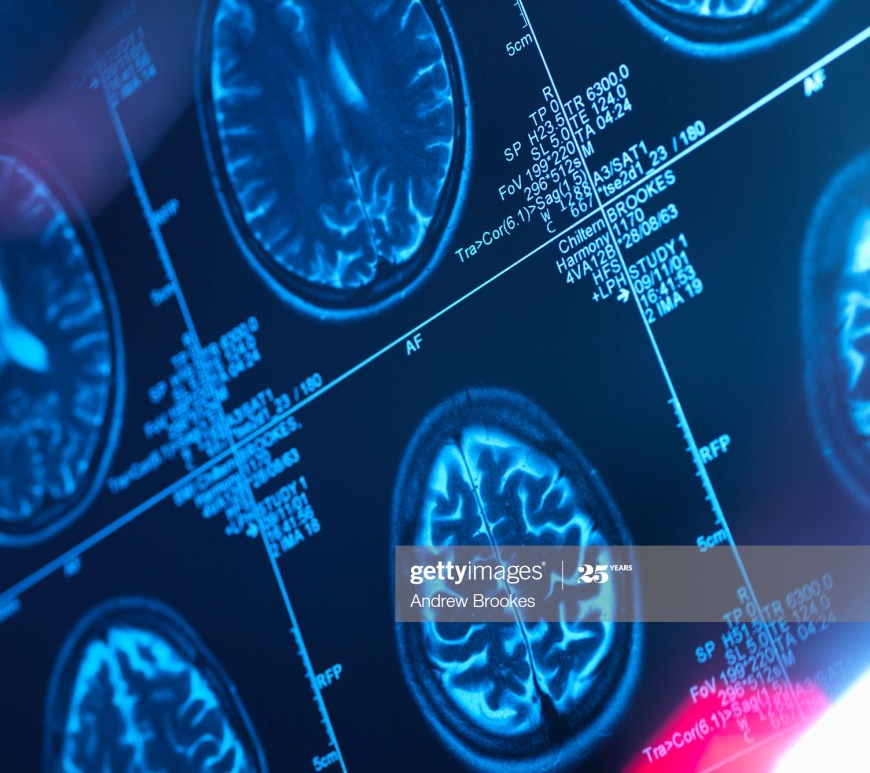
Priyanshi Patel ‘22 A study on neuroimaging led by Stony Brook professor Lilianne R. Mujica-Parodi reveals that neurobiological changes that are associated with aging can also be seen at a much younger age than expected. The study suggests that the effects of the changes can be prevented or reversed based on changes in diet that involve minimizing the consumption of carbohydrates. The research team at … Continue reading A Low-Carb Diet Can Increase Brain Stability in Individuals.

Inactivated Gene Linked to Kidney Cancer and Tumor Development in Mice

Gaurav Sharma ’22 The epigenetic components pertaining to the onset of cancer have been of interest for many years due to the hope of developing approaches to delay the onset of cancer in the future for an individual. Recently, a tumor suppressor family has been discovered, called Ras-Association Domain Family (RASSF) which epigenetically inactivated breast, lung, skin, and thyroid cancers. Neither RASSF10’s in-vivo function nor … Continue reading Inactivated Gene Linked to Kidney Cancer and Tumor Development in Mice

After the Fall: Link Between PTSD and Prostate Cancer

Wendy Wu ’22 On the morning of September 11, 2001, the Twin Towers of the World Trade Center (WTC) collapsed. Within minutes, first responders arrived on the scene. Amidst the debris and smothering dust, they got to work, evacuating citizens and heading into the towers to rescue whoever they could. It was truly a display of heroic bravery and compassion, but unfortunately, many of the … Continue reading After the Fall: Link Between PTSD and Prostate Cancer

The Disappearance of the Y Chromosome (And Other Chromosomes)

Wendy Wu ’22 The Y-chromosome is quite unlike its homologue, the X-chromosome. With a relatively lacking number of genes, the Y-chromosome is the only chromosome inessential for life; its major function is to determine the sex of offspring. How did this come to be the case? A part of the reason is that the Y-chromosome does not occur as a pair; it does not have … Continue reading The Disappearance of the Y Chromosome (And Other Chromosomes)

Psychosis from schizophrenia can lead to social isolation

Joyce Chen ‘23 As humans, we are able to distinguish between what is real and what is not. But sometimes, the lines between reality and fantasy can get blurred. Psychosis is a mental condition where an individual loses his or her sense of perception due to an impairment in thought, resulting in a loss of connection with reality. Untreated psychosis has been theorized to be … Continue reading Psychosis from schizophrenia can lead to social isolation

Genetic factors may be involved in disease risk of early-onset autoimmune thyroid disease

Panayiota Siskos ’23 Autoimmune thyroid diseases, such as Graves’ disease and Hashimoto’s disease, are often characterized by the infiltration of T cells and B cells in the thyroid as well as the production of antibodies specific to thyroid antigens. Genes including human leukocyte antigen (HLA), cytotoxic T lymphocyte-associated factor 4 (CTLA-4), CD40, and protein tyrosine phosphatase-22 (PTPN-22) have been previously associated with susceptibility to autoimmune … Continue reading Genetic factors may be involved in disease risk of early-onset autoimmune thyroid disease

Application of Trispecific Antibodies to Anticancer Immunotherapy

Ashley Goland ’23 Immunotherapy is a form of cancer treatment that utilizes the body’s own immune system to destroy cancerous tumors and has shown promise in past animal and clinical human trials. For all of its dazzling successes to date, however, immunotherapy is not completely effective for treating the full range of cancer types and patients— yet. Scientists working in Sanofi Research and Development believe … Continue reading Application of Trispecific Antibodies to Anticancer Immunotherapy

Comfort Eating and Cortisol Reactivity

Ayesha Azeem ‘23 “Comfort-eating,” or increased food intake, is one of the most common responses to stressful situations. Cortisol is the body’s main stress hormone that regulates metabolism and the immune response to stressful situations. Cortisol reactivity under stress can predict stress-related eating behavior and how it affects the body mass index (BMI). Based on one’s cortisol reactivity to a stressor, a person may be … Continue reading Comfort Eating and Cortisol Reactivity

Dexamethasone as a Possible Treatment for Patients Diagnosed with Acute Respiratory Distress Syndrome

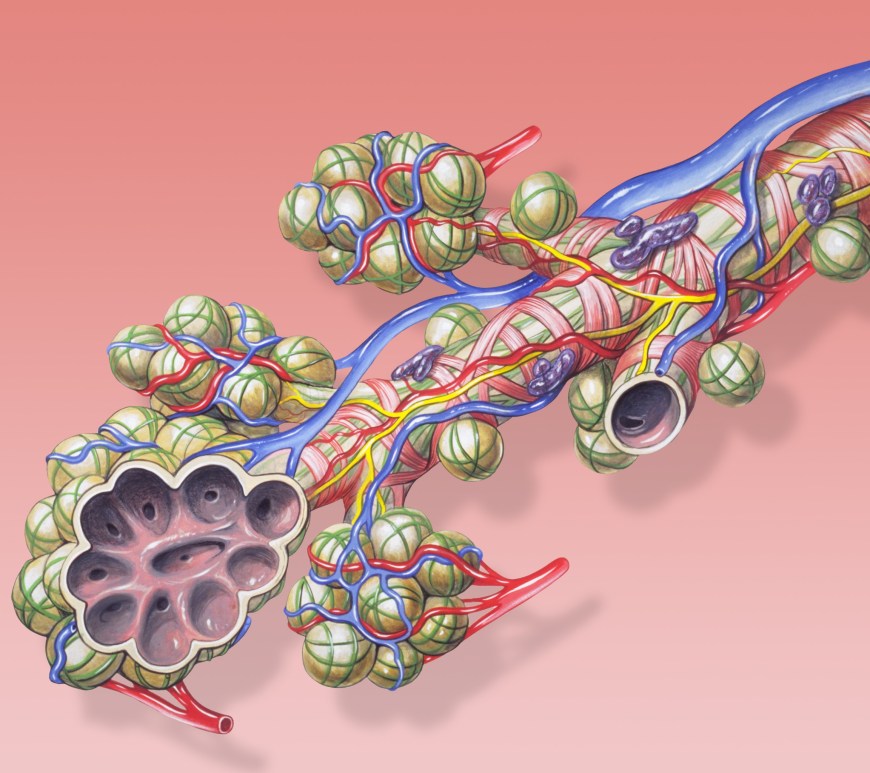
Simran Kaur ‘20 Acute respiratory distress syndrome (ARDS) is characterized by the build-up of fluid in the alveoli of the lungs, the main sites of gaseous exchange, causing a lack of oxygen in the body. ARDS is caused by sudden trauma to the lungs, and there currently is no pharmacological treatment for the condition. Researchers in the study sought to determine the efficacy of dexamethasone, … Continue reading Dexamethasone as a Possible Treatment for Patients Diagnosed with Acute Respiratory Distress Syndrome