The Cardiotoxic Effects of Oil on Fish Embryos

by Julia Newman (’19) Recent oil spills in the North Atlantic are currently causing detrimental effects not only on the water’s safety for humans, but also on the millions of fish species that live there. One species in particular, the Atlantic haddock, has shown a decreased survival correlated with the oil spills. This is a concern for both the ecosystems the fish are a part … Continue reading The Cardiotoxic Effects of Oil on Fish Embryos

Obsessive Compulsive Disorder in Children

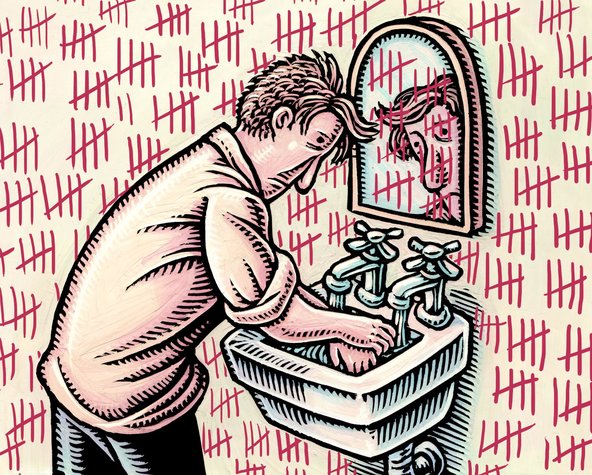
by Amanda Ng (’17) Obsessive Compulsive Disorder, better known as OCD, is a harmful and disabling disorder that consists of recurrent thoughts or actions due to anxiety or distress. Symptoms of OCD include obsessions with self-harm, symmetry, hoarding, and contamination or cleaning. Although a multitude of research exists on this disorder in adults, there is little literature on how it comes to manifest in children. … Continue reading Obsessive Compulsive Disorder in Children

Thumb-Suckers Develop Less Allergies

by Julia Newman (’19) According to the popular Hygiene Hypothesis, if a child is exposed to bacteria and other microbes early in life, he will be more resistant to various bacterial illnesses. In order to test this premise, Stephanie Lynch of the American Board of Pediatrics and Malcolm Sears of the Department of Respirology at McMaster University conducted a study on thumb-sucking and nail-biting in … Continue reading Thumb-Suckers Develop Less Allergies

The Effect of “Burning Out” and Secondary Traumatic Stress in Medical Students

by Jenna Mallon (’18) Burnout in medical education has been a focus of study due to the negative consequences it can have on student performance. Secondary traumatic stress, caused by exposure to traumatic events, is studied less but is still prevalent in the medical field. Dr. David A. Richardson, from the Department of Obstetrics and Gynecology at the Henry Ford Hospital/Wayne State University, and a … Continue reading The Effect of “Burning Out” and Secondary Traumatic Stress in Medical Students

Understanding Acute and Chronic Pain

by Aaron Gochman (’18) The biological mechanisms for acute and chronic pain appear to be vastly different, with the understanding for that of chronic pain proving much more elusive. However, an international team of researchers may have discovered a link between the two in a recent study. NMDA receptors (NMDAR) have a diverse role in neurological function. They modulate neurotransmission, the process of transducing signals … Continue reading Understanding Acute and Chronic Pain

The Correlation Between Smoking and Mental Health

by Jenna Mallon (’18) Since smoking affects different neurotransmitter systems throughout the body, it has been known to cause changes in mood and sleep patterns. Numerous studies have been done to determine the relationship between smoking and sleeping, but mental illnesses and mood changes have been greatly overlooked. Dr. Takahiro Kawada and a team of researchers from the Center for Regional Collaboration at Kochi University … Continue reading The Correlation Between Smoking and Mental Health

Exploring A Safer Steroid Therapy

by Aaron Gochman (’18) Most pharmacological approaches in the study of congenital adrenal hyperplasia involve the administration of corticosteroids, potent drugs that quickly affect the body. Extended use of corticosteroids, however, typically yields unpleasant metabolic side effects. Despite this weakness, corticosteroids have been the mainstream treatment in attempting to suppress adrenal androgen. However, scientists from the United Kingdom have discovered a novel approach: corticosterone, a … Continue reading Exploring A Safer Steroid Therapy

The Effect of Radiation Exposure on the Brain

by Jenna Mallon (’18) The effects of radiation exposure, whether from cell phones, power lines, or medical imaging systems such as x-rays, have been a focus of study for many researchers. There are concerns over the numerous health risks that can results from EM energy radiation exposure, since it affects the central nervous system. However, not all the side effects from radiation exposure are harmful. … Continue reading The Effect of Radiation Exposure on the Brain

Hippo Biology: The Next Step in Tissue Regeneration

by Aaron Gochman (’18) Traditional studies of tissue regeneration and repair have focused on delivering cells and biomaterials, compounds that will presumably grow when placed in a biologically friendly environment. A new avenue for research, however, has been revealed by a Chinese group that has chosen to focus on drug-based therapeutics instead. The study detailed a discovery in which the team found a drug, XMU-MP-1, … Continue reading Hippo Biology: The Next Step in Tissue Regeneration

The Effect of Acetaminophen on Pregnant Women

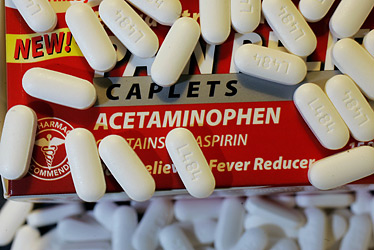
by Sahil Rawal (’19) Acetaminophen is a painkiller that is often used by pregnant women as an analgesic, as it is readily available over-the-counter. The CDC had previously deemed this drug safe, and it was shown to cause no major birth defects. However, there have been recent studies that have shown that acetaminophen may play a role in causing autism-like symptoms in children. As a … Continue reading The Effect of Acetaminophen on Pregnant Women

Neurocognitive Development in Children with Epilepsy

by Lillian Pao (’18) Epilepsy affecting children is associated with neurophysiological and neurocognitive mechanisms. These children grow up with a weakened and less organized network structure in comparison to children without epilepsy. Prior studies have attempted to understand the neurocognitive functions in child epilepsy through eye movements. Unlike those that conducted previous studies, Professor Judith Lunn from Lancaster University in the United Kingdom, aimed to … Continue reading Neurocognitive Development in Children with Epilepsy

The Disadvantages of Opioids as Painkillers

by Sahil Rawal (’19) Opioids are one of the most commonly used painkillers in the United States. They have been shown to bind to opioid receptors and reduce the feeling of pain. However, there have been very few, if any, studies conducted that prove the negative aspects of opioids and how they may not actually relieve pain as well as we once believed. Dr. Grace … Continue reading The Disadvantages of Opioids as Painkillers