A Possible Link Between Childhood Obesity and Intellectual Disorders

by Julia Newman (’19) According to a study recently published in the Disability and Health Journal, children with an intellectual disability (ID) are nearly twice as likely to develop obesity as those without ID. The researchers recorded weekly behaviors of children aged ten to seventeen years old, such as the frequency of family meals and exercise. The results displayed that children with ID ate consistent … Continue reading A Possible Link Between Childhood Obesity and Intellectual Disorders

The Strong Black Woman: How Stereotypes Can Affect Our Health

by Amanda Ng (’18) The way people are stereotyped can not only affect how others view us, but also how we view ourselves. This internalization of stereotypes and altered self-perception can lead to both mental and physical health problems for many individuals. In this study, conducted by Dr. Lindsey West of New England University, data was collected from 113 Black female college students aged 18 … Continue reading The Strong Black Woman: How Stereotypes Can Affect Our Health

The Factors That Impact a Dog’s Attention Span

by Julia Newman (’19) Researchers at the University of Padua in Italy conducted a study on attention spans in dogs and ended up discovering that both the level of training and sex of the dog impact this length of time. A total of sixty-four dogs of various levels of training were put through multiple tests in order to record data on the length of their … Continue reading The Factors That Impact a Dog’s Attention Span

How Birth Order Affects Social Relationships

by Amanda Ng (’18) Although much research has been done on birth-order and its affects on relationships, it has mostly focused on theories such as the “middle-child syndrome” and how birth order can affect siblings’ relationships. However, what has not been studied is the idea that a person’s birth order may also affect their prosociality, which is the degree to which a person acts in … Continue reading How Birth Order Affects Social Relationships

Restoring Function after Traumatic Brain Injuries

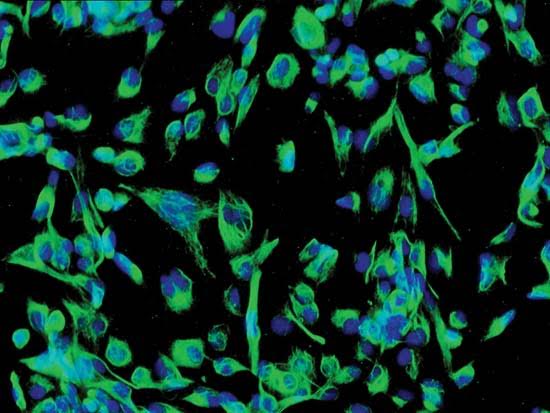
by Julia Newman (’19) Although there is currently no successful treatment for traumatic brain injuries, researchers at the University of California recently tested a new and promising method using human neural stem cells (hNSC), which have been found to be multipotent. Experiments in the past were performed solely on rats using immunosuppressant drugs in order to prevent transplant rejection, but this study found it more … Continue reading Restoring Function after Traumatic Brain Injuries

Positive Psychology Interventions May Enhance Happiness

by Amanda Ng (’18) In an effort to help those dealing with depression and enhance general happiness, recent psychological treatments have focused on advancing a field called “positive psychology”. “Positive psychology” focuses on strategies and intentional activities to enhance a person’s well-being by inducing positive emotions and behaviors. In this study, led by Dr. Sara Wellenzohn of the University of Zurich, Switzerland, a positive psychology … Continue reading Positive Psychology Interventions May Enhance Happiness

Mitochondria: Selective protein degradation ensures cellular longevity

by Aaron Gochman (’18) Mitochondria are known as the “powerhouse of the cell.” They provide energy and regulate important biological processes to ensure healthy metabolism and proper cellular function. Hence when mitochondrial dysfunction occurs, the cell is at great risk. A pair of researchers from University of Gothenburg in Sweden have characterized a pathway in which harmful mitochondrial proteins can be degraded without affecting normal … Continue reading Mitochondria: Selective protein degradation ensures cellular longevity

Chronic Fatigue Syndrome May Just Be a Case of Persistent Burnout

by Jenna Mallon (’18) Chronic Fatigue Syndrome (CFS) affects .0007 to 2.8% of the adult population and can be highly debilitating. Unfortunately, its etiology is unknown. The two current theories, the cognitive behavioral theory and the viral theory, do not fully explain the occurrence of certain symptoms of the syndrome. Current research focuses on dysfunction in the hypothalamic-pituitary-adrenal (HPA) axis, which can lead to hypocortisolism … Continue reading Chronic Fatigue Syndrome May Just Be a Case of Persistent Burnout

Complexin induces a conformational change of the SNARE complex

by Aaron Gochman (’18) Intercellular communication in the central nervous system occurs at a synapse, the gap between two neurons. The presynaptic neuron releases a chemical messenger known as a neurotransmitter, which diffuses across the synapse and relays the signal to the postsynaptic cell. The process of releasing the neurotransmitter from the presynaptic cell is quite complicated. The mechanism includes packing the neurotransmitter inside a … Continue reading Complexin induces a conformational change of the SNARE complex

Researchers Find Correlation Between Pollen Storages and Foraging Activity

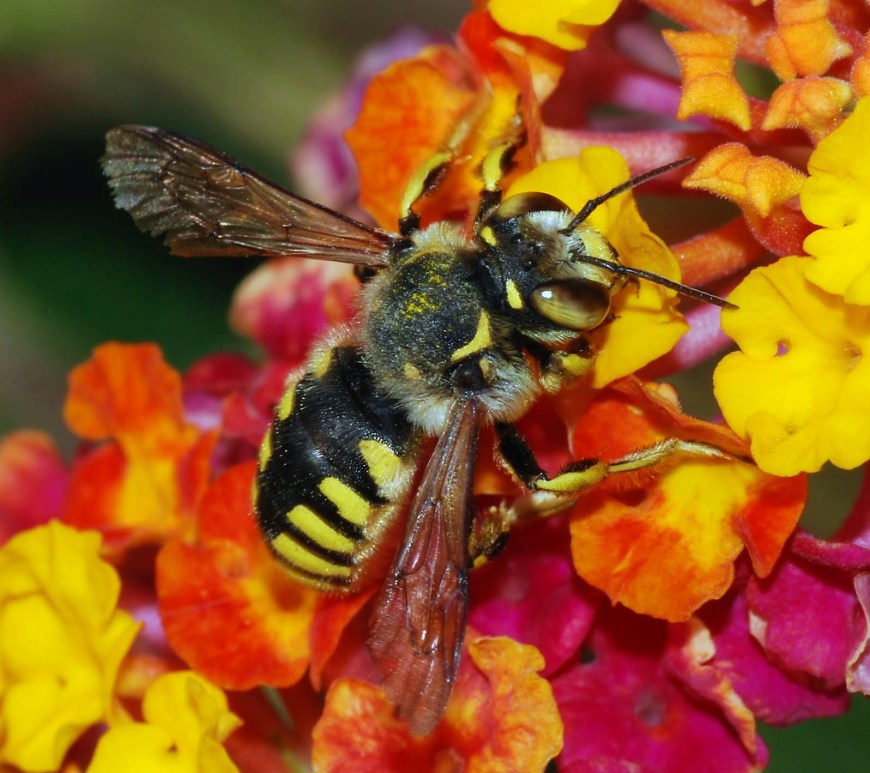
by Jenna Mallon (’18) A lot goes on inside the hives of Apis mellifera, commonly known as the western honeybee, to keep the colony of bees alive and healthy. Forager bees work outside the hive to collect water, pollen, nectar, and resin: all of which are necessary for the survival of the bees. Collecting pollen and understanding the behavior and action of forager bees has … Continue reading Researchers Find Correlation Between Pollen Storages and Foraging Activity

Dual Threat: DLK as a Novel Role Player in Axonal Regeneration

by Aaron Gochman (’18) Axonal regeneration is a branch of neuroscience on the cutting edge; re-growing injured neurons is a technique that, once refined, will fundamentally change the landscape of nervous system therapies. A team of researchers from University of Michigan, Washington University in St. Louis, and University of Pennsylvania have discovered a key intracellular pathway in axonal regeneration that is conserved in both Drosophila, … Continue reading Dual Threat: DLK as a Novel Role Player in Axonal Regeneration

The Origin of Dogs Traces Back to Two Separate Locations

by Jenna Mallon (’18) Although it is a common fact that domestic dogs originated from wolves, there are still speculations concerning the geographical and temporal origins of man’s best friend. There are disagreements over when and where dogs were domesticated. Despite evidence that points to the Paleolithic Era, some archeologists argue that dogs could have been independently domesticated in two separate regions: Eastern and Western … Continue reading The Origin of Dogs Traces Back to Two Separate Locations