


Implementation of Nitric Oxide Protein and Signaling Pathways for Prevention of Bacterial Infection in Medical Implants
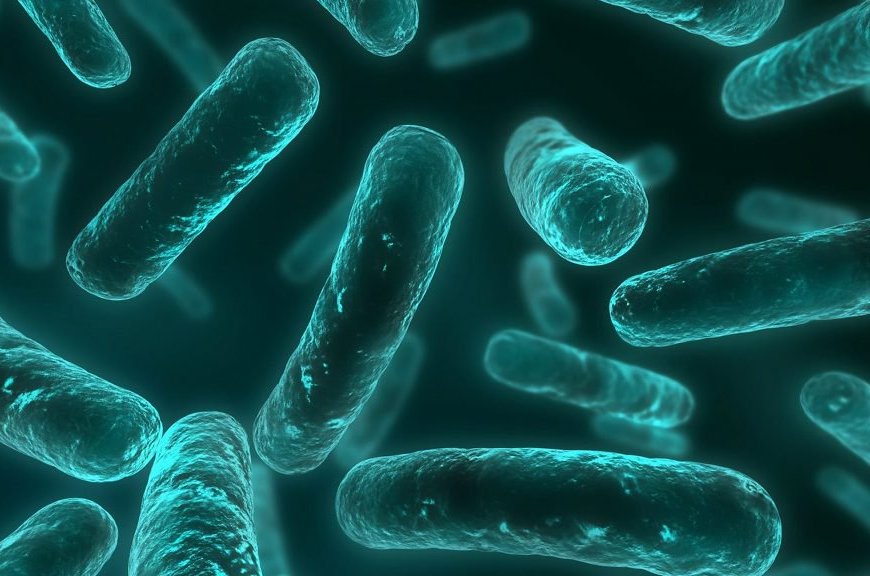
Eimaan Bilal, Class of 2028 Many individuals rely on medical implants to improve their quality of life, but such internal devices are prone to bacteria attaching to the implant’s surfaces. This can create a biofilm that produces an exopolysaccharide matrix, increasing one’s risk for certain chronic infections and resistance to antibiotics. It has been hypothesized that biofilm regulation could be achieved by targeting how biofilms … Continue reading Implementation of Nitric Oxide Protein and Signaling Pathways for Prevention of Bacterial Infection in Medical Implants






 Young Investigators Review