Chronic Fatigue Syndrome May Just Be a Case of Persistent Burnout

by Jenna Mallon (’18) Chronic Fatigue Syndrome (CFS) affects .0007 to 2.8% of the adult population and can be highly debilitating. Unfortunately, its etiology is unknown. The two current theories, the cognitive behavioral theory and the viral theory, do not fully explain the occurrence of certain symptoms of the syndrome. Current research focuses on dysfunction in the hypothalamic-pituitary-adrenal (HPA) axis, which can lead to hypocortisolism … Continue reading Chronic Fatigue Syndrome May Just Be a Case of Persistent Burnout

Complexin induces a conformational change of the SNARE complex

by Aaron Gochman (’18) Intercellular communication in the central nervous system occurs at a synapse, the gap between two neurons. The presynaptic neuron releases a chemical messenger known as a neurotransmitter, which diffuses across the synapse and relays the signal to the postsynaptic cell. The process of releasing the neurotransmitter from the presynaptic cell is quite complicated. The mechanism includes packing the neurotransmitter inside a … Continue reading Complexin induces a conformational change of the SNARE complex

Dual Threat: DLK as a Novel Role Player in Axonal Regeneration

by Aaron Gochman (’18) Axonal regeneration is a branch of neuroscience on the cutting edge; re-growing injured neurons is a technique that, once refined, will fundamentally change the landscape of nervous system therapies. A team of researchers from University of Michigan, Washington University in St. Louis, and University of Pennsylvania have discovered a key intracellular pathway in axonal regeneration that is conserved in both Drosophila, … Continue reading Dual Threat: DLK as a Novel Role Player in Axonal Regeneration

Swimming Pools May Be Mutagenic

By Sahil Rawal (’19) Swimming pools are known to contain many disinfectant products such as chlorine to keep the water safe to swim in. However, studies have recently found that these disinfectants release byproducts that could eventually react with organic matter already present in the water, such as human urine or sweat. These released byproducts have already been found to cause cases of asthma and … Continue reading Swimming Pools May Be Mutagenic

The Moon and its Effects on Sleep and Behavior

By Lillian Pao (’18)               For centuries, the mythical powers of the moon and its influence over human behavior have fascinated mankind. Because of this fascination, an international group of scientists decided to test whether the lunar phases affected children’s sleeping patterns. The full moon, half moon, and new moon were the three lunar phases that were tested. Over … Continue reading The Moon and its Effects on Sleep and Behavior

Baboon Case Study Furthers Transplant Research

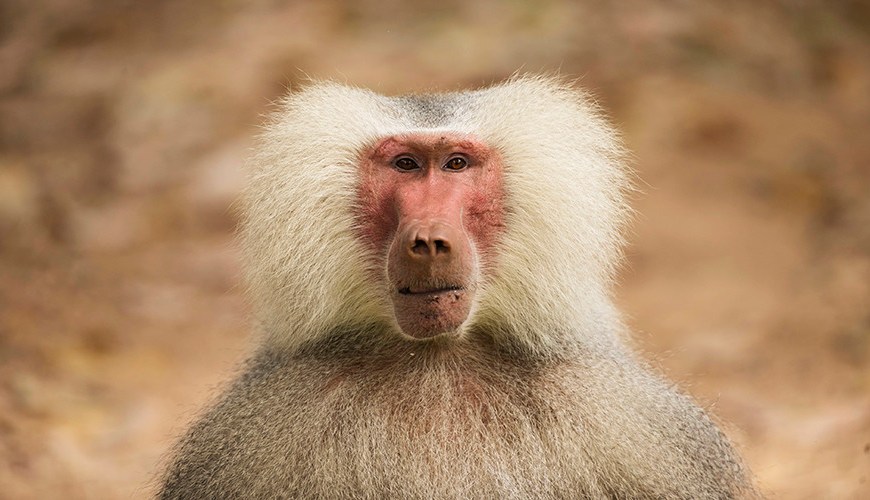
By Julia Newman ’19 Eight thousand people in the United States die each year while waiting for a viable heart transplant, but recent baboon studies suggest that scientists may one day be able to drastically decrease this statistic. Finding enough human organ donors can be extremely difficult, which has led researchers to investigate cross-species transplants within the last few decades. However, given that many donated … Continue reading Baboon Case Study Furthers Transplant Research

Algae May Be The Key To Curing Cancer

By Julia Newman ’19 Newly discovered properties of blue-green algae may make it a better treatment for brain tumors than any method or drug used in the past. Although this type of algae, also known as cyanobacteria, can be traced back over two billion years, the effect of the coibamide A found within cyanobacteria has only been discovered now. Most cancer cells undergo a process … Continue reading Algae May Be The Key To Curing Cancer

Hormone Producing Microbes Protects from Plant Pathogens

By Meghan Bialt-DeCelie ’19 Using microbes is one of the more unique ways of protecting plants from abiotic and biotic stresses of the environment. Researchers from the University of Copenhagen discovered a novel method for bacteria to produce a plant hormone called cytokinin that can biocontrol plants. Cytokinin is responsible for a wide range of functions including cell division, nutrient mobilization, and seed germination. There are … Continue reading Hormone Producing Microbes Protects from Plant Pathogens

Parental phenotype may affect offspring phenotype

By Shannon Bohman ’19 An individual’s genotype, composed of the maternal and paternal’s genomes, is expressed physically as a phenotype.  A team of Netherland geneticists found that the phenotype of an offspring depends partly on the environmental factors experienced by his or her parents. One species in which such transgenerational effects are evident is Arabidopsis thaliana, a plant species whose small genome and short generation … Continue reading Parental phenotype may affect offspring phenotype

A New View of Cancer Cells

By Meghan Bialt-DeCelie ’19 Most scientists study live cancer cell samples by preparing them on a glass slide and coverslip. However, this method often compresses the sample. Since cancer cells are very sensitive to their surroundings, the compression of the slide affects their behavior and may interfere with the results and overall understanding of cancer cell interactions. Researchers from UT Southwestern Medical Center have designed a … Continue reading A New View of Cancer Cells

Tardigrades Survive & Thrive After Deep Freeze

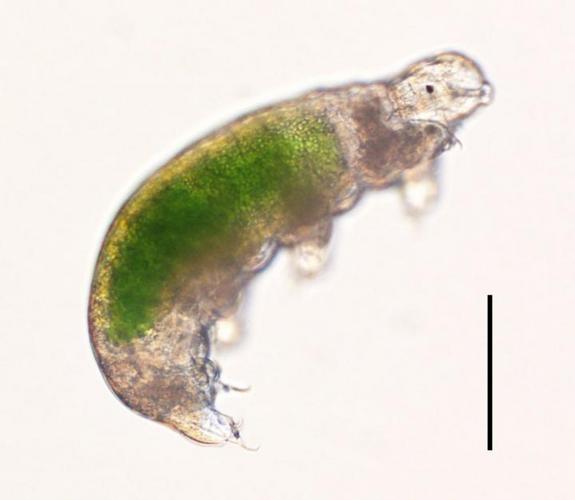
By Julia Newman ’19 After thirty years of a frozen, hibernation-like state, two tardigrades have not only “awakened” but have already begun to reproduce. Back in 1983, these microscopic water bears were found living in an Antarctic moss at temperatures as low as -20 degrees Celsius. Scientists that previously knew of the tardigrades’ ability to survive in extreme conditions experimented with two specimen and an … Continue reading Tardigrades Survive & Thrive After Deep Freeze

A Cuckoo Bird’s Egg Trick

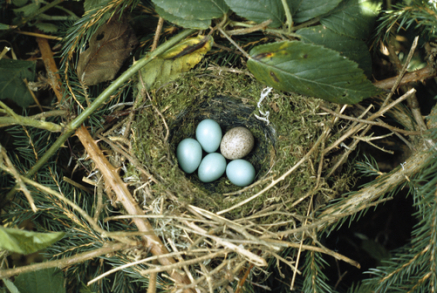
By Julia Newman ’19 Robins lay blue eggs, sparrows lay speckled eggs, and cuckoos – well, it depends. Cuckoo birds have the ability to lay different colored eggs over time depending on the other common birds in their environment. For example, if robins are abundant in an ecosystem, the cuckoo birds eventually evolve to lay blue eggs.  However, according to studies done at the Norwegian … Continue reading A Cuckoo Bird’s Egg Trick