MRI Brain Mapping of Glymphatic System May Inform AD Diagnostic

Vignesh Subramanian ’24 Alzheimer’s disease (AD) is a neurodegenerative disorder and form of dementia that causes progressive loss of memory, critical thinking skills, and behavioral capabilities. Among other pathophysiological mechanisms, the disease is characterized by disruptions in the glymphatic system, which is responsible for the facilitation of cerebrospinal fluid (CSF) and interstitial fluid (ISF) exchange driving macroscopic waste and solute clearance. Breakdowns in this clearance … Continue reading MRI Brain Mapping of Glymphatic System May Inform AD Diagnostic

Square Dancing can Improve Cognitive Performance in Older Women

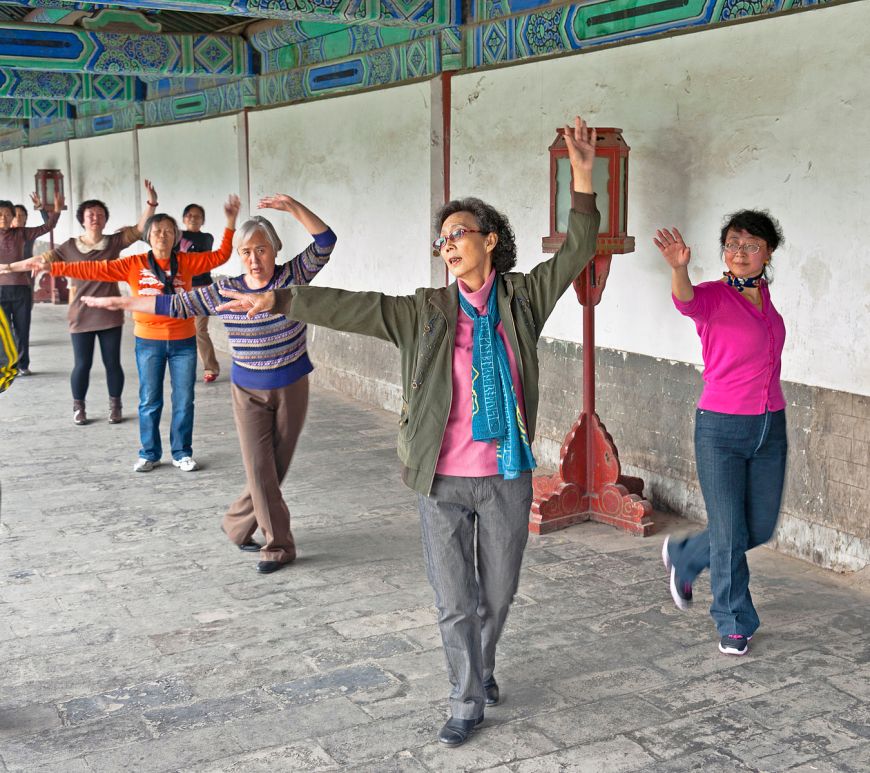
Yukta Kulkarni ’22 It is a well-known fact that exercise has many physical and psychological benefits. For example, persistent exercise is associated with increased muscle strength, a better metabolism, and even improving mood. Amidst common forms of exercise such as weight lifting and running, other activities such as dancing can fall into this category. Previous studies have shown that dancing offers advantages such as improvements … Continue reading Square Dancing can Improve Cognitive Performance in Older Women

From Sugars to Medicine: Advancements in Selective Carbohydrate Modification

Peter Gillespie ’25 What if simple sugars could be turned into vital medicines? Dr. Ming-Yu Ngai and his team at Stony Brook University are making this dream a reality.  Due to their relevance in cell-cell recognition, protein folding, inflammation, and infection, carbohydrate modification poses an intriguing avenue through which scientists can treat issues from viral infection to malfunctions in protein folding. Changing the character of … Continue reading From Sugars to Medicine: Advancements in Selective Carbohydrate Modification

History of Maternal Depression May Correlate with Hippocampal Volume in their Children

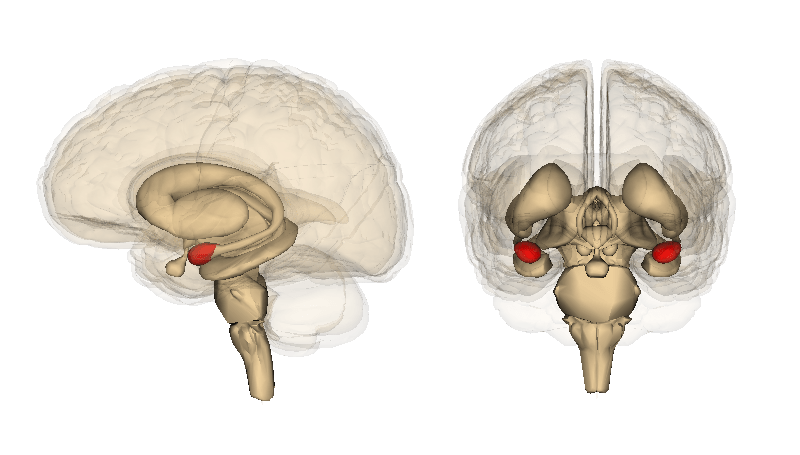
Yukta Kulkarni ’22 Depression is defined as a mental disorder in which a person has consistent feelings of sadness and a severe loss of interest. Affecting all age groups, parents can be inflicted with depression or depression-like symptoms. Previous studies have found that children of parents suffering from depression have an increased risk of developing psychiatric disorders during their lifetimes. However, the process of how … Continue reading History of Maternal Depression May Correlate with Hippocampal Volume in their Children

Newly Discovered Functions of MAIT Cells Suggests a Possible Target for Immunotherapy and Vaccine Treatments

Sooraj Shah ’24 While much focus has been given to the COVID-19 pandemic, autoimmune diseases, such as lupus, also affect seven percent of the American population. Recent research suggests a potential link between mucosal-associated invariant T (MAIT) cells and the two diseases, as both COVID-19 and autoimmune diseases trigger increased MAIT cell response. A study led by Dr. Charles Vorkas, a professor in the Department … Continue reading Newly Discovered Functions of MAIT Cells Suggests a Possible Target for Immunotherapy and Vaccine Treatments

Usage of Music Therapy on Anxiety-Presenting COVID-19 Patients

Sooraj Shah ’24 A rise in chronic respiratory and cardiac ailments has been attributed to the coronavirus pandemic. However, one overlooked consequence of COVID-19 is isolation, which increases the risk of developing stress-related disorders, such as anxiety and depression, as patients ponder whether separation is permanent. Previous research supports music as an important tool in addressing this psychological distress, as it has been shown to … Continue reading Usage of Music Therapy on Anxiety-Presenting COVID-19 Patients

Feeling the Rainbow: Advances in Multisensory Artistic Experiences for the Visually Impaired

Peter Gillespie ’25 Is art seen, or is it experienced? Thanks to the work of researchers Jorge Bartolome, Gilsang Cho, and Jun-Dong Cho at Sungkyunkwan University, people with visual impairments can now appreciate artwork through senses other than vision. Previous research in allowing people with visual impairments to experience art has appealed to just one other sense, such as sound or touch. However, Bartolome and … Continue reading Feeling the Rainbow: Advances in Multisensory Artistic Experiences for the Visually Impaired

Using Computation Fluid Dynamics to Mitigate Airborne Disease Transmission in Orchestras

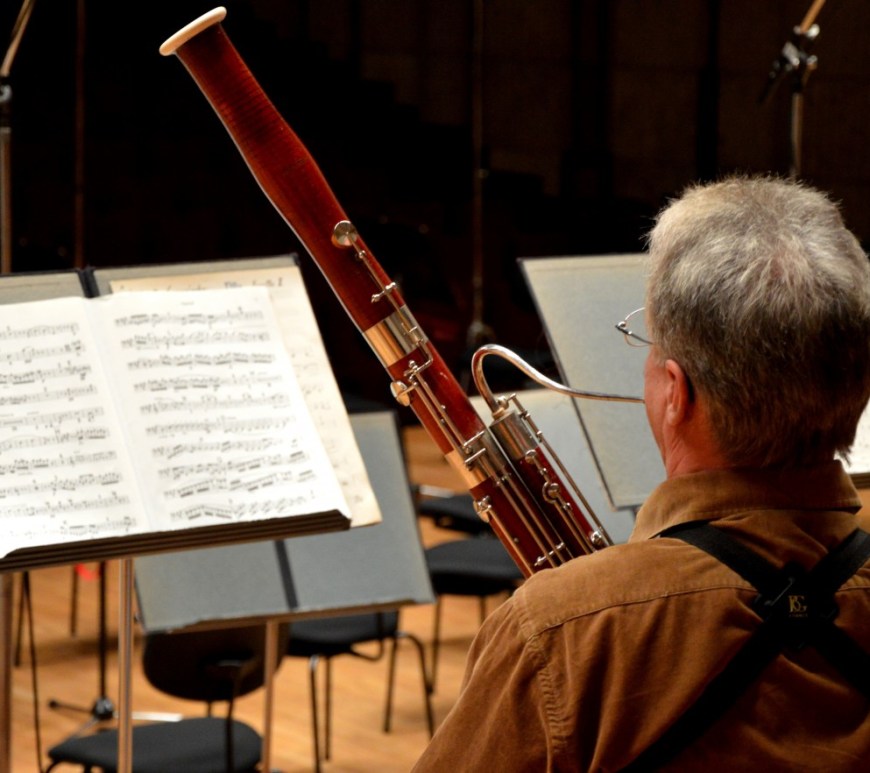
Zhifei Zeng ’23 Since the start of the COVID-19 pandemic, many performing arts groups such as choirs, orchestras, opera, and dance companies have suffered a heavy loss. This is mainly because COVID-19 can be spread through infectious aerosols produced by singing or playing wind instruments, which led to show cancellations throughout the industry. To assess mitigation strategies to reduce the risk of infection to performers, … Continue reading Using Computation Fluid Dynamics to Mitigate Airborne Disease Transmission in Orchestras

An Enzyme-Activating Protein may be a Switch for Invasive Cancer

Zhifei Zeng ’23 Many breast cancer (BC) patients suffer from complications of metastatic disease. In order to form metastasis, cancer cells must switch from a proliferative to an invasive state and overcome several physical barriers to reach another site. Interestingly, increased invasiveness of the tumor is accompanied by a decrease in its cell proliferation capacity. For breast cancer, some proteins may help this proliferative-to-invasive switch … Continue reading An Enzyme-Activating Protein may be a Switch for Invasive Cancer

Sing and You Shall Learn: How Singing Enables Easier Language Acquisition

Thumyat Noe ’23 Learning a new language is challenging, but several studies claim that music may improve the learning process. For instance, primary school children with prior musical experience tend to have greater developed auditory working and verbal memories, allowing for easier language acquisition. Furthermore, according to a previous study, singing increased phonological awareness in Spanish-speaking students, yielding an improvement in English vocabulary recall and … Continue reading Sing and You Shall Learn: How Singing Enables Easier Language Acquisition

Making Magic in Medical Settings: How Magic May Improve the Patient-Student Connection

Thumyat Noe ’23 Many medical students often find themselves feeling emotionally detached from the illness experiences of patients. To combat this sentiment, medical education curricula recommend that students gain clinical immersion experience early to enhance students’ awareness of the patient experience. Past clinical findings suggest that performing magic acts as part of clinical immersion experience can further improve relations between medical staff and child patients. … Continue reading Making Magic in Medical Settings: How Magic May Improve the Patient-Student Connection

Conditioned Taste Aversion Depends on Long-Term Depression of Neuronal Signaling

Vignesh Subramanian ’24 Conditioned taste aversion (CTA) is a learned association, made by humans as well as other animals, between the taste of food consumed and a subsequent period of illness assumed to be caused by said consumption. This period of illness is paired with an aversive stimulus, such as gastrointestinal malaise, and produces visceral distress that encourages the animal to avoid the food in … Continue reading Conditioned Taste Aversion Depends on Long-Term Depression of Neuronal Signaling