Urea-Resistability of Shark Myosin: Insights into Protein Stability and Potential Therapeutic Implications

Justin Lim ’26 Figure 1: White shark.jpg Urea, a common byproduct of protein metabolism, is excreted through urine in most urea-producing organisms due to its toxic properties in high concentrations. Specifically, urea’s nitrogen content can destabilize the structure of proteins by weakening their folded structure. Sharks have chemical countermeasures to halt the progression of protein denaturation through the use of trymethylamine N-Oxide (TMAO), a molecule … Continue reading Urea-Resistability of Shark Myosin: Insights into Protein Stability and Potential Therapeutic Implications

Understanding how the Aging of Germline Cells “Resets” in Offspring

Sean Krivitsky ‘27 Figure 1. Section of a DNA double helix People have long been fascinated by the process of aging as well as the potential to reverse or prevent it. In particular, ribosomal DNA (rDNA) has been found to potentially play a role in aging. As aging occurs, rDNA repeats in the germline are gradually lost over time, as evidenced by the lab’s work … Continue reading Understanding how the Aging of Germline Cells “Resets” in Offspring

Exciting New Approach to Targeting the Mitochondria to Fight Cancer

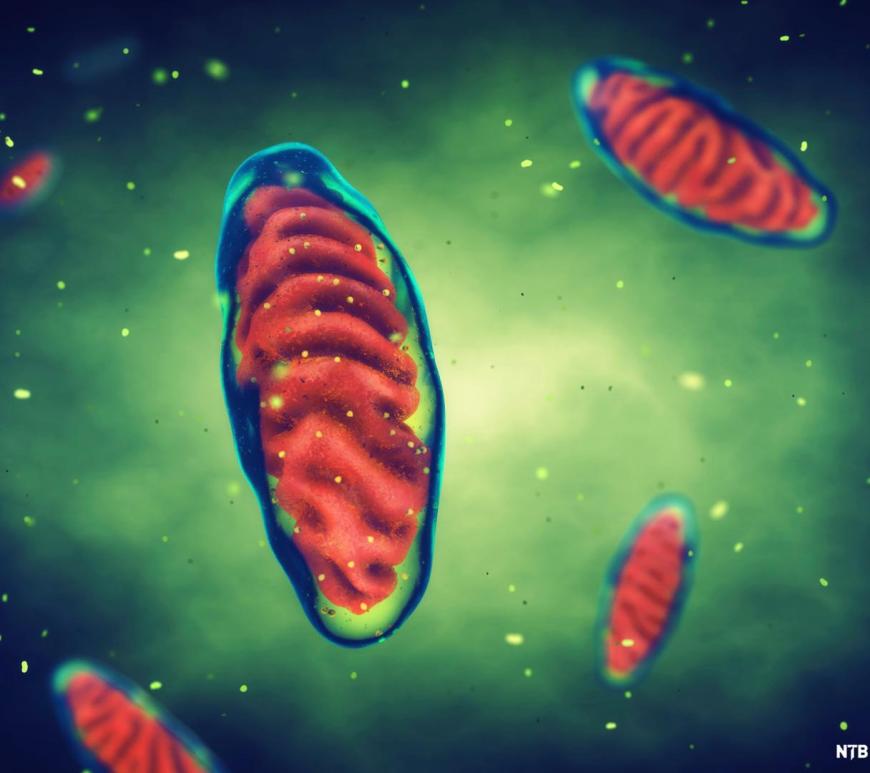
Sean Krivitsky ‘27 Figure 1. Visualization of the mitochondria Unbeknownst to many, the mitochondria plays a significant role in carcinogenesis given the importance of metabolic processes in the formation and maintenance of tumors. CPI-613, more commonly known as devimistat, is a recently developed drug that targets a key metabolic cycle that takes place in the mitochondria of cancer cells, the tricarboxylic acid (TCA) cycle. The … Continue reading Exciting New Approach to Targeting the Mitochondria to Fight Cancer

Improved initial assessments of severe skin burns allow for more accurate assertion of whether or not surgical intervention is required for healing

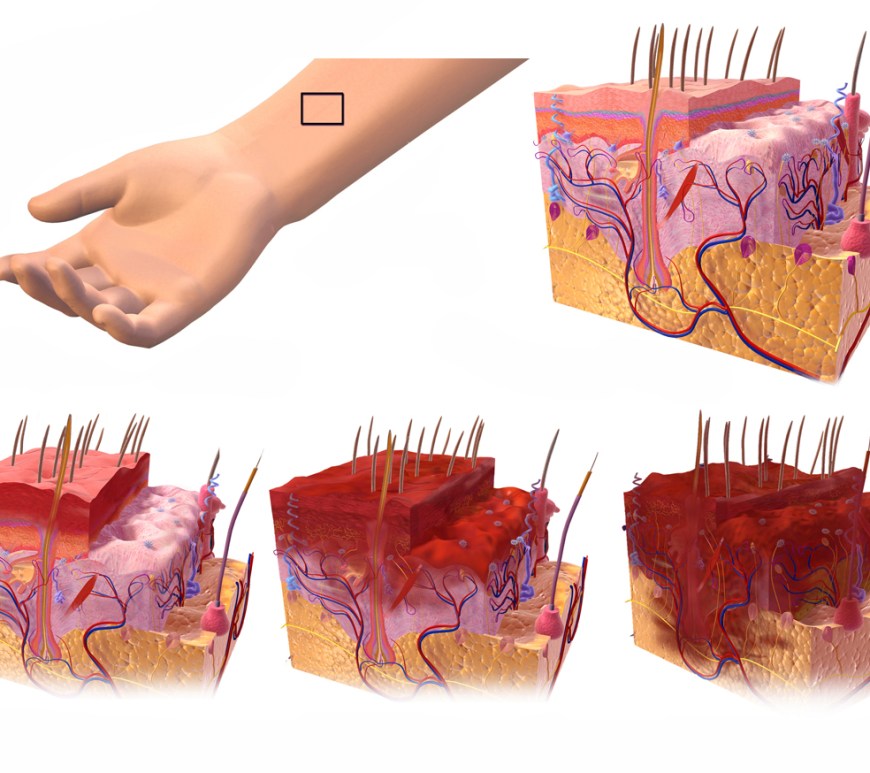
Maria Sazonova ’26  Burn injuries can result in significant skin necrosis and deep tissue damage. Severe skin burn injuries are dynamic and hard to predict; therefore, initial assessment is paramount because it forms the basis for a subsequent treatment plan. A group of Stony Brook University scientists led by M. Hassan Arbab, funded by The National Institute of General Medical Sciences, created a neural network … Continue reading Improved initial assessments of severe skin burns allow for more accurate assertion of whether or not surgical intervention is required for healing

Chronic Pain Signaling Predicted by Orbitofrontal Cortex Signatures

Vignesh Subramanian ’24 Figure 1: A sagittal MRI view of the human orbitofrontal cortex. Chronic pain syndromes typically entail persistent pain lasting at least three months, marked by the long-term rewiring of neural circuitry that triggers unprompted pain signals. Measuring chronic pain has long proven challenging due to its entanglement with a wide array of overlapping neural circuits and the subjectivity with which it is … Continue reading Chronic Pain Signaling Predicted by Orbitofrontal Cortex Signatures

Positive effects of Saccharina latissima kelp on coastal ocean acidification and growth of bivalves. 

Maria Sazonova ’26  Figure 1: Saccharina Latissima kelp underwater Coastal zones are focal points of ocean acidification due to the influx of atmospheric CO2 which has severe negative effects on the growth and survival of calcifying bivalves. Kelp species provide numerous ecosystem services such as carbon and nitrogen sequestration and the creation of a safe habitat for aquatic creatures. Saccharina latissima (sugar kelp) specifically can … Continue reading Positive effects of Saccharina latissima kelp on coastal ocean acidification and growth of bivalves. 

Racial Disparities in Recommendation of Resective Surgery Undermines Treatment of Brain Tumors

Vignesh Subramanian ’24 Brain tumors—abnormal and typically cancerous growths of uncontrollably multiplying cells—are often first treated using a surgical approach. Benign and malignant brain tumors may be addressed with excision (partial removal) or resection (complete removal) procedures once an evaluation of surgical indications has established their necessity. As such, these procedures require the physicians with whom patients consult—whether neurosurgeons, oncologists, neurologists, or other specialties—to explicitly … Continue reading Racial Disparities in Recommendation of Resective Surgery Undermines Treatment of Brain Tumors

Development of Innovative Burn Assessment Technique Using Neural Network

Julia Chivu ’23 The current burn injury evaluation methods available for clinical use are ineffective and outdated. These circumstances are problematic as the initial injury assessment is necessary to ensure the best clinical treatment plan for the patient. Burns can lead to deep tissue damages, necrosis, and severe scarring. Without a proper course of action, the injury can negatively impact the patient’s quality of life, … Continue reading Development of Innovative Burn Assessment Technique Using Neural Network

Predicting the Future: The Prognostic Value of Tumor Budding and Microenvironment in Colon Cancer

Peter Gillespie ’25 Can the success of cancer treatment be predicted before treatment begins? Findings from Dr. Wen and his colleagues at Stony Brook Medicine suggest that certain characteristics of the tumor and the microenvironment can predict the success of treatment in colon cancer patients. Dr. Wen and colleagues investigated the prognostic ability of intratumoral budding, which is the presence of one or a few … Continue reading Predicting the Future: The Prognostic Value of Tumor Budding and Microenvironment in Colon Cancer

Symptom Manifestation Indicates Severity of Fracture-Derived Ocular Injury

Vignesh Subramanian ’24 Orbital fractures are breakages in one or more of the bones surrounding the eyeball (collectively known as the orbit or eye socket) that are typically caused by blunt force trauma to the face. While not common, such fractures may cause serious ocular injury, which in turn may result in blurred or double vision, prolonged ocular or facial pain, poorer visual acuity, afferent … Continue reading Symptom Manifestation Indicates Severity of Fracture-Derived Ocular Injury

Pleasant and Unpleasant Odor Identification Ability is Associated with Distinct Dimensions of Negative Symptoms across Multiple Psychotic Disorders

Sydney Giron ’26 The olfactory system is involved in ingestive behavior, awareness of environmental hazards, and social interactions. Olfactory function has been used as both a diagnostic and prognostic marker for psychiatric and neurodegenerative disorders. Previous studies suggest an association between olfactory impairments and negative symptoms that are associated with psychotic disorders. These symptoms include avolition, which is a lack of motivation and alogia, which … Continue reading Pleasant and Unpleasant Odor Identification Ability is Associated with Distinct Dimensions of Negative Symptoms across Multiple Psychotic Disorders

Heart Medication as Potential Treatment for Alcohol Use Disorder 

Julia Chivu ’24 Heart medication may serve a different purpose than its intended use. According to the National Institute of Health and other research partners, spironolactone may treat alcohol use disorder. Alcohol use disorder (AUD) is a brain disorder associated with chronic alcohol abuse, often causing increased rates of morbidity, mortality, and poverty. Since there are limited options for AUD treatment, researchers have turned to … Continue reading Heart Medication as Potential Treatment for Alcohol Use Disorder