Understanding the Neurobiology of Love and Deception

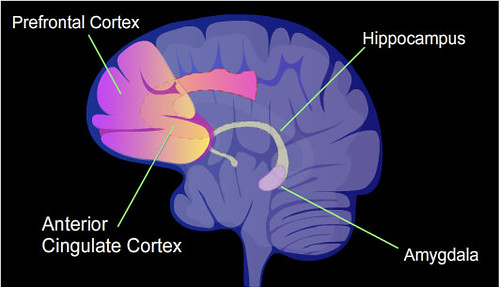
Julia Chivu ’23 Figure 1  Couple holding hands walking towards a multi-colored sunset Recent scientific research has been increasingly focused on better understanding the complex relationship between deception and love. The study of deception within relationships and across genders is essential for interpreting the correlation between human behavior, neural mechanisms, and trust. A research team from Zhejiang Normal University investigated the neurological mechanisms of deception … Continue reading Understanding the Neurobiology of Love and Deception

Microdosing Psychedelics

Shahzadi Adeena ’25 In recent years, there has been a growing interest in microdosing psychedelic drugs as a potential tool for enhancing cognitive abilities and improving overall wellbeing. Vince Polito and Richard J. Stevenson of Macquarie University investigated the effects of microdosing psychedelics on psychological variables such as mood, attention, wellbeing, mindfulness, mystical experiences, personality, absorption, creativity, and sense of agency. The researchers hypothesized that … Continue reading Microdosing Psychedelics

Return of Consciousness After Traumatic Brain Injury

Shahzadi Adeena ’25 Understanding the fundamental mechanisms of consciousness, particularly following traumatic brain injury (TBI), is nuanced and challenging. Thalamic function plays a critical role in facilitating consciousness; injury to thalamus-frontal circuitry can impair consciousness. Sima Mofakham and Charles Millek of Stony Brook University hypothesized that thalamocortical projections to the frontoparietal network facilitate the complex dynamics needed for consciousness, and that injury to these connections … Continue reading Return of Consciousness After Traumatic Brain Injury

Racial Disparities in Recommendation of Resective Surgery Undermines Treatment of Brain Tumors

Vignesh Subramanian ’24 Brain tumors—abnormal and typically cancerous growths of uncontrollably multiplying cells—are often first treated using a surgical approach. Benign and malignant brain tumors may be addressed with excision (partial removal) or resection (complete removal) procedures once an evaluation of surgical indications has established their necessity. As such, these procedures require the physicians with whom patients consult—whether neurosurgeons, oncologists, neurologists, or other specialties—to explicitly … Continue reading Racial Disparities in Recommendation of Resective Surgery Undermines Treatment of Brain Tumors

Growth of Artificial Brain Tumors Using Three Dimensional Cell Culture

Julia Chivu ’23 Three dimensional culture systems and patient derived cells successfully allow for tumoroid development. Tumoroids are structures that grow and appear morphologically similar to naturally growing tumors in a patient. Tumoroids show promise for testing new drugs and cancer treatments. For instance, glioblastoma is a form of brain cancer that is aggressive, fast growing, and deadly. In particular, the mesenchymal subtype of this … Continue reading Growth of Artificial Brain Tumors Using Three Dimensional Cell Culture

Racial Disparities in Childhood Adversity Exposure Influence Neuroanatomical Development

Vignesh Subramanian ’24 Childhood adversity is a broad term encompassing a range of experiences and circumstances that negatively impact a child’s well-being and development. Such circumstances include trauma and exposure to violence, all forms of abuse, neglect, exploitation, and family economic hardship, with profound and stratified implications for lifelong health. Lasting effects often include the development of toxic stress responses, accumulating hormones that over-activate certain … Continue reading Racial Disparities in Childhood Adversity Exposure Influence Neuroanatomical Development

EEG Analysis Reveals Association Between Parkinson’s Disease with Visual Hallucinations and Epileptic Discharges

Jessica George ’24 Psychosis in Parkinson’s Disease (PD) is characterized by visual hallucinations (VHs). These VHs have a significant impact on patient’s lives and serve as a reliable predictor for future nursing home institutionalization. Several disorders such as Charles Bonnet syndrome and temporal lobe epilepsy have similar features to those of PD VHs. In the aforementioned disorders, EEG analysis revealed epileptiform discharges, which led researchers … Continue reading EEG Analysis Reveals Association Between Parkinson’s Disease with Visual Hallucinations and Epileptic Discharges

Exercise Was Successfully Able to Restore Brain Insulin Responsiveness in Overweight and Obese Individuals Living a Sedentary Life

Jessica George ’24 When the brain is resistant to insulin, the body tends to gain weight and distribute fat unfavorably. Resistance to insulin is one of the main characteristics of disorders such as type 2 diabetes and obesity. Today, it is unknown whether it is possible to completely reverse insulin resistance in the brain. Researchers at the Institute for Diabetes Research and Metabolic Diseases of … Continue reading Exercise Was Successfully Able to Restore Brain Insulin Responsiveness in Overweight and Obese Individuals Living a Sedentary Life

Novel Form of Noninvasive Neurosurgery Selectively Lesions Faulty Neural Circuitry

Vignesh Subramanian ’24 A number of movement disorders and motor neuron diseases, including focal epilepsy, Parkinson’s disease, amyotrophic lateral sclerosis, progressive muscular atrophy, and multiple sclerosis, are recognized as medically intractable or capable of becoming so. Intractable conditions lack known etiologies and have no established courses of treatment, with those in the neurological sphere often characterized by resistance to neural activity-suppressing medications (e.g. muscle relaxants, … Continue reading Novel Form of Noninvasive Neurosurgery Selectively Lesions Faulty Neural Circuitry

Targeted Treatment to the Thalamus Can Have Successful Results in Patients with Traumatic Brain Injuries

Melanie Karniewich ’25 Brain injuries are becoming more common, but there are still a lot of unanswered questions that are asked in the aftermath of a traumatic brain injury (TBI). One issue researchers are trying to resolve is whether a patient will awaken after a TBI, and if so, how long awakening takes. Assistant professors Sima Mofakham (Department of Surgery and the Department of Electrical … Continue reading Targeted Treatment to the Thalamus Can Have Successful Results in Patients with Traumatic Brain Injuries

Neuronal Firing in Thalamus is Key to Restoring Post-TBI Consciousness

Vignesh Subramanian ’24 Traumatic brain injury (TBI) is a form of acquired brain disability caused by an external force exerted against the head. The causative trauma is typically severe enough to result in loss of consciousness and the conditions under which consciousness returns remain unclear. Clinical practice uses complex electroencephalography (EEG) activity to predict its return and level, predicated on the assumption that neuronal firing … Continue reading Neuronal Firing in Thalamus is Key to Restoring Post-TBI Consciousness

Selective Striatal Neuron Degeneration in HD Linked to Autophagy Impairment

Vignesh Subramanian ’24 Huntington’s disease (HD) is an inherited neurodegenerative disease that causes the progressive breakdown of neurons over time, resulting in the development of involuntary movements (chorea), psychiatric disorders, and cognitive decline. HD is caused by the dominant mutation of the HTT gene encoding huntingtin, a protein whose normal function is unknown but is linked to projection neuron death in the striatum of the … Continue reading Selective Striatal Neuron Degeneration in HD Linked to Autophagy Impairment