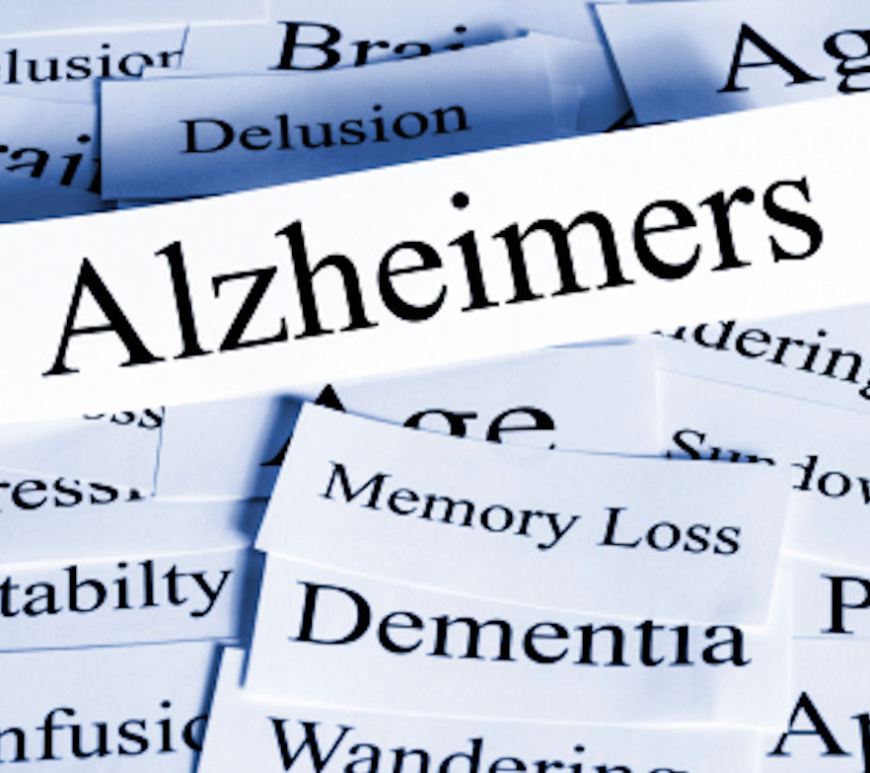
Chromosomal Studies Lead to Advancements for Alzheimer’s Disease

by Sahil Rawal (’19) Alzheimer’s disease is a well-known neurodegenerative disease that commonly affects people of older age. Although scientists have been able to connect different lifestyle factors with the onset of Alzheimer’s, the basic molecular mechanisms are still not completely understood. Currently, there are many ongoing studies that aim to gain more information on Alzheimer’s disease and the etiologies behind the devastating disease. Studies … Continue reading Chromosomal Studies Lead to Advancements for Alzheimer’s Disease

The Secret Behind Increased Wisdom

by Lillian Pao (’18) There is no concrete definition of wisdom. However, there are some repetitive themes that encompass the idea of wisdom, such as the use of knowledge from an experience, careful decision-making, and lowered anxiety during complex situations. In a recent study, professors of the University of Chicago concluded that there may be a connection between somatic, or physical, practices and wisdom. Although … Continue reading The Secret Behind Increased Wisdom

How Childhood Trauma May Be Surmounted

by Julia Newman ’19 Past studies display that children exposed to traumatic experiences, such as death of a family member, are prone to developing not only mental issues, but also issues concerning their physical health. However, more recent research proves that these traumas, also known as adverse childhood experiences (ACEs), and their effects can be overcome if the children are living in a healthy environment. This study, conducted by … Continue reading How Childhood Trauma May Be Surmounted

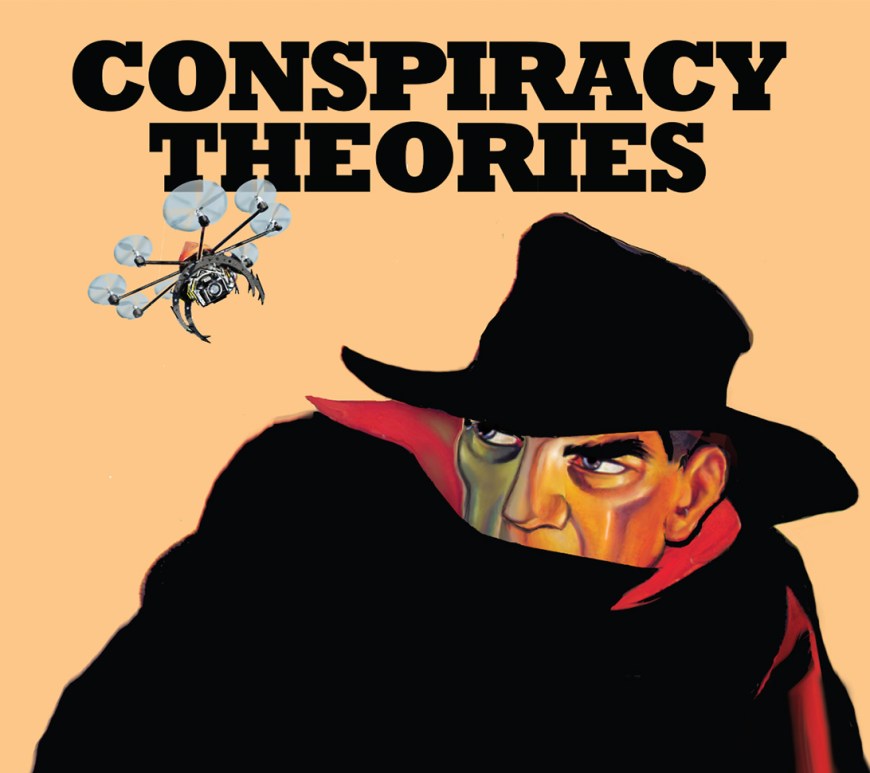
The Math of Conspiracy Theories

By Shannon Bohman ’19 Fig. 1 Almost everyone has heard of or even bought into a conspiracy theory. A conspiracy, or the idea that certain groups secretly manipulate important events and power structures, can be political, scientific, or even supernatural. Some conspiracies involving the innate belief that vaccines are dangerous have serious allegations and have sparked great public interest for the truth. Dr. David Robert … Continue reading The Math of Conspiracy Theories

Performing Under Pressure

By Meghan Bialt-DeCelie ’19 According to new research led by Dr. Michiko Yoshie of the University of Sussex, performing on a stage with an audience is more stressful than practicing alone for professional performers. The research involved the study of several cases. In one case, participants were asked to perform a task while watching a video of two people observing them. In another case, they performed … Continue reading Performing Under Pressure

The Virtual Path to Assessing Alzheimer’s in Humans

By Meghan Bialt-DeCelie ’19 Scientists have reported that they have developed an analogous rodent test that could aid in Alzheimer research for humans. The Morris Maze Test assesses the ability of rodents with Alzheimer’s disease to reach a pedestal in a water-filled arena. During the assessment, rodents attempt to reach the pedestal in a number of trials. In the first trial, the pedestal is shown … Continue reading The Virtual Path to Assessing Alzheimer’s in Humans

Positive Body Image Campaign Causes Decline in Women’s Health

By Lee Ann Santore ’19 Many researchers suggest that it is in the best interest for consumers to ignore the “body size issue” for the sake of their physical and mental health. An experiment conducted by Lily Lin, of California State University, and Brent McFerran, of Simon Fraser University, investigated how strongly advertisements can influence a woman’s health choices. Women participating in the study were … Continue reading Positive Body Image Campaign Causes Decline in Women’s Health

Application of Psychology in Emails Could Lead to More Effective Communication

By Lee Ann Santore ’19 In this age of technology, email is employed as a fundamental form of communication capable of creating and strengthening both casual and professional relationships. Researchers from the USC Viterbi School of Engineering, having studied 16 billion emails sent by 2 million users, were able to identify several key patterns. The results revealed that most emails are responded to within an hour, … Continue reading Application of Psychology in Emails Could Lead to More Effective Communication

New Study Suggests Loneliness Destroys Physical Health

By Karis Tutuska ’18   It is widely accepted that loneliness can damage mental health. However, a recent study supported by the National Institutes of Health suggested that isolation affects physical health as well.  Researchers studied 141 adults aged 50-68 and found that the feeling of loneliness a phenomenon known as “conserved transcriptional response to adversity”(CTRA). CTRA has two major physiological consequences: it inhibits genetic expression … Continue reading New Study Suggests Loneliness Destroys Physical Health

Scientists Use Computer Modeling to Determine if Information is Contagious

By Lee Ann Santore Stony Brook University’s own researchers, Christian Luhmann and Suparna Rajaram, have conducted a study that will make students think twice about studying with a group. The study aimed to determine whether or not information is contagious in the same way that behaviors like smoking are. Their experiment involved the use of advanced computer modeling to simulate individuals and groups of humans. … Continue reading Scientists Use Computer Modeling to Determine if Information is Contagious

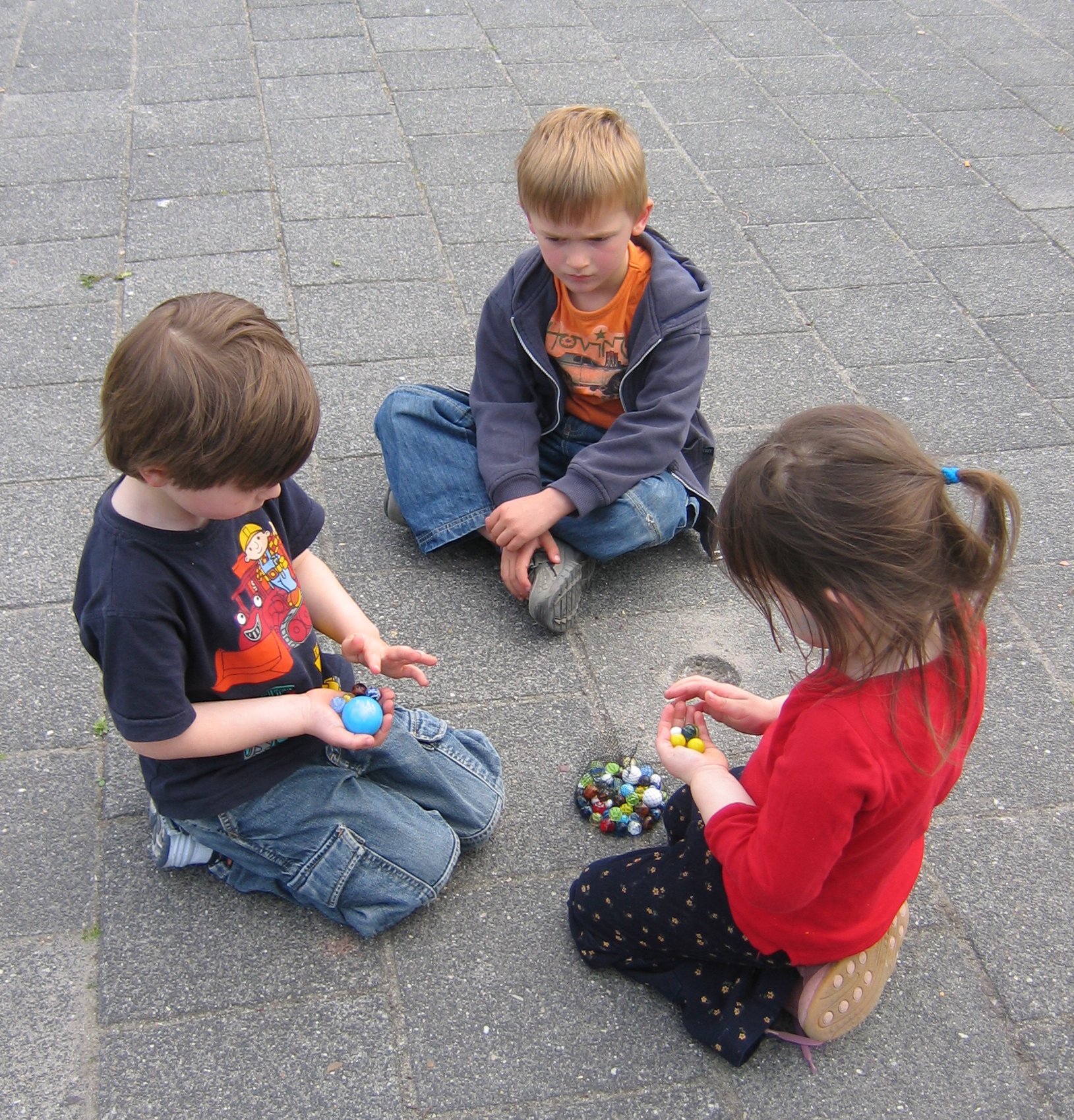
Study Suggests Children with Religious Upbringing are Less Altruistic

By Karis Tutuska Image Acquired from: https://upload.wikimedia.org/wikipedia/commons/a/a5/Children_marbles.jpg Figure Caption: Study tests altruism in children with religious and non-religious upbringings Many assume that religion plays a crucial role in a child’s moral development. However, a recent study at the University of Chicago suggests that children raised with a religious background are less altruistic than those who are were raised secularly. The experiment was conducted on children aged … Continue reading Study Suggests Children with Religious Upbringing are Less Altruistic

Light Therapy vs Cognitive Behavioral Therapy

By Meghan Bialt-DeCelie Image Acquired from: https://en.wikipedia.org/wiki/Light_therapy Figure 2: An example of a light source commonly used in light therapy to treat Seasonal Affective Disorder.   With shorter days and winter approaching, over 14 million Americans experience Seasonal Affective Disorder (SAD) or the “winter blues”. Commonly used, light therapy tackles the biological causes of SAD by exposing one to an artificial light for a period of … Continue reading Light Therapy vs Cognitive Behavioral Therapy