Creating Electricity Using the Motion of the Body

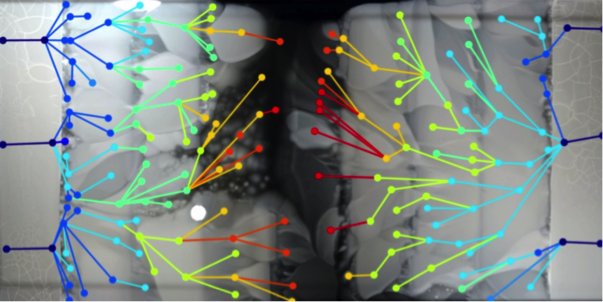
    Michael D’Agati ‘18 Wearable electronics, such as the Fitbit and Apple Watch, have started to flood the consumer marketplace. Flexible energy sources, rather than traditional batteries, are garnering more popularity to power this wearable technology because energy created by a moving human body – an unlimited power source – can be harvested and used to power them. A team of researchers led by … Continue reading Creating Electricity Using the Motion of the Body

Sensing Human Touch with Low Frequencies

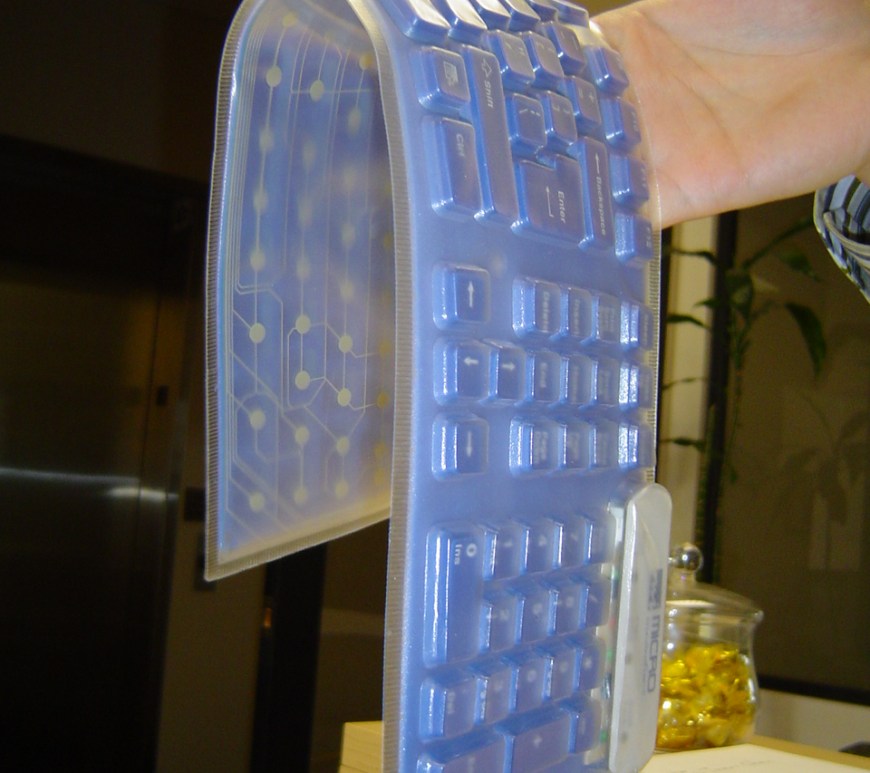
Michael D’Agati ‘18 Passive touch sensing flexible keyboards could supplement low power displays. Sensing Human Touch with Low Frequencies. From touch screens to keypads, the technology that senses a human touch is vital to communication in the 21st century. This technology found in the displays of smartphones and tablets requires active touch sensing technologies. In other words, the display requires power delivered via battery or … Continue reading Sensing Human Touch with Low Frequencies

Potential Oral Anti-Malarial Medication Developed

  By Richard Liang   Malaria is still a potent threat in regions across the globe despite attempts at mass drug administration. Existing drugs that limit its transmission are difficult to distribute and administer in large groups. An orally administered drug would be most efficient, but oral drugs are often too rapidly metabolized by the digestive system to be effective. In a recent study led … Continue reading Potential Oral Anti-Malarial Medication Developed

Identifying Bacteria with MALDI-TOF MS Methods

By Caleb Sooknanan Detecting microbial agents that cause bloodstream infections is a common task in clinical microbiology laboratories. Matrix-assisted laser desorption/ionization time-of-flight mass spectrometry (MALDI-TOF MS) has become one of the most effective bacterial identification methods in recent years, but the corresponding kit for preparing samples is very expensive. This limits the potential use of MALDI-TOF MS in clinical settings. Dr. Shota Yanetani and researchers … Continue reading Identifying Bacteria with MALDI-TOF MS Methods

Gold Nanoparticles Suppressing Tumor Growth in Pancreatic Cancer

by Rideeta Raquib ’19   Gold is one of the most valuable resources in the world, and its value may be even greater due to its potential as a new treatment for pancreatic cancer. Previously, gold nanoparticles, AuNPs, were used to target tumor regions and aid in the transport of drugs and chemotherapy to the tumor.  A previous study showed that gold nanoparticles had the ability … Continue reading Gold Nanoparticles Suppressing Tumor Growth in Pancreatic Cancer

Understanding Antigen Replacement in Influenza A Viruses

by Caleb Sooknanan ’20   Influenza is a common viral infection that attacks the respiratory system. Major outbreaks occur due to antigenic changes in the influenza A virus, which is when virus strains from separate hosts combine to form different strains with a mixture of surface antigens. Unfortunately, the mechanism behind this replacement, or antigenic shift, remains misunderstood. Dr. Yuki Furuse and his team of researchers … Continue reading Understanding Antigen Replacement in Influenza A Viruses

New Study Reveals Effects of Timely Hepatitis B Vaccination

by Caleb Sooknanan ‘20   Hepatitis B is a viral infection that often attacks the liver. As infections have become increasingly common in Fujian, China, new measures have been created to control the virus’s impact. Such efforts have included vaccines for newborns and infants, as recommended in China’s national immunization program vaccine (NIPV) series. However, little is known about how the timely administration of the first … Continue reading New Study Reveals Effects of Timely Hepatitis B Vaccination

Effects of Chikungunya Fever on Pregnancies and Newborns

by Caleb Sooknanan ’20   Chikungunya is a mosquito-borne virus that incites severe joint pain and fever. The chikungunya fever (CHIKF) epidemic in Latin and South America in 2013 revealed that the virus posed a threat to maternal and child health. However, information surrounding the risks and effects of mother-to-child transmission of the virus is limited. Dr. Jaime R. Torres and his team of researchers at … Continue reading Effects of Chikungunya Fever on Pregnancies and Newborns

Memory and the Stages of a Women’s Menstrual Cycle

    by Rideeta Raquib Previous psychological studies have suggested that women have a good memory, but a new study implies that this may be due to the impact of hormones. Other studies that tested rodents showed that there was a correlation between low estradiol (E2) levels and an increase in striatal mediated response strategies. The striatum is a region of the forebrain associated with … Continue reading Memory and the Stages of a Women’s Menstrual Cycle

Stem Cells Successfully Generate a Fully Functional Liver

    by Rideeta Raquib Approximately 30 million people are affected by liver disease globally, and the quest to find donors for liver transplants is difficult. There is a lack of functional livers available compared to the liver disease patient population. In some cases, a portion of the liver from a living donor is sufficient for regular function. Stem cells are unspecialized cells that can differentiate … Continue reading Stem Cells Successfully Generate a Fully Functional Liver

Visualizing Microbial Evolution on Antibiotic Landscape

By Jalwa Afroz Bacteria survive by evolving and reproducing in order to overcome environmental challenges. However, there is very little information available on how bacteria physically move in order to attain an environment that is suitable for their needs. Scientists from Harvard Medical School and Technion-Israel Institute of Technology have designed a simple way to show how bacteria move as they become resistant to drugs. … Continue reading Visualizing Microbial Evolution on Antibiotic Landscape

‘Super-agers’ Retain Youthful Memories

  By Jalwa Alfroz As humans age, it is normal for cognitive skills, such as memory, to decline. However, some people seem to escape this fate, and are subsequently categorized as super-agers. Investigators at the Harvard-affiliated Massachusetts General Hospital, led by Dr. Bradford Dickerson, revealed that certain areas of the brains of older adults with extraordinary memory performance looked similar to those of young adults. Previously, … Continue reading ‘Super-agers’ Retain Youthful Memories