Bio-Diesel Enhances the Flow of Emulsions in Pipelines

by Jenna Mallon (’18) Emulsions, mixtures containing two immiscible liquids, are used in a variety of industries including food, paint, pharmaceutical, cosmetic, and oil/gas. Emulsions play a large role in petroleum production since they exist at every stage of production, from crude oil to the refined petroleum. Issues arise when it comes to the transport of petroleum: the emulsions in the petroleum may contain solids … Continue reading Bio-Diesel Enhances the Flow of Emulsions in Pipelines

A New Approach For Treating Retinal Pathologies

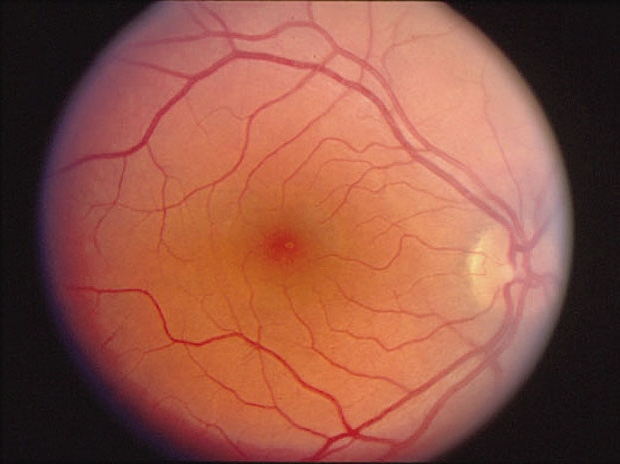
by Aaron Gochman (’18) Though visual signaling and processing is detected in the eye, information must still make its way to the brain. Photoreceptors in the retina function as transducers of these signals. However, damage to photoreceptor cells can cause not only blindness but also several types of retinal diseases. Designing therapies that target photoreceptor cells has proven to be challenging given the many G-protein … Continue reading A New Approach For Treating Retinal Pathologies

Mindfulness: A New Treatment For Multiple Sclerosis Patients

by Jenna Mallon (’18) Along with the disabilities caused by damage to the Central Nervous System (CNS), stress, depression, and anxiety are common occurrences for patients who suffer from Multiple Sclerosis (MS). In many cases, these mental illnesses will exacerbate the physical side effects of MS. In order to combat this, psychological treatments like Cognitive-Behavioral Therapy (CBT) have been used in conjunction with traditional forms … Continue reading Mindfulness: A New Treatment For Multiple Sclerosis Patients

Gender Differences in Emotional Experience and Expression

by Lillian Pao (’18) There are many differences between men and women, some of which concern their emotional experiences. Professor Yaling Deng, from the Beijing Normal University in Beijing, China, decided to investigate the emotional experience and expression difference between males and females. His study tested 31 men and 48 women on eight emotion types: sadness, anger, horror, disgust, neutrality, surprise, amusement, and pleasure. To … Continue reading Gender Differences in Emotional Experience and Expression

A New Vaccine For Alzheimer’s Disease

by Sahil Rawal (’19) Alzheimer’s disease is a debilitating disease that most often affects people of older age. A common trait within patients with Alzheimer’s disease is the accumulation of beta-amyloid proteins. These proteins eventually form plaques in the brain, which block nerve signaling and cause cell death. Although this is widely known, there have been very few successful treatments created within the last few … Continue reading A New Vaccine For Alzheimer’s Disease

The Influence of Religion on the Sexuality of Women

by Lillian Pao (’18) Religion and spiritual beliefs may influence pregnant and postpartum women’s sexuality. Professor Sagrario Gomez Cantarino, from the University of Castilla la Mancha in Toledo, Spain, and his team of researchers wanted to understand a woman’s perspective on this issue as a result of her interactions with others as well as influential cultural and historical ideals. To further learn about women’s thoughts, … Continue reading The Influence of Religion on the Sexuality of Women

Low-Density Lipoproteins May Affect Cognitive Function

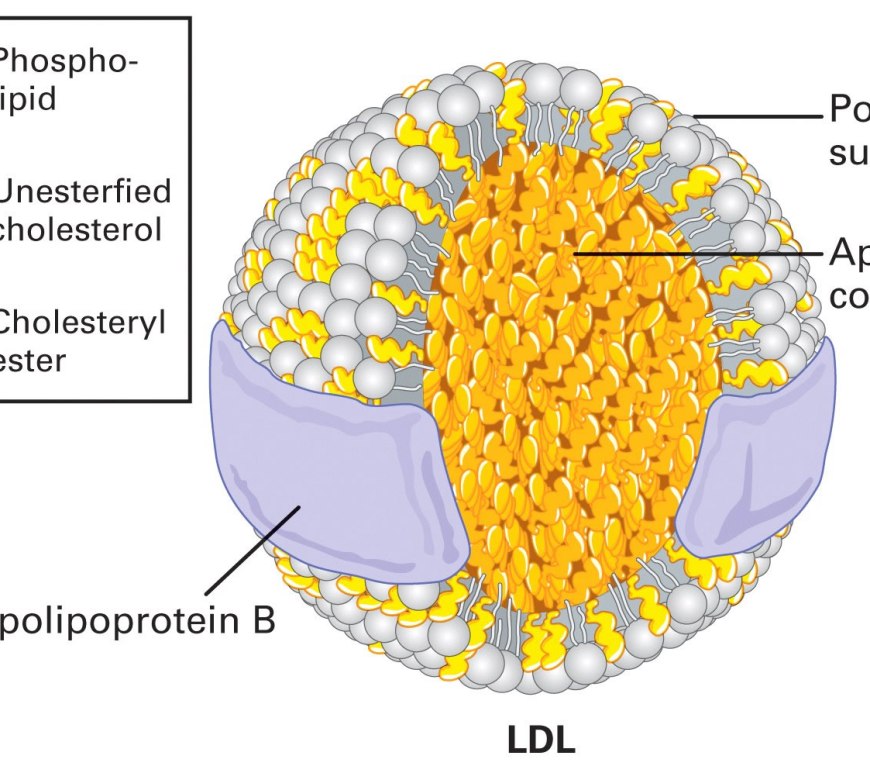
by Sahil Rawal (’19) Cholesterol is a lipid in our body that is necessary for proper functioning. However, low-density lipoproteins, also known as LDLs, are a type of harmful cholesterol that can build up and cause problems in arteries, which can lead to heart attacks or strokes. Although there is an abundance of information about the harmful effects of LDLs, there is an ambiguity of … Continue reading Low-Density Lipoproteins May Affect Cognitive Function

The Environmental Effect of the U.S. Health System

by Lillian Pao (’19) In 2013, the United States spent $3 trillion dollars on its health care system. Hospitals are highly dependent on heating and cooling energy systems, medical and laboratory equipment, sterilization, and more. Due to this dependency on technology, hospitals emit greenhouse gases (GHGs) which can greatly damage public health. Despite this, there has been little effort to try to quantify the consumption-based … Continue reading The Environmental Effect of the U.S. Health System

New Imaging System May Help Remove Tumor Tissue

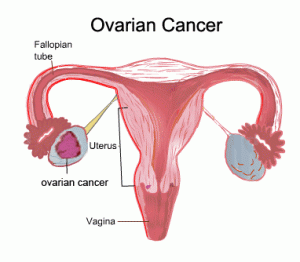
by Sahil Rawal (’19) Ovarian cancer is commonly treated by surgery to remove the tumor, but often, tumor tissue is still left behind after the surery. To remove the extra tumor tissues, surgeons have to go back and manually distinguish between malignant and benign tissue. This difficulty leads to malignant tumor tissue being left in the patient for long periods of time, which is a … Continue reading New Imaging System May Help Remove Tumor Tissue

A New Treatment for Blood Clots

by Sahil Rawal (’19) Blood clots, which prevent oxygen from reaching tissues, are the primary cause of heart attacks and strokes, and consequently lead to an enormous number of deaths each year. However, quick removal of blood clots can help prevent this. Currently, enzymatic formulations are the most efficient ways to treat blood clots, but they have many side effects that could be harmful to … Continue reading A New Treatment for Blood Clots

The Impact of Climate on Crime Rates

by Julia Newman (’19) Previous data has shown that overall levels of aggression increase as you move closer to the equator, with Central America showing a murder rate over twenty people greater than that in European countries, but a definitive reasoning has yet to be found. Scientists have suggested that high temperatures cause increased heart rate and blood pressure leading to anger; others have pointed … Continue reading The Impact of Climate on Crime Rates

A Step Forward in Parkinson’s Disease

by Sahil Rawal (’19) Parkinson’s Disease is a very deadly condition with unknown origins, as scientists have been unable to pinpoint an exact explanation for its occurrence. Previous studies have shown that patients with Parkinson’s lack dopamine-producing cells, which causes attenuation of motor skills. Furthermore, it has been shown that mitochondrial toxicity causes mutations in PINK1 and PARKIN genes in patients with Parkinson’s. However, these … Continue reading A Step Forward in Parkinson’s Disease