







Lymphatic Vessels Can Improve Cognition Relative to Age
Caleb Sooknanan ‘20 Aging is often associated with increased neurological problems among humans, and more research is needed to understand how lymphatic vessels connecting the brain and the immune system affect conditions such as Alzheimer’s disease. Doctor Jonathan Kipnis and researchers from the University of Virginia enhanced the lymphatic vessels of aging mice and significantly improved their abilities to learn and retain memory. The researchers … Continue reading Lymphatic Vessels Can Improve Cognition Relative to Age


Observing Silver Nanoparticles in Real Time
Caleb Sooknanan ‘20 Silver nanoparticle systems are commonly used in medical treatments, food, and sports products for their antibacterial and anti-inflammatory properties; however, more research is needed to understand how such nanoparticles react in biological systems. Doctor Kristina Tschulik and researchers from Ruhr-University Bochum in Germany used a novel combination of electrochemical and spectroscopic methods to observe silver nanoparticle behavior in real time. With these … Continue reading Observing Silver Nanoparticles in Real Time

Experimental Drugs May Reverse Skin and Hair Conditions
Caleb Sooknanan ‘20 Glycosphingolipids or GSLs are specific biomolecules that function within cell membranes to regulate signal transmission and cell-to-cell recognition, but more research is needed to understand their properties. For example, scientists are trying to understand the relationship between GSL consumption and phenotypes associated with an organism’s skin and hair. In a study performed at Johns Hopkins University School of Medicine in Maryland, doctor … Continue reading Experimental Drugs May Reverse Skin and Hair Conditions
Cell Phone Use May Have Negative Consequences
Samara Khan ‘19 According to a recent study by the PEW Research Center, 78 percent of Americans aged 12 to 17 have cell phones. The majority of these individuals spend about 4 to 6 hours on their phones each day. This increased time on cell phones means more exposure to radiofrequency electromagnetic fields, or RT-EMF. Although there have been several studies that have aimed to … Continue reading Cell Phone Use May Have Negative Consequences

Lying is Easier in a Foreign Language
Samara Khan ‘19 As globalization increases, more and more communication is taking place in a language that might be foreign to some of the people in the conversation. Although there has been a lot of research regarding the perceived trustworthiness of people speaking their native and non-native languages, very little exploration has gone towards investigating how people lie in a non-native language. In situations such … Continue reading Lying is Easier in a Foreign Language

Can Common Signs of Aging be Reversed?
Samara Khan ‘19 The process of human aging is generally considered to be inevitable. As we become older, the collagen and elastin in our skin breaks down, causing fine lines and wrinkles to form. Our bodies stop producing melanin, and our hair turns gray and eventually falls out. While there are many cosmetic products that can improve the appearance of sagging skin and thinning hair, … Continue reading Can Common Signs of Aging be Reversed?

Caffeine – An Ineffective Weight-loss Aid
Nita Wong ‘21 The average American consumes eight ounces of coffee on a daily basis. Caffeine, the active ingredient in coffee, has been rumoured to stimulate the release of brain chemicals that suppress appetite and facilitate weight loss by increasing metabolic rate. A recent study conducted by the Department of Exercise and Nutrition Sciences at the SUNY University of Buffalo, however, suggests otherwise. Under the … Continue reading Caffeine – An Ineffective Weight-loss Aid
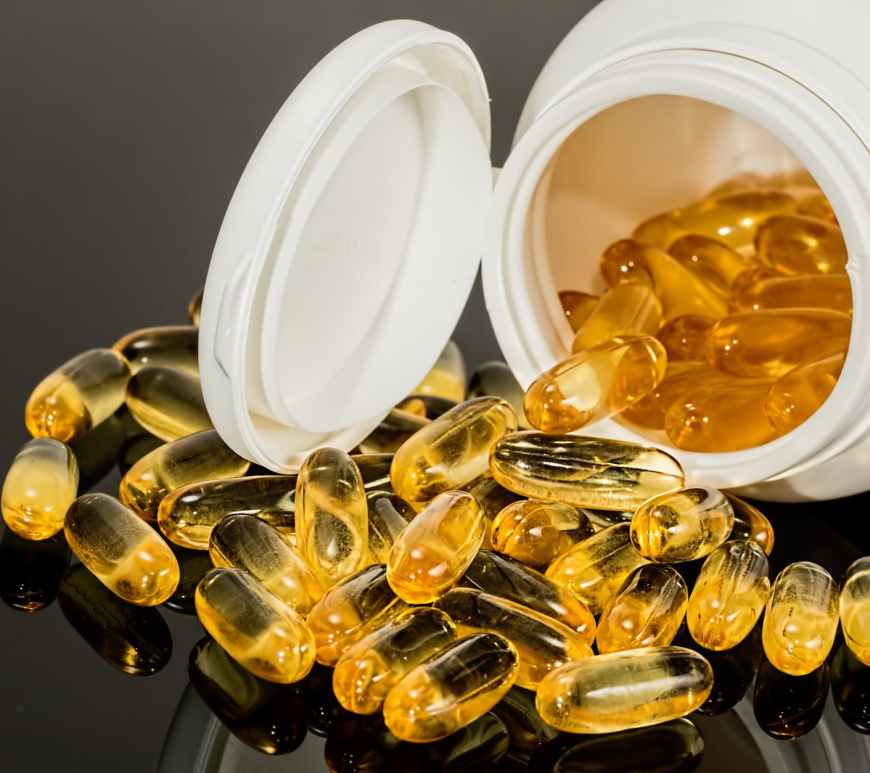
Omega 3 Supplements May Not Reduce Risk of Cardiovascular Disease
Nita Wong ‘21 The consumption of omega 3 fats is commonly believed to protect against heart disease by reducing blood pressure or cholesterol levels. Although the three main types of fatty acids that comprise Omega 3 fats are readily found in the foods we eat. For example, alphalinolenic acid (ALA) is found in many nuts and seeds and both eicosapentaenoic acid (EPA) and docosahexaenoic acid … Continue reading Omega 3 Supplements May Not Reduce Risk of Cardiovascular Disease

Consumption of Artificially Sweetened Beverages Linked to Lower Risk of Colon Cancer
Nita Wong ‘21 While the consumption of low- and no-calorie soft drinks has long been associated with a number of diseases including obesity and diabetes, such purported health risks have yet to be scientifically or clinically documented. In fact, a recent study conducted at Yale University’s Cancer Center has shown that such artificially sweetened products actually help colon cancer survivors avoid cancer recurrence and death. … Continue reading Consumption of Artificially Sweetened Beverages Linked to Lower Risk of Colon Cancer

A Case Study Examining the Effectiveness of Ginkgo Biloba in Treating Cognitive Impairment in Schizophrenic Individuals
Stephanie Budhan ‘21 Schizophrenia is a chronic mental disorder that affects an individual’s thoughts, feelings, and behaviors, and causes the individual to gradually deteriorate over time. Doctors often overlook cognitive impairment within schizophrenic individuals. There is no proven treatment option, but this has led psychiatrists to provide medications with the cognitive aspect in mind; Currently, medications that contain compounds to improve mitochondrial functioning, have anti-oxidant … Continue reading A Case Study Examining the Effectiveness of Ginkgo Biloba in Treating Cognitive Impairment in Schizophrenic Individuals

Nanoremediation as A New Method of Treating Water Contamination
Stephanie Budhan ‘21 Water contamination occurs when waste material is deposited into a body of water and is not removed, leading to environmental degradation over the long term. Clean water is necessary for both humans and animals. Nurturing crops with contaminated water can cause the spread of waterborne illnesses among the population. Likewise, it is not healthy to breed animals with contaminated water as it … Continue reading Nanoremediation as A New Method of Treating Water Contamination

The Correlation Between Smartphone Use and Development of Depression.
Stephanie Budhan ‘21 Smartphone addiction refers to the excessive use of one’s smartphone while engaged in other activities such as studying, driving, and social gatherings, and this can have a negative long- term impact of an individual’s thoughts and behaviors. More specifically, excessive smartphone use is considered a risk factor for the development of depression and anxiety disorders. Females are more likely than males to … Continue reading The Correlation Between Smartphone Use and Development of Depression.
 Young Investigators Review