






Electric Fields Can Recover Fresh Water from Fog
By Caleb Sooknanan ‘20 Over 1 billion people lack access to safe drinking water worldwide, and for many coastal regions with little or no rain and expensive water transportation measures, water only appears in dense fog layers. Fog collection or fog harvesting techniques have become useful for extracting water from these regions, with some systems mimicking natural collection mechanisms within animals and plants. Most fog … Continue reading Electric Fields Can Recover Fresh Water from Fog


The Use of Sugar Glass Scaffolds for 3D Printing
By Caleb Sooknanan ‘20 Three-dimensional (3D) printing — a form of additive manufacturing — involves the joining and solidification of material to create objects from computer files. Glasses made of sugars or carbohydrates have become practical materials for printing more complex structures, such as organs, because of their stiffness and durability. These sugar glass materials can be positioned in layers or freeform paths that utilize … Continue reading The Use of Sugar Glass Scaffolds for 3D Printing

Harmful Effects Found in a Common Household Additive
By Anna Tarasova‘19 Triclosan (TCS) is an antimicrobial chemical frequently used in household products, including toothpastes, soaps, and toys. Because it is so common, the overwhelming majority of the population comes into contact with it almost every day. The National Health and Nutrition Examination Survey found TCS in approximately 75% of urine samples of individuals tested in the United States. TCS is also among the … Continue reading Harmful Effects Found in a Common Household Additive

Determining the History of the Earth’s Orbit
By Anna Tarasova‘19 Milankovitch cycles are an established part of geological theory that describes the long-term effects of changes in the movements of the Earth on its climate. Specifically, these cycles describe the relative positions of planetary bodies and the resulting exposure of the Earth to sunlight. However, Milankovitch cycles are only reliable in describing climate change over limited time periods within the last 50 … Continue reading Determining the History of the Earth’s Orbit
First Human Trial of Stem Cell Therapy for Chronic Spinal Cord Injury
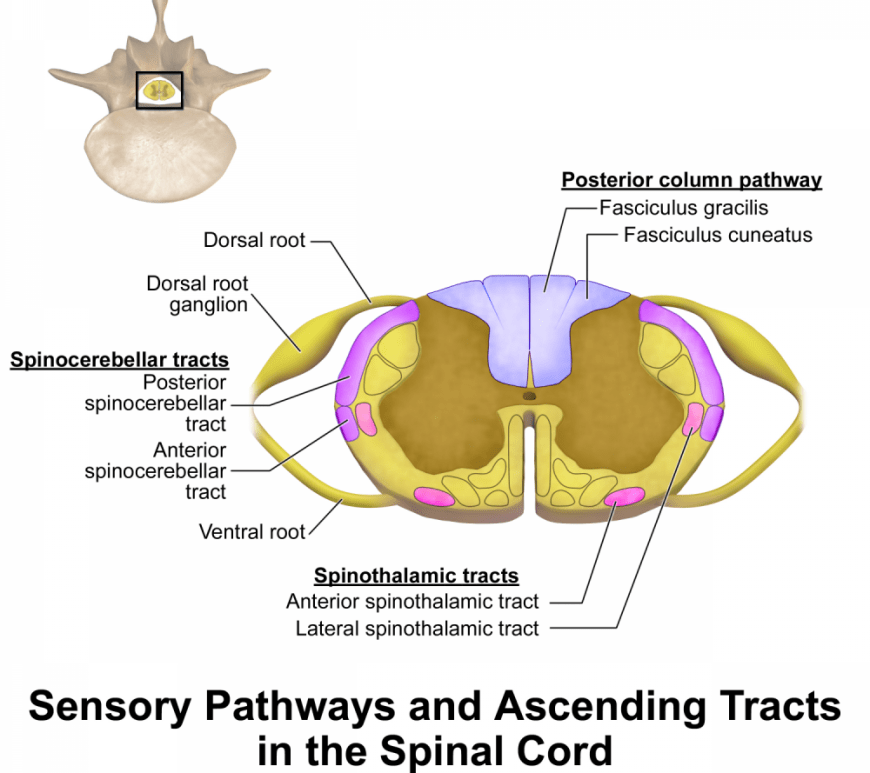
By Anna Tarasova‘19 The therapeutic potential of stem cells has been widely examined by many researchers for more than two decades. Neurodegenerative damage is one of the areas in which the use of multipotent neural precursors (NPCs) has proven particularly useful. Although the use of human-derived NPCs in treating chronic spinal cord injury (SCI) has only been examined in animal models, Phase I and II … Continue reading First Human Trial of Stem Cell Therapy for Chronic Spinal Cord Injury

Mobilizing Courts in the Fight Against Climate Change
By Meenu Johnkutty ‘21 Attempts to amend national attitudes towards climate change have been at the forefront of the climate change movement. The recent movement to involve the national court system may prove effective in mitigating the future effects of climate change, especially in regard to coal pollution and the risk it poses to public health. A study conducted by Dr. Sabrina McCormick from George … Continue reading Mobilizing Courts in the Fight Against Climate Change

Understanding the “Matthew Effect”
By Meenu Johnkutty ‘21 The most decorated and well-known scientists of our time may share an underlying characteristic: early career success. For those striving for prestige and world renown, achieving success early in one’s career may breed an environment conducive to further success. Thus, scientists who boast the same academic credentials, work ethic, and drive may find themselves outperformed by counterparts who achieved early career … Continue reading Understanding the “Matthew Effect”

Consuming Dark Chocolate Linked to Stress Reduction and Inflammation
By Meenu Johnkutty ‘21 There may be new incentive to indulge in your chocolate cravings! Though many studies have explored the benefits of consuming dark chocolate, a recent study at the Loma Linda University Adventist Health Sciences Center is the first to analyze the benefits of consuming specific quantities of particular types of dark chocolate. The study, led by Dr. Berk, the associate dean of … Continue reading Consuming Dark Chocolate Linked to Stress Reduction and Inflammation

Fish and Legumes Could Delay Menopause
By Marcia-Ruth Ndege ‘21 Research suggests that menopause is predetermined by an individual’s genes, environmental factors, behavior, and diet. Yashvee Dunneram, an expert in nutrition and dietetics at the University of Leeds’ School of Food Science and Nutrition, led a study researching the effect of food on menopause. To perform this study, researchers gathered a sample of 35,000 women between the ages of 35 and … Continue reading Fish and Legumes Could Delay Menopause
How Artificial Intelligence Can Help Prevent School Violence
By Marcia-Ruth Ndege ‘21 In recent years, school violence has increased at an alarming rate. In a recent study, Dr. Drew Barzman, a child forensic psychiatrist at Cincinnati Children’s Hospital Medical Center (CCHMC), proposes the utilization of artificial intelligence (AI) as a predictor of how likely students are to perform violent acts while at school. To perform this study, Barzman and his team recruited 103 … Continue reading How Artificial Intelligence Can Help Prevent School Violence
Scientists Are Growing Human Brains in Mice
By Marcia-Ruth Ndege ‘21 Human pluripotent stem cells can differentiate into nearly any cell in the human body. Recently, geneticist Abed AlFatah Mansour and other scientists from the Salk Institute for Biological Studies used them to build human brains in mice. The differentiation of human pluripotent stem cells gave rise to small brain-like structures known as brain organoids about the size of a lentil. Researchers … Continue reading Scientists Are Growing Human Brains in Mice

Student Researcher Interview with Dan Monessa
Interviewer: Benjamin Kerner Interviewed: Dan Monessa B: The first question is really just for the record, so what is your name, major, and what is your department of research? D: Sure, my name is Dan Monessa, I am a biochemistry major and the department of research I was in, was the department of Gastroenterology and Hepatology within Stony Brook Medicine. B: Great, so what specific … Continue reading Student Researcher Interview with Dan Monessa
 Young Investigators Review