
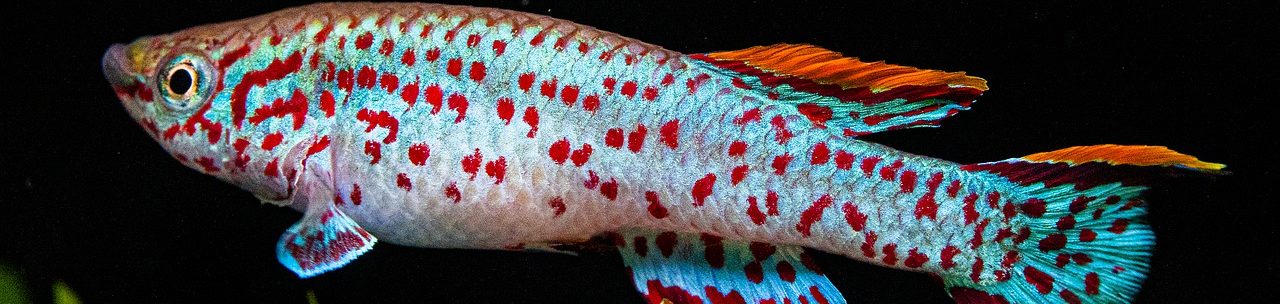





Effects of Clock-Shifting Wild Seabirds
By Fatin Chowdhury ‘19 Humans have been curious about animal navigation for millennia, but the strategies and adaptations used by non-human organisms to travel are still unknown. Oliver Padget, a doctoral student at Oxford University in England, recently published findings that examined the impact of solar orientation on pelagic seabird navigation patterns. The study suggested that by using the sun as a compass, animals can … Continue reading Effects of Clock-Shifting Wild Seabirds


Using Stars to Find Dark Matter
Neomi Lewis ‘21 Astronomers and cosmologists continue the elusive search to understand the nature and existence of dark matter, a substance that is believed to be pervasive throughout the universe, including near our own planet. An international group of astrophysicists have published work in the journal Physical Review Letters this January that suggests that we may be able to better decipher the speed of dark … Continue reading Using Stars to Find Dark Matter

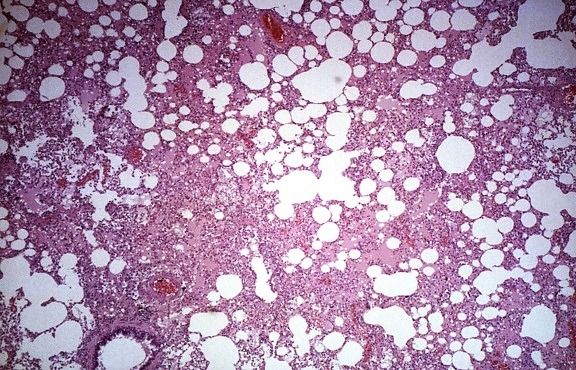
Diagnosing Necrotizing Soft Tissue Infections via CT Scans
By Fatin Chowdhury ‘19 Imaging technology has become more useful for preventing surgery and aiding in its success. Technologies such as CT (computed tomography) scans have expanded the breadth of diagnostic methodologies available to physicians. Dr. Myriam Martinez in Boston, Massachusetts, sought to pinpoint the usefulness of CT technology in allowing for necrotizing soft infections (NSTI) diagnoses. The researchers found that NSTIs could be examined … Continue reading Diagnosing Necrotizing Soft Tissue Infections via CT Scans

Genomic Analysis of Antibiotic Resistant Bacteria
Gene Yang ‘19 Methicillin-resistant Staphylococcus aureus, also known as MRSA, is an antibiotic-resistant bacteria that infects approximately 90,000 people in the United States each year. This bacteria’s resistance to many common drugs, including penicillin, makes it a rising public health care threat, yet our understanding of MRSA at the genetic level is limited. In order to bridge this gap, scientists at the University of San … Continue reading Genomic Analysis of Antibiotic Resistant Bacteria

Dandelions, Tulips, and Orchids: A Flower Metaphor for Human Sensitivity
By Maryna Mullerman ‘20 In humans, various responsiveness to external stimuli has been attributed to individual differences. Leading human environmental sensitivity theories suggest that heightened sensitivity to negative environmental influences correlates with elevated tendency to benefit from positive environmental influences. The novel orchid-dandelion metaphor describes more sensitive individuals as orchids and less sensitive individuals as dandelions. Francesca Lionetti and researchers from the Queen Mary University … Continue reading Dandelions, Tulips, and Orchids: A Flower Metaphor for Human Sensitivity

Viral Gene Therapy Protects Tissue from Radiation
Gene Yang ‘19 Lentiviruses are a group of virus that cause deadly diseases, but these same viruses can be modified into harmless versions used in gene therapy, where the virus is used to transport a desired gene into an organism. Using this technique, scientists from The Institute of Cancer Research in London modified lentiviruses to deliver two genes into the tissue cells of rats. The … Continue reading Viral Gene Therapy Protects Tissue from Radiation

Biological and Cultural Co-Evolution: The Takeover of Specialists
By Maryna Mullerman ‘20 A conventional view that humans acquired language skills solely through biological evolution was challenged by Bart de Boer and Bill Thompson, researchers from the Max Planck Institute for Psycholinguistics in the Netherlands. Their study proposed a mathematical model in which biology and culture played important roles in language acquisition within finite populations. This alternative view argued that biological adaptation changes varied … Continue reading Biological and Cultural Co-Evolution: The Takeover of Specialists
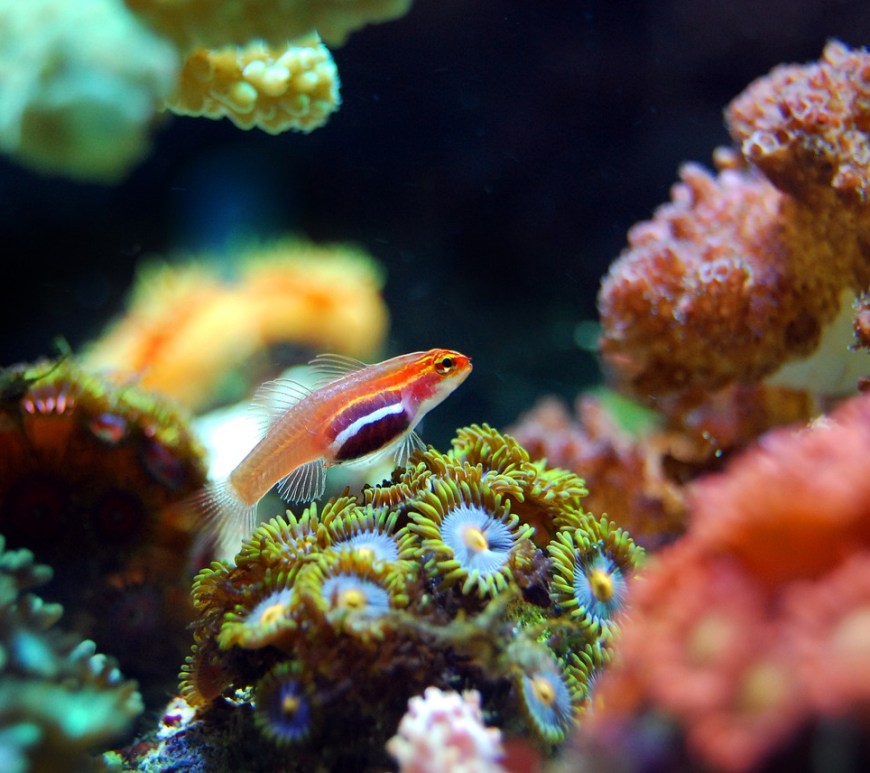
As Plastic Spreads, Diseased Coral Reefs Follow
Gene Yang ‘19 275 million people rely on coral reefs for food, coastal protection, and income from tourism. However, as plastic waste continues to spread throughout the ocean, it transmits disease to these same coral reefs. In the first large-scale study to evaluate this impact of plastic on corals, Dr. Joleah Lamb’s team from Cornell University along with other research teams and institutions surveyed 124,884 … Continue reading As Plastic Spreads, Diseased Coral Reefs Follow
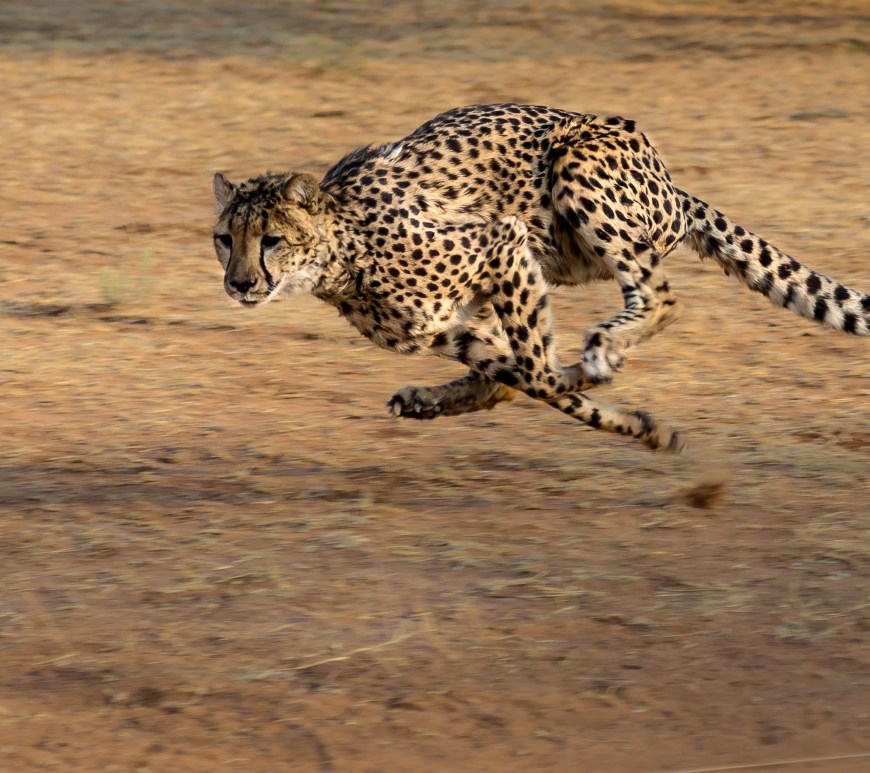
An Evolutionary Arms Race: Speed and Hunting in The African Savannah
By Maryna Mullerman ’20 Prey must run faster than predators to avoid getting killed, while predators must overwhelm prey to avoid starving. There have been numerous studies published on predator-prey relationships, but little research has analyzed high-speed savannah animal locomotion. Alan M. Wilson and researchers from the Royal Veterinary College at the University of London aimed to analyze the locomotor characteristics in two predator-prey pairs: … Continue reading An Evolutionary Arms Race: Speed and Hunting in The African Savannah
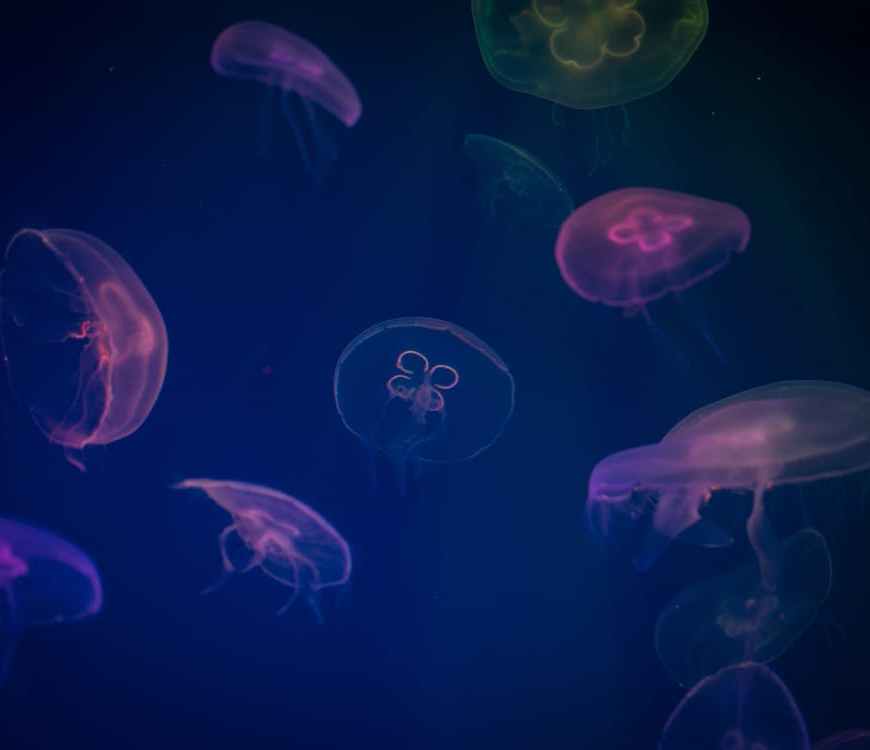
How This Tiny Robot Plans to Change the Future of Medicine
By Marcia-Ruth Ndege ‘21 Some of the greatest discoveries in medicine have been driven by the advancement of technology. A group of scientists at the Max Planck Institute of Intelligent Systems, lead by Professor Metin Sitti, is hoping to contribute to such progress with their newly designed mili-robot. The robot is four millimeters in length, as flat as a piece of paper, and made of … Continue reading How This Tiny Robot Plans to Change the Future of Medicine

Fungi’s Role in the Development of Self-Healing Concrete
By Marcia-Ruth Ndege ‘21 While concrete is the world’s most frequently used construction material, it is known to deteriorate quickly under the stress of daily physical and chemical processes. Concrete shrinks in the summer and cracks during the winter, and these cracks allow water to seep into underground steel reinforcement bars, resulting in corrosion. Professor Congrui Jin, an Assistant Professor of Mechanical Engineering at Binghamton … Continue reading Fungi’s Role in the Development of Self-Healing Concrete
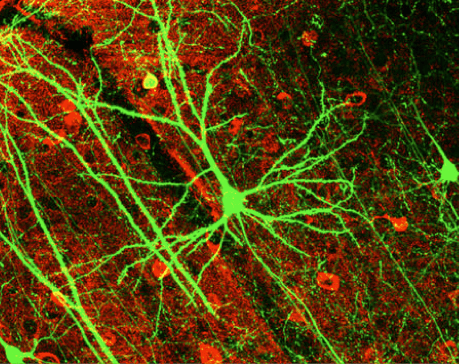
Disease Development Modelled by Induced Pluripotent Cells in 3D Brain Structures
By Marcia-Ruth Ndege ‘21 The rise of three-dimensional brain structures is improving and personalizing medicine by allowing neuroscientists to closely examine the intricacies of the brain. This promising approach is centered around obtaining region-specific 3D brain cultures from individuals and assembling circuits and pathways in the samples. Sergiu Pasca, an assistant professor of Psychiatry and Behavioral Sciences at Stanford Center for Sleep Sciences and Medicine, … Continue reading Disease Development Modelled by Induced Pluripotent Cells in 3D Brain Structures
 Young Investigators Review