







The Microbiome’s Influence on Immunotherapy
By: Gene Yang ‘19 When it was discovered that cancer cells with the protein PD-L1 avoid detection by the immune system, clinical trials involving PD-L1-targeted drugs emerged. These drugs, part of a class known as immune checkpoint inhibitors, block the interaction between the cancer cells’ PD-L1 protein and the immune system’s T cells, which then allows the immune system to detect and attack the tumor. … Continue reading The Microbiome’s Influence on Immunotherapy

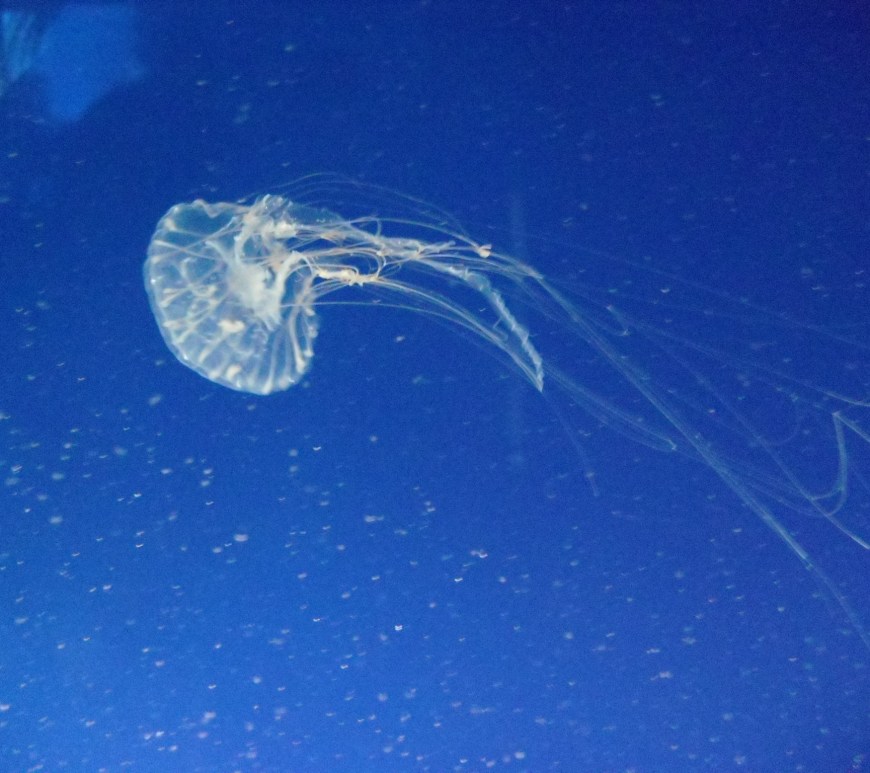
Evolution of the Nervous System: Independent or Conserved?
By: Gene Yang ‘19 The question of whether the central nervous system evolved once or multiple times is a subject of much study and debate. Humans and other animals with bilateral symmetry, all of which possess central nervous systems, are known to have descended from a common ancestor. In the past, it was believed that the central nervous system evolved just once in our bilateral … Continue reading Evolution of the Nervous System: Independent or Conserved?

What Masculinity Has to do With the Environment
By Marcia-Ruth Ndege ‘21 Trends throughout the years have underlined the fact that women tend to be more eco-friendly than their male counterparts. This trend has long been attributed to personality differences between the two sexes. Through a series of various psychological experiments, Dr. Aaron Brough and his team explore the role of masculinity in the commitment to make eco-friendly decisions. Brough and his team … Continue reading What Masculinity Has to do With the Environment
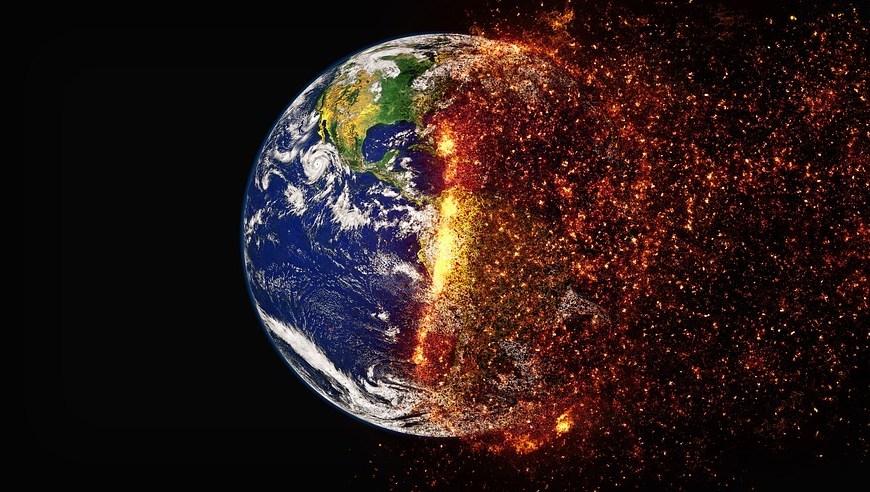
Weight of Rising Sea Levels Causes Ocean Floor to Sink
By Marcia-Ruth Ndege ’21 Over the past few decades, global climate change has become a widely debated issue. Its believability, however, is no longer relevant as we are living through its effects across the globe; whether it be through melting glaciers in the Arctic, droughts and wildfires in California, or decreased rainfall in Ethiopia, the effects of climate change are prominent and devastating. A new … Continue reading Weight of Rising Sea Levels Causes Ocean Floor to Sink

Brain Cells Live and Die in the Process of Learning
By Marcia-Ruth Ndege ’21 For over a century, researchers have pondered the question of how the brain intakes, processes, and retains new information. Researcher Elisabeth Wenger and her team at the Max Plank Institute for Human Development in Berlin, Germany probed deeper into this process by examining the volumetric changes in human grey matter and linking them to the process of skill acquisition in humans. … Continue reading Brain Cells Live and Die in the Process of Learning

New Therapy for Hallucination Caused by Psychotic Disorders
By Meghan Bialt-DeCelie ‘19 Sixty to seventy percent of schizophrenic patients and twenty-five percent of patients diagnosed with psychotic disorders struggle with both visual and auditory hallucinations. Drug and long-term cognitive therapies have been developed to conquer this, but they are often ineffective or only effective for a very select group of patients. Researchers led by Dr. Tom KJ Craig tested the effectiveness of a … Continue reading New Therapy for Hallucination Caused by Psychotic Disorders
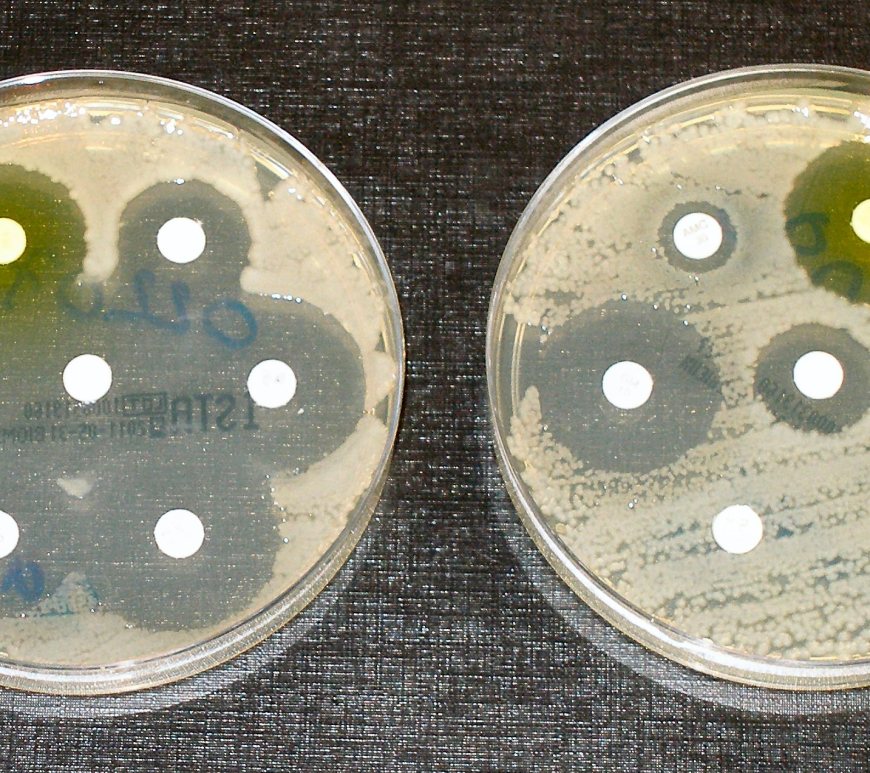
Stopping the Transfer of Antibiotic Resistant Genes
By Meghan Bialt-DeCelie ‘19 The overuse of antibiotics is causing rapid increase in antibiotic resistant bacteria. Through a type IV secretion system, bacteria that aren’t killed by the antibiotics share their antibiotic resistant genes with other bacterial cells via bacterial conjugation. Researchers have been looking for a way to slow down the growing resistance. A study led by Dr. Bastien Casu from Université de Montréal … Continue reading Stopping the Transfer of Antibiotic Resistant Genes

New Species of Finch Developed After Three Generations
By Meghan Bialt-DeCelie ‘19 Darwin’s finches from the Galapagos Islands are one of the hallmarks of the scientific field of evolution studies. Species classification between two organisms is determined by the ability to successfully reproduce a nonsterile progeny. Several factors such as physical, behavioral, and biological differences can cause reproductive isolation, or prevention of two organisms from reproducing. Reproductive isolation can cause speciation, or the … Continue reading New Species of Finch Developed After Three Generations

Facial Expressions Of Humans And Dogs Are Not The Same
By Maryna Mullerman ’20 Mammalian facial expressions are known to correlate with animals’ internal states. Substantial similarities have been previously identified between chimpanzees and humans, but facial expression similarities between more distant mammalian species is unknown. Caeiro Cátia and researchers from the University of Lincoln in the United Kingdom investigated whether domestic dogs produced certain facial expressions in response to different external emotional stimuli. Furthermore, … Continue reading Facial Expressions Of Humans And Dogs Are Not The Same

The Effects Of Implicit Racial Bias On Hand Ownership Experience
By Maryna Mullerman ’20 Rubber hand visual-tactile illusion (RHI) experiments involve multisensory exposure, allowing participants to experience ownership over realistic rubber hands. Precise stimulation technique and positioning induce people to believe that a rubber hand is an integral part of their body. Marilia Lira and researchers from the Mackenzie Presbyterian University in Brazil investigated skin color’s effects on the time to onset of RHI in … Continue reading The Effects Of Implicit Racial Bias On Hand Ownership Experience

Student Researcher Interview with Amna Haider
Interviewer: Benjamin Kerner Interviewed: Amna Haider B: So, to start, what’s your name, major, and department? A: Right, so my name is Amna Haider. I am in the biomedical engineering department and I am a biomedical engineering major, with a chemistry minor. B: Alright so how did you get into research, and what inspired you to do so? A: So, I got into research … Continue reading Student Researcher Interview with Amna Haider

Age Is No Barrier For Academic Success
By Maryna Mullerman ’20 Many studies have explored academic success predictors in young adults. In recent years, however, more people over the age of 60 have undertaken university educations. Abbie-Rose Imlach and researchers from the University of Tasmania in Australia hoped to identify cognitive, psychological, social, and genetic factors that influenced academic performance in older adults. The researchers hypothesized that factors such as genetic polymorphism, … Continue reading Age Is No Barrier For Academic Success
 Young Investigators Review