
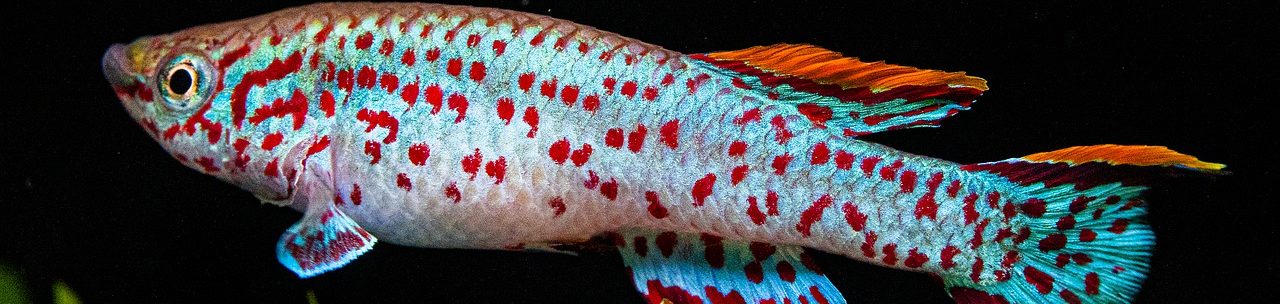






High Intensity Exercise Stimulates Memory
By Meenu Johnkutty ‘21 New research suggests that the long-term effects of high intensity exercise may prove to be more beneficial than previously thought. Many studies have demonstrated that aerobic exercise improves the structure and function of the hippocampus, the region of the brain responsible for learning and memory. Scientists posit that neurotrophic factors like insulin growth factor (IGF) and brain-derived neurotrophic factor (BDNF) are … Continue reading High Intensity Exercise Stimulates Memory


Positive Feedback Loop Implicated in Methane Emissions from Aquatic Environments
By Meenu Johnkutty ‘21 Scientists have long forewarned of the detrimental effects of climate change on the planet. Rising global temperatures coupled with the lack of due diligence in handling the environmental crisis have scores of ecologists worried about the many fragile ecosystems on the brink of a biodiversity crisis. A recent study conducted by researchers from Radboud University Nijmegen in the Netherlands provides new … Continue reading Positive Feedback Loop Implicated in Methane Emissions from Aquatic Environments

The Role of Oxytocin in Dogs’ Emotional Responses to Human Facial Expressions
By Meenu Johnkutty ‘21 Dogs are our friendly companions, our trusted partners in crime, and our constant cuddle buddies. Past studies have found that our facial expressions significantly affect dogs’ emotional responses, and that the “affection hormone” oxytocin is crucial in dogs’ regulation of social behavior and emotions. In a recent study, Finnish researchers at the University of Helsinki chose to research the effects of … Continue reading The Role of Oxytocin in Dogs’ Emotional Responses to Human Facial Expressions
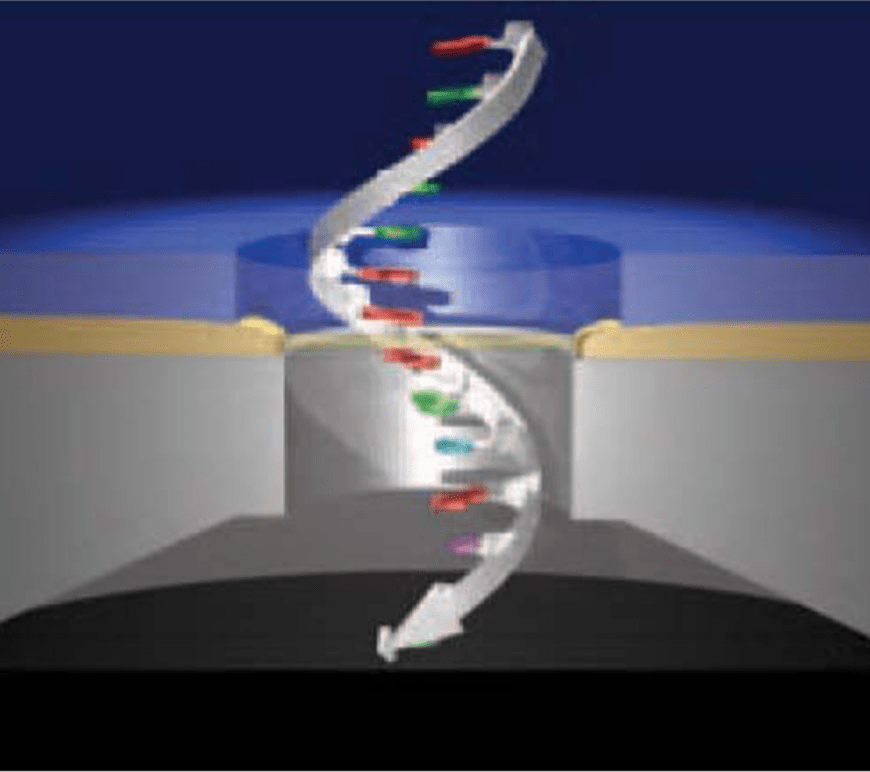
Finding Conductive Proteins Using Scanning Tunnel Microscopy
By Meghan Bialt-DeCelie ’19 Single molecule detection techniques are used to understand the behaviors of a specific biological molecule and have applications in medical and pharmacological research. This can be critical for understanding how an individual biological molecule, such as a specific protein, functions, as well as its role in a biological pathway. Researchers led by Stuart Lindsay, PhD from Arizona State University found high … Continue reading Finding Conductive Proteins Using Scanning Tunnel Microscopy

Using Nanotechnology to Reduce Glare on Screens
By Meghan Bialt-DeCelie ‘19 Displays of all commonly used electronics such as smartphones, televisions, and laptops all suffer from glare on their glass surfaces. Glass and clear plastics are transparent, but they are still visible due to a small amount of reflection of light caused by the difference between the refractive index of the surface and the rest of the material. Antireflective coating and screens … Continue reading Using Nanotechnology to Reduce Glare on Screens

Electrical Stimulation Improves Memory in Epileptic Patients
By Meghan Bialt-DeCelie ‘19 For many animals and humans, a major region of the brain involved in memory formation is the hippocampus. Learning and memory is done through a neural process called long-term potentiation (LTP), and past research has shown that electric stimulation to the hippocampus can promote this process. Researchers led by Ali Titiz, PhD from The University of California Los Angeles found a … Continue reading Electrical Stimulation Improves Memory in Epileptic Patients

Daydreaming – A Possible Sign of Brain Efficiency
By Nita Wong ’21 In today’s fast-paced society, daydreaming carries a negative connotation. Whether it be in class or during a work meeting, a wandering mind is not considered a positive trait. Recent research, however, suggests that daydreaming may denote superior brain efficiency and capacity. A study led by Christine Godwin and Eric Schumacher of the Georgia Institute of Technology’s School of Psychology examined the … Continue reading Daydreaming – A Possible Sign of Brain Efficiency

The Selfish Brain: A Trade-off Between Cognitive And Physical Performance in Humans
By Maryna Mullerman ’20 The brain metabolizes more glucose — a simple and widely accessible sugar — than any other organ in the human body. Daniel Longman and researchers from the University of Cambridge in the United Kingdom explored the trade-off involving the brain and muscles, or physical performance, in people. The study investigated how mental and physical activities are affected when they are performed … Continue reading The Selfish Brain: A Trade-off Between Cognitive And Physical Performance in Humans

Running on Caffeine
By Maryna Mullerman ’20 Caffeine is a stimulant often found in coffee, energy drinks, and medicine. Many researchers have analyzed its physiological effects, but caffeine’s impact on post-exercise recovery is not widely understood. Doctor Luana Almeida Gonzaga and researchers from São Paulo State University in Brazil conducted a study focusing on cardiovascular parameters, such as heart rate (HR), blood pressure (BP), respiratory rate (RR), and … Continue reading Running on Caffeine

Sex Differences Affect Light Perception And Sleep
By Maryna Mullerman ’20 Artificial light and technology have been known to affect human sleep patterns. Scientists think that the circadian clock — physiological 24-hour cycle — might shift in the future. Sarah L. Chellappa and researchers from Harvard Medical School aimed to understand how chronic exposure to light at night affects human health and behavior. They explored how differences in light sensitivity between sexes … Continue reading Sex Differences Affect Light Perception And Sleep
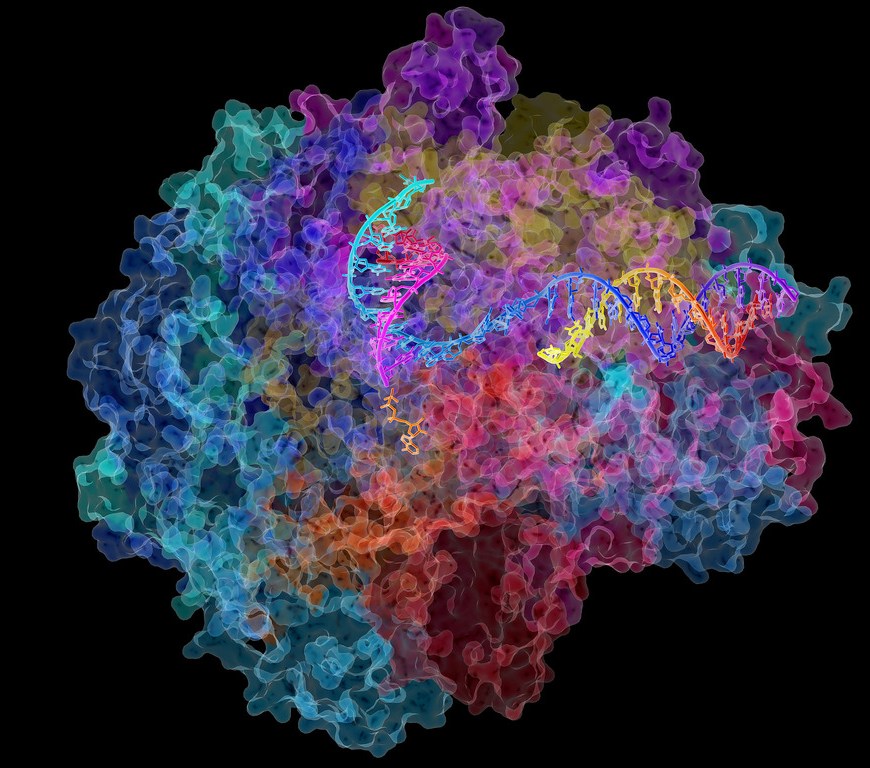
Circular RNAs Have Protein Coding Potential
Gene Yang ‘19 Although the RNA molecules involved in protein synthesis have been extensively studied, other novel types of RNA are still relatively unknown and continue being researched. One such novel type of RNA is circular RNA (circRNA), an endogenous and diverse class of molecules that is present in most eukaryotic cells. Circular RNAs are created from the splicing of pre-mRNA molecules as they form … Continue reading Circular RNAs Have Protein Coding Potential

Predicting Flu With Mobility Behaviors
Gene Yang ‘19 In the mathematical modeling of infectious disease, determining the mobility of infectious diseases as well as the mobility patterns of individuals in a population is crucial to predicting the spatial and temporal diffusion of such illnesses. Researchers from the University of Trento gathered two types of data, mobility data and self-reported health data, to construct and validate a model that predicts the … Continue reading Predicting Flu With Mobility Behaviors
 Young Investigators Review