







Poison Frogs: Evolution of Epibatidine Resistance
Gene Yang ‘19 Animals that use toxins as anti-predator defense usually evolve a method of resistance, often at a high physiological cost, to prevent self-intoxication. Poisonous frogs, a broad polyphyletic group within the order Anura, often use one such method known as target site insensitivity, which is the alteration of the molecular target of the toxin to disallow the toxin from binding. Researchers from University … Continue reading Poison Frogs: Evolution of Epibatidine Resistance


An Alternative Method to Understanding Nucleus Structure and Gene Expression
Gene Yang ‘19 Rapid growth of DNA sequencing technology in recent years has led to a wealth of data and the ability to easily identify genes and regulatory regions. However, our understanding of gene expression control, especially through long distances of several kilobases or megabases, remains limited. As a result, the 4D Nucleome Project, an ongoing research initiative funded by the National Institutes of Health … Continue reading An Alternative Method to Understanding Nucleus Structure and Gene Expression

Free-Living Blind Bird Population Observed for the First Time
Gene Yang ‘19 Researchers of UC Davis School of Veterinary Medicine, in collaboration with New Zealand ornithologists, have observed multiple blind, healthy birds existing in a free-living avian population. These organisms from the genus Apteryx, commonly known as kiwis, are flightless birds native to New Zealand. Although kiwis are predominantly nocturnal, unlike most nocturnal bird species, they do not possess the notable characteristics in their … Continue reading Free-Living Blind Bird Population Observed for the First Time
Reduced Insulin Levels Can Prolong Neuron Longevity
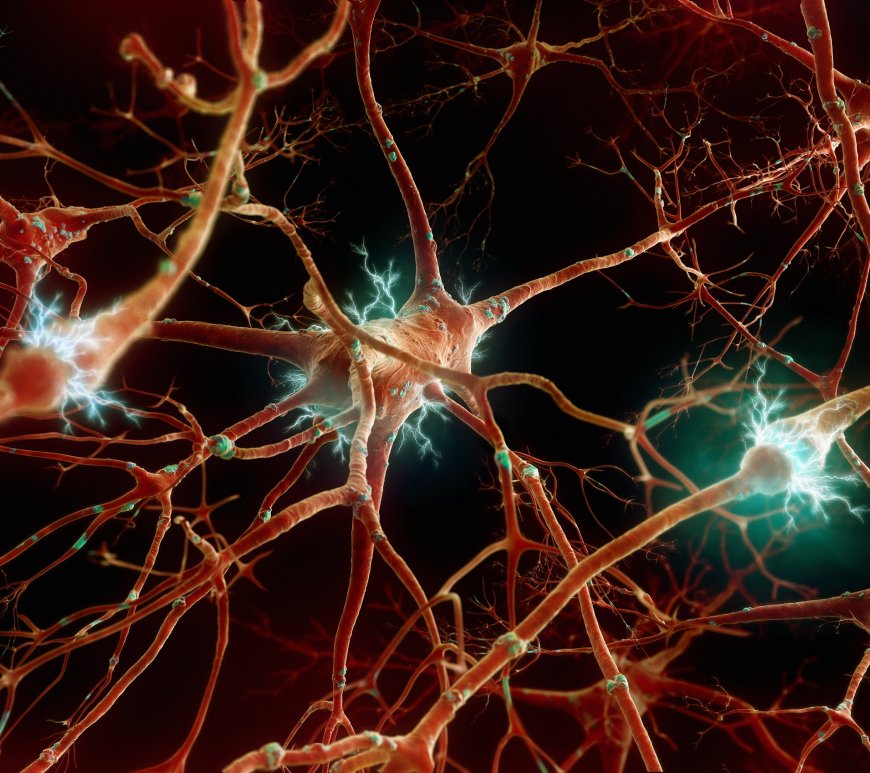
By Maryna Mullerman ’20 Reduced insulin-like signaling (IIS) can lead to diabetes and damage of neuronal function in metabolism. However, chronically lowered insulin/insulin-like growth factor (IGF) may improve neurodegenerative disease defects. Hrvoje Augustin and researchers at University College London analyzed the escape response mechanism of the fly Drosophila melanogaster and the effects of genetically weakened insulin signaling on this model. This was done to explore … Continue reading Reduced Insulin Levels Can Prolong Neuron Longevity

What Affects Human Viability?
By Maryna Mullerman ’20 Human viability is the survival of individuals after birth, and more research is needed to understand how associated genetic factors affect human survival and life expectancy. Dr. Hakhamanesh Mostafavi and researchers at Columbia University in New York developed a method to recognize genetic variants that influence human survival. The proposed method would provide information about human fitness in the environment and … Continue reading What Affects Human Viability?
The Role of Plant RNA in Honeybee Caste Development and Evolution
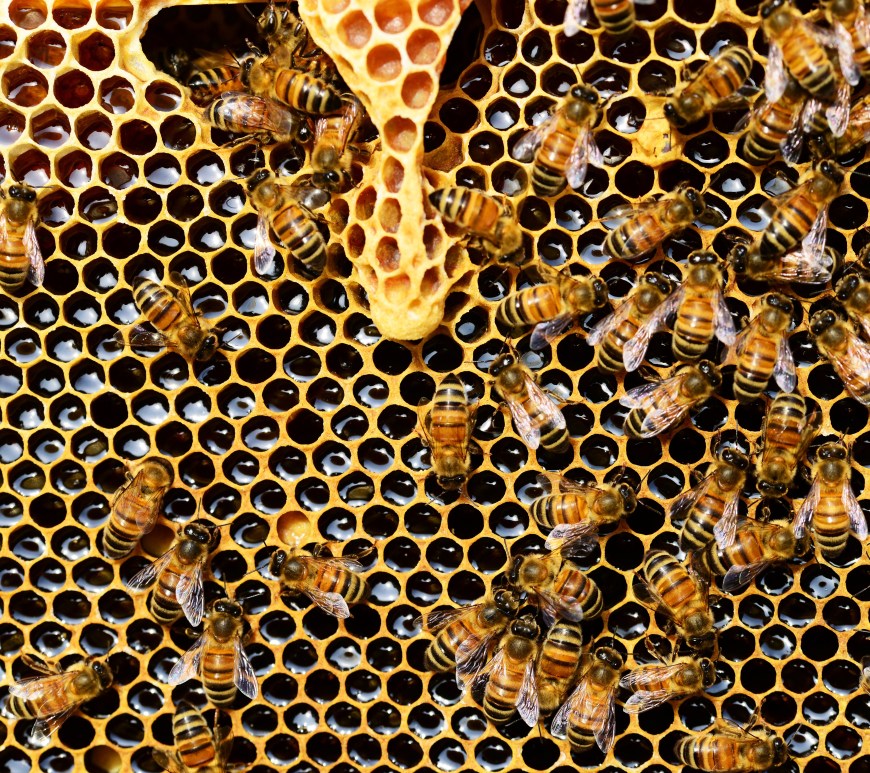
By Maryna Mullerman ’20 Doctor Kegan Zhu and researchers from Nanjing University in China investigated the effects of plant microRNAs (miRNAs) on larval development and differentiation in honeybees. The study’s results provide another approach to the understanding of co-evolution of different species and cross-kingdom interactions. The researchers hypothesized that miRNAs from different sources affected larval development. They recognized that plant miRNAs could be ingested by … Continue reading The Role of Plant RNA in Honeybee Caste Development and Evolution

The Effect of Expressive Writing on Brain Activity in Chronic Worriers
By Meenu Johnkutty ’21 Chronic worriers may have one less reason to worry. A research study conducted by Michigan State University recently revealed positive effects of expressive writing, or writing down one’s deepest worries and fears, on brain activity in worriers. In order to observe whether a correlation exists between expressive writing and chronic worrying, MSU researchers relied upon measurements of error-related negativity (ERN). ERN … Continue reading The Effect of Expressive Writing on Brain Activity in Chronic Worriers
Using Biointelligence to Combat the Effects of Climate Change on Coffee Agriculture
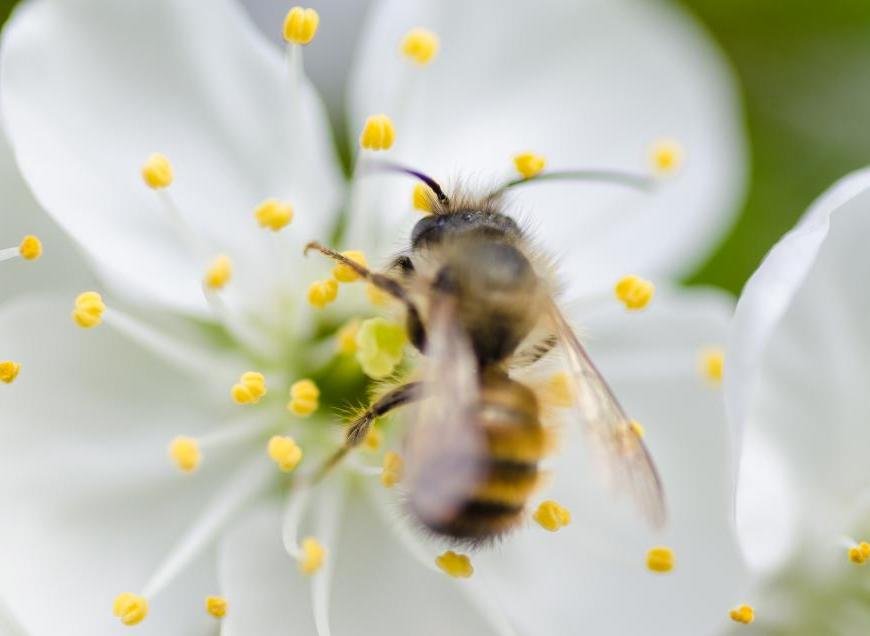
By Meenu Johnkutty ’21 For a number of years, many scientific models predicted a decline in bee populations due to the increase in the use of bee-killing pesticides in industrial agriculture. As global temperatures continue to rise, it is expected that biodiversity among bees will also continue to decrease, jeopardizing the pollination of many crops. As pollinators are essential to the pollination of the coffea … Continue reading Using Biointelligence to Combat the Effects of Climate Change on Coffee Agriculture

The Effect of Happy Music on Creative Thinking
By Meenu Johnkutty ’21 Innovative solutions are needed to solve the world’s most pressing problems and therefore; creativity is essential to the advancement of society. A recent study conducted by the Netherlands’ Radboud University, in collaboration with the University of Technology in Australia, shed light on how listening to happy music affects the formation of resourceful thoughts. The 155 participants that took part in the … Continue reading The Effect of Happy Music on Creative Thinking
Controlled Degradation of 3-D Printed Biomaterials
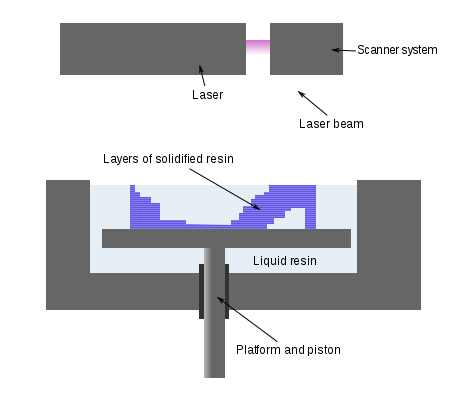
By Meghan Bialt-DeCelie ’19 The explosion of 3-D printing technologies allows custom and precise structures to be made quickly and inexpensively. Researchers led by Thomas Valentin from Brown University utilize stereolithographic 3-D printing to create biocompatible structures that could degrade in response to chemical cues. The technique of stereolithography involves shooting photons at unpolymerized materials causing them to form crosslinks with themselves to build a … Continue reading Controlled Degradation of 3-D Printed Biomaterials

Electric-less Cooling
By Meghan Bialt-DeCelie ’19 Cooling systems are one of the largest and most inefficient consumers of electricity. The goal of cooling systems is to reduce the condenser temperature to below the ambient temperature. Evaporative cooling systems can achieve this, but they require a great amount of water loss to do so. A new cooling alternative may be within reach as described in a study led … Continue reading Electric-less Cooling

Controlling Mitochondria to Stop the Clocks
By Meghan Bialt-DeCelie ’19 The respiratory function of the mitochondrion, the energy producing organelle found in the cell, can decline over time. This is because of how the mitochondrion enlarge and assume a more elongated shape. Typically, that mitochondrion will eventually break down and get removed processes called mitochondrial fission and mitophagy respectively. Accumulation of the ineffective mitochondria and inability to remove them are major … Continue reading Controlling Mitochondria to Stop the Clocks
 Young Investigators Review