Adult Attachment in the Sexual Minority

by Amanda Ng (’17) The theory of attachment states that the development of a secure attachment to a primary caregiver during the first two years of life predicts aspects of one’s life, such as behavior in adult relationships and overall well-being. In infancy, a secure or insecure attachment is developed when a primary caregiver is either consistently or inconsistently responsive to the child, leading the … Continue reading Adult Attachment in the Sexual Minority

Employment May Aid Schizophrenics

by Julia Newman (’19) At the Institute of Psychiatry and Neurology in Poland, Dr. Charzynska and his team of researchers conducted a study in order to determine the effect of employment on schizophrenic patients and found some promising results. Although schizophrenia itself currently has no cure, there are both medicinal and therapeutic forms of relief for the symptoms associated with the disorder. Thus, in this … Continue reading Employment May Aid Schizophrenics

Forgiveness Predicts Lasting Relationships

by Amanda Ng (’17) Many studies conducted in the field of social psychology have been dedicated to creating lasting relationships. Previous studies have shown that the presence of forgiveness in a relationship indicates successful conflict resolution and lower levels of stress. This leads to higher satisfaction in relationships, whether they continue or end. In a recent study led by Dr. Tsukasa Kato of the Department … Continue reading Forgiveness Predicts Lasting Relationships

The Many Advantages of Almonds

by Julia Newman (’19) Oilseeds are incredibly valuable in our society because they are applicable to a wide array of industries. Currently, soybeans, sunflowers, and rapeseeds are the most commonly used plants for their oils due to their high nutritional value, ability to reduce the risk of cardiovascular disease, and large quantity of oil extracted per plant. However, it was recently discovered by Dr. Sorkheh … Continue reading The Many Advantages of Almonds

New Structure in Brain Maturation Discovered

by Aaron Gochman (’18) Structural biology is a division within biological research that aims to discover the atomic structures of molecules and understand their functions. In a recent paper, an international team of scientists discovered the crystal structure of doublecortin-C, a protein important for neurogenesis. Doublecortin-C plays a role in maintaining the structure of neurons in the brain; mutations in this protein have been known … Continue reading New Structure in Brain Maturation Discovered

Long Term Trends for Wind Speed

by Jenna Mallon (’18) Wind speed is an important area of climate study because it has lasting effects on climate variations. In the Southern Hemisphere, studies involving wind speed are unavailable, despite there being research on air temperature and precipitation. As a result, Luiz Felipe N. Cardoso from the Department of Meteorology at the Federal University of Rio de Janeiro and a team of researchers … Continue reading Long Term Trends for Wind Speed

Mustard Oil and Menthol: More Than Just Food Products

by Aaron Gochman (’18) Ligand-gated ion channels are typically associated with receptors that are activated or deactivated upon the binding of a chemical messenger known as either an agonist or antagonist, depending on whether they activate (agonists) or deactivate (antagonists). One class of ion channels, the TRP family, has been known to be activated by thermal stimuli. Thermal stimulation of TRP ion channels certainly represents … Continue reading Mustard Oil and Menthol: More Than Just Food Products

Bio-Diesel Enhances the Flow of Emulsions in Pipelines

by Jenna Mallon (’18) Emulsions, mixtures containing two immiscible liquids, are used in a variety of industries including food, paint, pharmaceutical, cosmetic, and oil/gas. Emulsions play a large role in petroleum production since they exist at every stage of production, from crude oil to the refined petroleum. Issues arise when it comes to the transport of petroleum: the emulsions in the petroleum may contain solids … Continue reading Bio-Diesel Enhances the Flow of Emulsions in Pipelines

A New Approach For Treating Retinal Pathologies

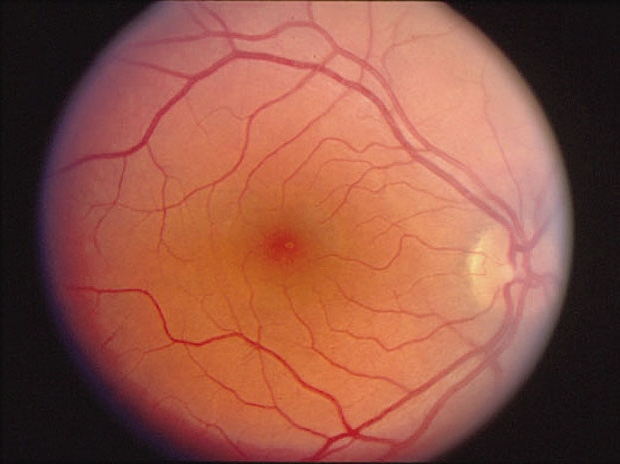
by Aaron Gochman (’18) Though visual signaling and processing is detected in the eye, information must still make its way to the brain. Photoreceptors in the retina function as transducers of these signals. However, damage to photoreceptor cells can cause not only blindness but also several types of retinal diseases. Designing therapies that target photoreceptor cells has proven to be challenging given the many G-protein … Continue reading A New Approach For Treating Retinal Pathologies

Mindfulness: A New Treatment For Multiple Sclerosis Patients

by Jenna Mallon (’18) Along with the disabilities caused by damage to the Central Nervous System (CNS), stress, depression, and anxiety are common occurrences for patients who suffer from Multiple Sclerosis (MS). In many cases, these mental illnesses will exacerbate the physical side effects of MS. In order to combat this, psychological treatments like Cognitive-Behavioral Therapy (CBT) have been used in conjunction with traditional forms … Continue reading Mindfulness: A New Treatment For Multiple Sclerosis Patients

Gender Differences in Emotional Experience and Expression

by Lillian Pao (’18) There are many differences between men and women, some of which concern their emotional experiences. Professor Yaling Deng, from the Beijing Normal University in Beijing, China, decided to investigate the emotional experience and expression difference between males and females. His study tested 31 men and 48 women on eight emotion types: sadness, anger, horror, disgust, neutrality, surprise, amusement, and pleasure. To … Continue reading Gender Differences in Emotional Experience and Expression

A New Vaccine For Alzheimer’s Disease

by Sahil Rawal (’19) Alzheimer’s disease is a debilitating disease that most often affects people of older age. A common trait within patients with Alzheimer’s disease is the accumulation of beta-amyloid proteins. These proteins eventually form plaques in the brain, which block nerve signaling and cause cell death. Although this is widely known, there have been very few successful treatments created within the last few … Continue reading A New Vaccine For Alzheimer’s Disease