Hippo Biology: The Next Step in Tissue Regeneration

by Aaron Gochman (’18) Traditional studies of tissue regeneration and repair have focused on delivering cells and biomaterials, compounds that will presumably grow when placed in a biologically friendly environment. A new avenue for research, however, has been revealed by a Chinese group that has chosen to focus on drug-based therapeutics instead. The study detailed a discovery in which the team found a drug, XMU-MP-1, … Continue reading Hippo Biology: The Next Step in Tissue Regeneration

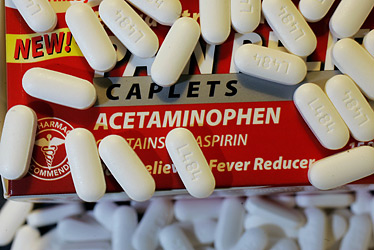
The Effect of Acetaminophen on Pregnant Women

by Sahil Rawal (’19) Acetaminophen is a painkiller that is often used by pregnant women as an analgesic, as it is readily available over-the-counter. The CDC had previously deemed this drug safe, and it was shown to cause no major birth defects. However, there have been recent studies that have shown that acetaminophen may play a role in causing autism-like symptoms in children. As a … Continue reading The Effect of Acetaminophen on Pregnant Women

Neurocognitive Development in Children with Epilepsy

by Lillian Pao (’18) Epilepsy affecting children is associated with neurophysiological and neurocognitive mechanisms. These children grow up with a weakened and less organized network structure in comparison to children without epilepsy. Prior studies have attempted to understand the neurocognitive functions in child epilepsy through eye movements. Unlike those that conducted previous studies, Professor Judith Lunn from Lancaster University in the United Kingdom, aimed to … Continue reading Neurocognitive Development in Children with Epilepsy

The Disadvantages of Opioids as Painkillers

by Sahil Rawal (’19) Opioids are one of the most commonly used painkillers in the United States. They have been shown to bind to opioid receptors and reduce the feeling of pain. However, there have been very few, if any, studies conducted that prove the negative aspects of opioids and how they may not actually relieve pain as well as we once believed. Dr. Grace … Continue reading The Disadvantages of Opioids as Painkillers

Aloe Vera May Be Beneficial For Diabetic Patients

by Sahil Rawal (’19) Diabetes mellitus is an epidemic that leads to many deaths every year. It is caused when a person’s blood sugars are too high, and can eventually lead to organ failure and death if left untreated. Billions of dollars each year are spent trying to find potential cures for this disease, but unfortunately most are to no avail. However, recent studies have … Continue reading Aloe Vera May Be Beneficial For Diabetic Patients

A New Approach For Treating Retinal Pathologies

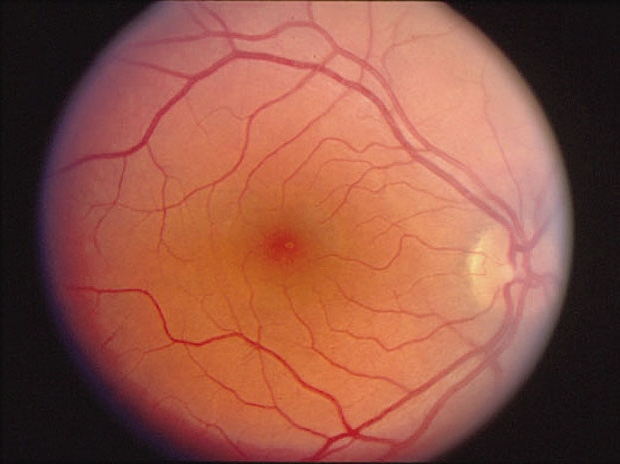
by Aaron Gochman (’18) Though visual signaling and processing is detected in the eye, information must still make its way to the brain. Photoreceptors in the retina function as transducers of these signals. However, damage to photoreceptor cells can cause not only blindness but also several types of retinal diseases. Designing therapies that target photoreceptor cells has proven to be challenging given the many G-protein … Continue reading A New Approach For Treating Retinal Pathologies

A New Vaccine For Alzheimer’s Disease

by Sahil Rawal (’19) Alzheimer’s disease is a debilitating disease that most often affects people of older age. A common trait within patients with Alzheimer’s disease is the accumulation of beta-amyloid proteins. These proteins eventually form plaques in the brain, which block nerve signaling and cause cell death. Although this is widely known, there have been very few successful treatments created within the last few … Continue reading A New Vaccine For Alzheimer’s Disease

Low-Density Lipoproteins May Affect Cognitive Function

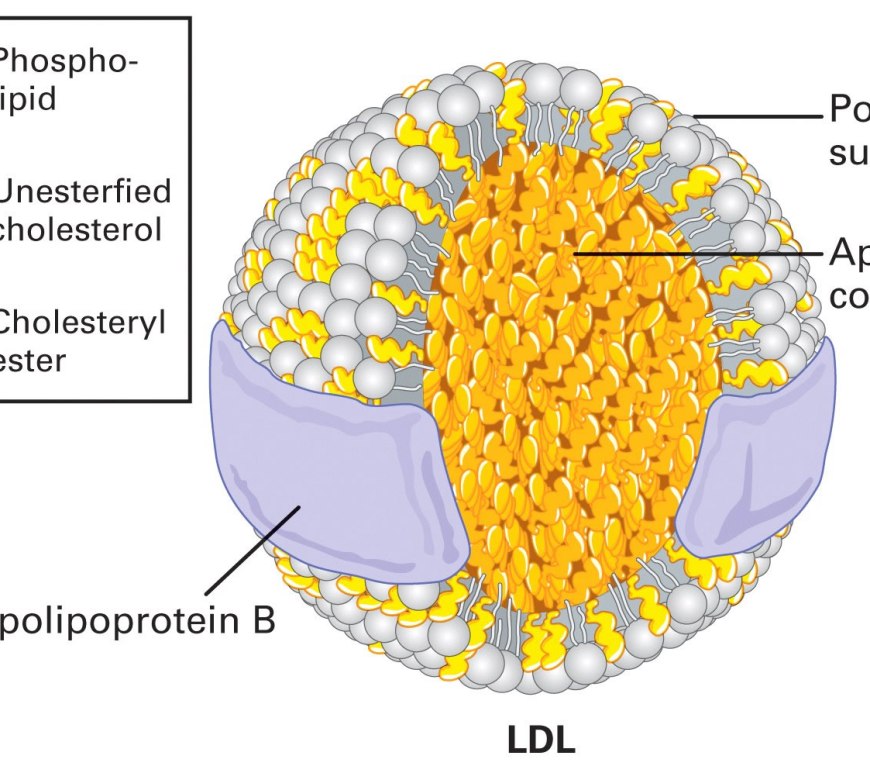
by Sahil Rawal (’19) Cholesterol is a lipid in our body that is necessary for proper functioning. However, low-density lipoproteins, also known as LDLs, are a type of harmful cholesterol that can build up and cause problems in arteries, which can lead to heart attacks or strokes. Although there is an abundance of information about the harmful effects of LDLs, there is an ambiguity of … Continue reading Low-Density Lipoproteins May Affect Cognitive Function

The Environmental Effect of the U.S. Health System

by Lillian Pao (’19) In 2013, the United States spent $3 trillion dollars on its health care system. Hospitals are highly dependent on heating and cooling energy systems, medical and laboratory equipment, sterilization, and more. Due to this dependency on technology, hospitals emit greenhouse gases (GHGs) which can greatly damage public health. Despite this, there has been little effort to try to quantify the consumption-based … Continue reading The Environmental Effect of the U.S. Health System

New Imaging System May Help Remove Tumor Tissue

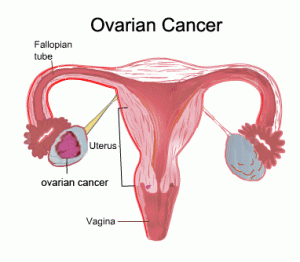
by Sahil Rawal (’19) Ovarian cancer is commonly treated by surgery to remove the tumor, but often, tumor tissue is still left behind after the surery. To remove the extra tumor tissues, surgeons have to go back and manually distinguish between malignant and benign tissue. This difficulty leads to malignant tumor tissue being left in the patient for long periods of time, which is a … Continue reading New Imaging System May Help Remove Tumor Tissue

A New Treatment for Blood Clots

by Sahil Rawal (’19) Blood clots, which prevent oxygen from reaching tissues, are the primary cause of heart attacks and strokes, and consequently lead to an enormous number of deaths each year. However, quick removal of blood clots can help prevent this. Currently, enzymatic formulations are the most efficient ways to treat blood clots, but they have many side effects that could be harmful to … Continue reading A New Treatment for Blood Clots

A Step Forward in Parkinson’s Disease

by Sahil Rawal (’19) Parkinson’s Disease is a very deadly condition with unknown origins, as scientists have been unable to pinpoint an exact explanation for its occurrence. Previous studies have shown that patients with Parkinson’s lack dopamine-producing cells, which causes attenuation of motor skills. Furthermore, it has been shown that mitochondrial toxicity causes mutations in PINK1 and PARKIN genes in patients with Parkinson’s. However, these … Continue reading A Step Forward in Parkinson’s Disease