Linking Key Immune System Components to Cancer Progression

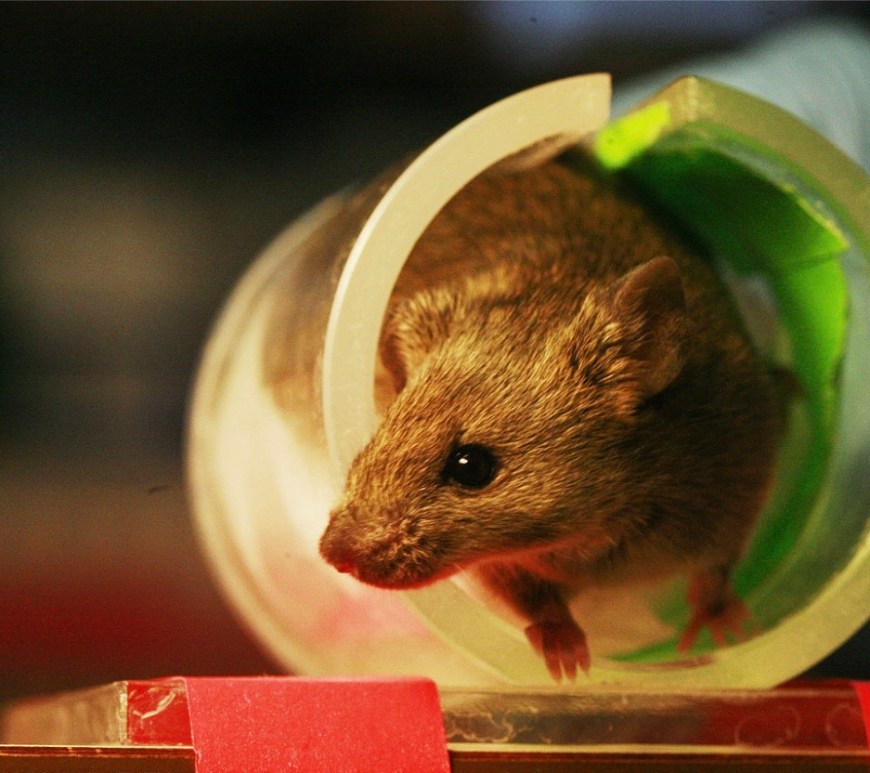
Author: Sean Krivitsky, Class of 2026 Breast cancer is the most frequently diagnosed form of cancer in the world and is one of the leading causes of cancer-related deaths. Triple-negative breast cancer (TNBC), a common type of breast cancer, is fast-growing and is associated with consistent poor prognosis. Unlike several other types of breast cancer, TNBC possesses a unique pathogenic mechanism, which means that it … Continue reading Linking Key Immune System Components to Cancer Progression

Orbitofrontal Cortex Studies May Pave the Way to Treating Social Anhedonia

Author: Kimberly Johnston, Class of 2026 Social anhedonia is a psychological condition characterized by a diminished ability to experience pleasure from social interactions and activities. It is associated with greater symptom severity and poorer response to treatment in individuals with Major Depressive Disorder (MDD). In individuals with MDD and social anhedonia, abnormalities in the orbitofrontal cortex (OFC) may hinder the brain’s ability to properly respond … Continue reading Orbitofrontal Cortex Studies May Pave the Way to Treating Social Anhedonia

Decoding Schizophrenia: Potential Mechanisms of the Schizophrenic Brain Could Lead to Novel Treatments

Author: Kimberly Johnston, Class of 2026 Schizophrenia (SCZ) is a mental disorder characterized by severe impairments in working memory (WM), a type of short-term memory responsible for temporarily storing and manipulating information needed to perform tasks, solve problems, and make decisions. A key region of the brain involved in this process is the medial prefrontal cortex (mPFC), which is active during internal thinking and deactivated … Continue reading Decoding Schizophrenia: Potential Mechanisms of the Schizophrenic Brain Could Lead to Novel Treatments

Watermelon Snow: A Medium for Antibiotic Resistance Research

Author: Marie Collison, Class of ‘25 A common adaptation of bacteria is antibiotic resistance, a very important field of study in microbiology and medicine. Antibiotic resistance genes (ARGs) can arise naturally and exist as an important natural survival tool for bacteria. ARGs have risen in frequency in human-inhabited regions as a result of increased use of antibiotics. As a result, there is growing concern over … Continue reading Watermelon Snow: A Medium for Antibiotic Resistance Research

Exploring the Biodiversity Inhabiting Sponges of the Great Barrier Reef

Author: Marie Collison, Class of ‘25 Sponges are a diverse group of multicellular organisms that inhabit aquatic ecosystems all over the globe. Scientists estimate that there are over 9000 unique species of sponges. The vast diversity of sponges enables them to provide a diverse range of habitats for a variety of aquatic taxa. They provide structure to environments that otherwise have minimal variation in elevation. … Continue reading Exploring the Biodiversity Inhabiting Sponges of the Great Barrier Reef

Is Chamomile Actually a Risk for Surgery?

Author: Marie Collison, Class of ‘25 Chamomile is a plant that is widely used in herbal medicine for a wide variety of reasons. It has been reported to have anti-inflammatory, antioxidant, anticarcinogenic, antidepressive, and sedative properties. Despite these benefits, current medical recommendations list chamomile as a substance that should not be ingested prior to surgery due to fears that it may increase the risk of … Continue reading Is Chamomile Actually a Risk for Surgery?

Implications of the role sphingosine kinase 1 plays in the formation of tumors in p53 knockout mice

Author: Marie Collison ‘25 Cancer is a universally known disease that can be caused by a variety of defects in the genetic code of cells. A very important molecule in the regulation of cellular proliferation is the tumor suppressor protein 53, more commonly known as p53. Mutations or deletions in the p53 gene sequence are detected in the majority of cancers, including several subtypes of … Continue reading Implications of the role sphingosine kinase 1 plays in the formation of tumors in p53 knockout mice

Diminished Glymphatic Transport and Lymphatic Drainage Tied to Cerebral Amyloid Angiopathy

Author: Vignesh Subramanian, Class of 2024 Cerebral amyloid angiopathy (CAA) is a cerebrovascular disorder characterized by the accumulation of amyloid protein deposits along cortical capillaries, cerebral vessel walls, and the brain’s leptomeninges. These plaques weaken fragile blood vessels, often resulting in intracerebral hemorrhaging. CAA is linked to vascular cognitive impairment and dysfunction and is a major contributor to the pathogenesis of Alzheimer’s disease (AD) and … Continue reading Diminished Glymphatic Transport and Lymphatic Drainage Tied to Cerebral Amyloid Angiopathy

Humans Remain Behaviorally Responsive to External Auditory Stimuli During Deep Sleep

Author: Vignesh Subramanian, Class of 2024 It has long been assumed that sleep is a stable state of unconsciousness in which an individual cannot perceive and respond to most external stimuli. However, recent studies have indicated that humans can process information, discriminate between basic sensations, and carry out limited executive functions, such as answering yes–no questions, while still asleep. Some oneirological studies have focused on … Continue reading Humans Remain Behaviorally Responsive to External Auditory Stimuli During Deep Sleep

Exploring the Therapeutic Potential of Melatonin in Endometriosis Management

Author: Kimberly Johnston ’26 Endometriosis is defined by the growth of endometrial tissue outside the uterus where it does not belong. It occurs in about 10% of women of reproductive age and leads to chronic pelvic pain and infertility. Despite the prevalence of this disease, its cause remains unknown. While there is no known cure to endometriosis, there are methods of symptom management, including hormone … Continue reading Exploring the Therapeutic Potential of Melatonin in Endometriosis Management

Exploring Drug Repurposing for Lacunar Stroke Prevention

Author: Kimberly Johnston ’26 Drug repurposing is a strategy that aims to find new applications for drugs that have already been proven safe and effective in humans. Lacunar stroke, characterized by reduced blood flow to the deep structures of the brain, can significantly impair a person’s movement, speech, and cognitive functions. Preventative treatments typically focus on managing hypertension, diabetes, and high cholesterol as these conditions … Continue reading Exploring Drug Repurposing for Lacunar Stroke Prevention

Combined Personological and Motivational Correlates Drive Conspiratorial Ideation

Author: Vignesh Subramanian, Class of 2024 Figure 1: Heightened paranoia and feelings of antagonism towards others are among the strongest indicators of conspiratorial ideation. Conspiracy theories are generally unsubstantiated explanations for specific events or circumstances that attribute said events to powerful individuals or groups secretly working in tandem. It remains disputed that either the number of conspiracy theories or the extent of public belief in … Continue reading Combined Personological and Motivational Correlates Drive Conspiratorial Ideation