The Questionable Validity of an FDA Approval

Leeya Azemoun, Grade 10 The Food and Drug Administration, commonly shortened to FDA, requires all medical and food products to be subject to their approval before being released on the market. This is, of course, necessary to ensure the safety of the general public who consume these products. However, there has been copious controversy over whether or not FDA approval is actually trustworthy. This concern … Continue reading The Questionable Validity of an FDA Approval

Unraveling the Ethics Behind Experimental Drugs

Aman Mistry, Grade 11 As the death toll due to COVID-19 increases, the ethical jumble surrounding experimental therapies becomes prevalent. Emergency situations such as the COVID-19 pandemic reassert the ongoing controversy surrounding the use of experimental drugs (2). Experimental drugs are preliminarily approved for clinical trials and can be alternatives to treat patients in times of crisis such as the COVID-19 pandemic or when suffering … Continue reading Unraveling the Ethics Behind Experimental Drugs

Beyond the Dichotomy: A Systematic Approach to Administering Experimental Therapies

Yashita Chaudhary, Grade 12 The 2014-2016 Zaire Ebolavirus (EBOV) outbreak can be analyzed to understand how experimental therapies can be used in times of emergency, with a particular focus on virus outbreaks. The high early mortality rates of EBOV led to doctors being spread thin, and attention quickly turned to the possibility of using experimental therapies to treat patients. Tension rose between medical staff  who … Continue reading Beyond the Dichotomy: A Systematic Approach to Administering Experimental Therapies

Cryopreservation of semen without using egg yolk

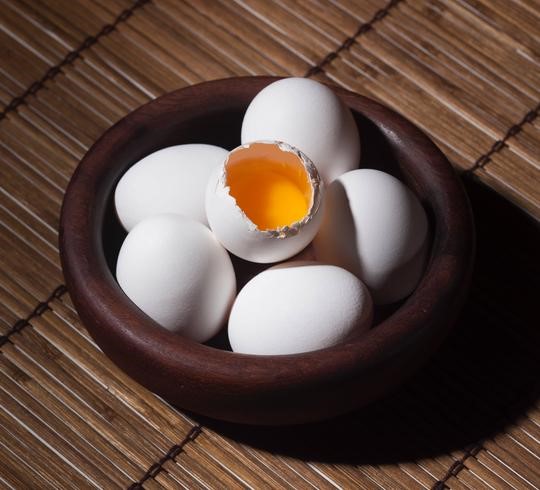
Panayiota Siskos ’23 Cryopreservation of semen conserves genetic information and allows fertilization via artificial insemination. Egg yolk is an ingredient of bull semen extender, which buffers sperm from temperature and environmental stressors. However, egg yolk composition is very variable between different producers. Cholesterol is a molecule that strengthens membrane structures. Increasing cholesterol content in sperm plasma membrane increases cryotolerance, allowing sperm to survive freezing temperatures. … Continue reading Cryopreservation of semen without using egg yolk

Cryopreservation of semen without using egg yolk

Panayiota Siskos ’23 Cryopreservation of semen conserves genetic information and allows offspring to inherit the traits of genetically superior organisms via artificial insemination. Egg yolk is an ingredient of bull semen extender, a liquid diluent that acts as a buffer that protects sperm from changes in temperature and environmental conditions. However,  egg yolk is an ingredient that is hard to standardize due to variations between … Continue reading Cryopreservation of semen without using egg yolk

How Do We Recognize Dog Emotions?

Ayesha Azeem ‘23 We humans are very complex creatures. When we spend a lot of time in close association with a species, we tend to treat them as if they are humans as well, and we can decipher their emotions clearly. With the expression of emotions, we can communicate our motivations, responses and needs to others. Recognizing animals’ emotions can be beneficial, as it may … Continue reading How Do We Recognize Dog Emotions?

How Relaxing Music Affects Sleep

Ayesha Azeem ‘23 Sleep is vital for maintaining physical and mental health and general well-being. However, our society often witnesses sleep disturbances, especially as we get older and in those who suffer from psychological disorders. However, many people, especially the elderly or those suffering from psychological disorders, experience sleep disturbances. Though some may use sleep-inducing medication, this may not be as effective as toleration can … Continue reading How Relaxing Music Affects Sleep

Disturbances in Circadian Clock Linked to Increased Susceptibility of Brain Tumors

Simran Kaur ‘20 All living organisms have circadian rhythms, an approximately twenty-four cycle that ensures the appropriate timing of important physiological functions such as digestion and sleep. Glioblastoma stem cells (GSCs) that are involved in the formation of aggressive brain tumors are stimulated by altered circadian clocks. Clock genes are responsible for the oscillation of gene expression within the day and can behave as both … Continue reading Disturbances in Circadian Clock Linked to Increased Susceptibility of Brain Tumors

The Future of 3D Printing in Biotechnology

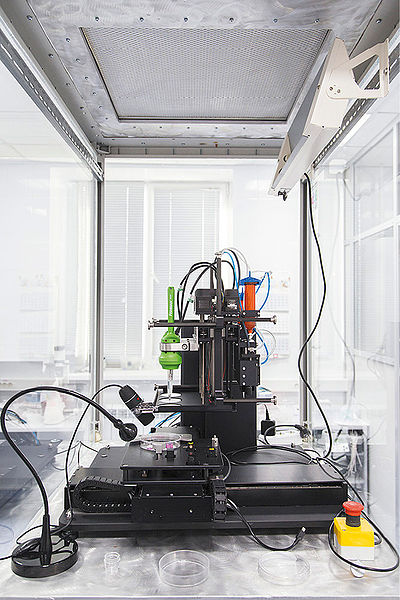
Aditi Kaveti ‘23 Health technology has advanced tremendously, especially in the field of tissue engineering. Two main products that have resulted from tissue engineering are scaffolds and hydrogels, both being distinct physical forms of polymers for tissue engineered skin. To  enhance cell interaction with polymers, cells need to be present as integrated parts of the bioengineered tissue or host cells need to be recruited for … Continue reading The Future of 3D Printing in Biotechnology

The Relationship Between Dopamine and Development of Asthma

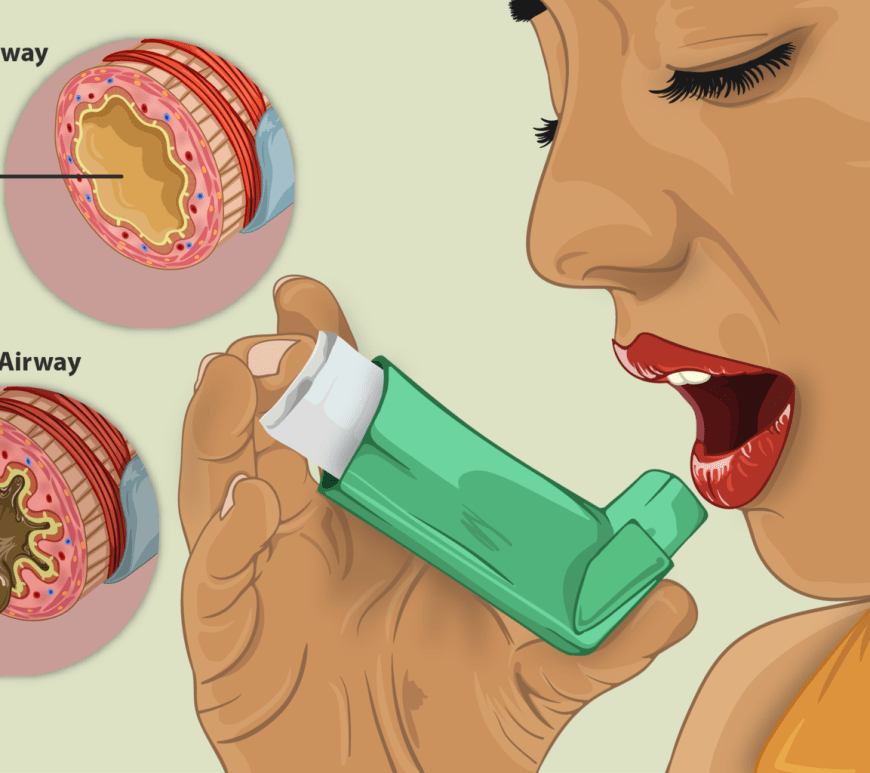
Aditi Kaveti ‘23 Asthma is a chronic condition in the United States that affects more than 26 million people, including an estimated 6 million children. Asthma is described as an intermittent inflammation and narrowing of the airways in the lungs, wheezing, chest tightness, shortness of breath, and coughing. Inflammation is regulated by the nervous system which is regulated by the immune system. Harvard researcher Xingbin … Continue reading The Relationship Between Dopamine and Development of Asthma

Cardiovascular Health Benefits to Dog Ownership

Aditi Kaveti ‘23 Loneliness and depression — in addition to a lack of physical activity — can increase the risks associated with health complications and premature death. Previous studies have demonstrated the links dog ownership has with increased physical activity, reduced social isolation, and lower blood pressure. A new study conducted by Professor Tove Fall at Uppsala University in Sweden suggested that dog ownership could … Continue reading Cardiovascular Health Benefits to Dog Ownership

Threatened mangrove forests can regenerate carbon stocks to defer climate change

Joyce Chen ’23 Shrimp is currently in high demand and is the most-consumed seafood in the United States. However, farming shrimp comes with a large sacrifice. Shrimp are found in shrimp ponds, which are converted from mangrove forests; these forests are known for sequestering, or storing, carbon, thereby delaying global warming. With the expansion of shrimp aquaculture, mangrove forests have depleted significantly, losing up to … Continue reading Threatened mangrove forests can regenerate carbon stocks to defer climate change