Diving Deeper into the Symptoms of PTSD

Lydia Wang ’26 Post-traumatic stress disorder (PTSD) is a mental health condition that arises after experiencing a traumatic event. Various cognitive models have highlighted attentional biases (selectively paying attention to certain stimuli while ignoring others) and memory biases (the enhancement or impairment of memory recall) based on negative stimuli in individuals with PTSD. It has also been seen that individuals remember emotional information better than … Continue reading Diving Deeper into the Symptoms of PTSD

Depression as a Risk Factor for Severe COVID-19 Infection

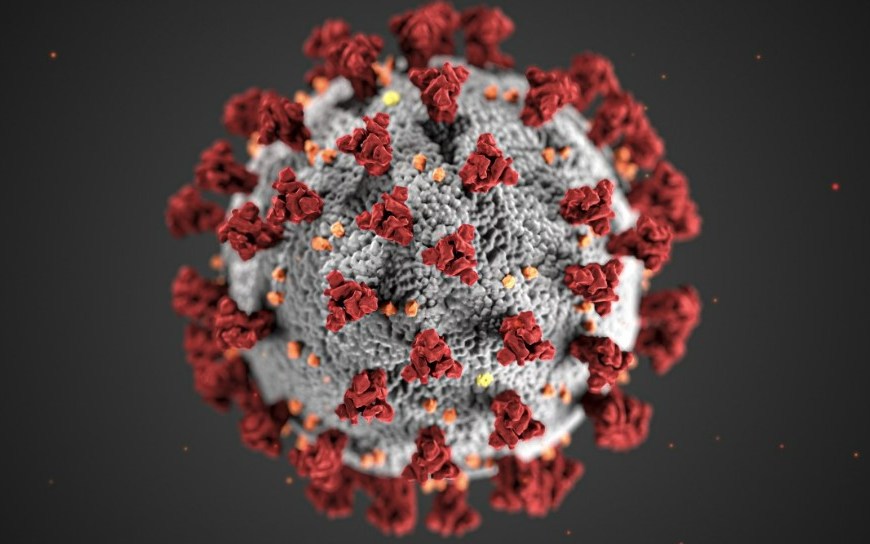
Peter Gillespie ’25 Covid-19 has been at the forefront of concern for many since the pandemic struck, especially for patients with risk factors for severe diseases if infected by Covid-19. Respiratory and cardiovascular disease, old age, hypertension, and diabetes have already been established as high risk factors for severe Covid-19 infection. However, recent research from Dr. Sean Clouston and his colleagues has identified a new … Continue reading Depression as a Risk Factor for Severe COVID-19 Infection

Optimizing Retention in Mental Health Interventions

Lydia Wang ’26 With rising rates of mental health disorders in adolescents, it has become increasingly important to ensure that the right treatment is available for them. Many adolescents do not receive proper mental health care because of structural or psychological barriers. For example, insurmountable costs and transportation fees, as well as the stigma associated with mental health may pose potential barriers. With the advent … Continue reading Optimizing Retention in Mental Health Interventions

Uncovering the Nuances of Mental Disorders and their Impact on the Brain

Lydia Wang ’26 When referencing common medical conditions, heart disease and high blood pressure are often grouped together, as one usually implies the other. Such groupings—the simultaneous presence of two or more medical conditions—are known as comorbidities. Comorbidities in mental health are common; more than half of individuals with mental disorders have more than one. Their occurrence has been dismissed as coincidence and ignored in … Continue reading Uncovering the Nuances of Mental Disorders and their Impact on the Brain

Not A Coincidence: Adolescent Women Are More Likely To Suffer From Depression

Figure 1: Cambridge University research team finds adolescent women’s brain development and genes may make them more likely to suffer from depression. Zhifei Zeng ’23 Women are often perceived to be more prone to being sentimental. This apparent connection may not be coincidental, but rather related to the biological makeup of the female brain. Adolescence is a time of critical brain development, but it is … Continue reading Not A Coincidence: Adolescent Women Are More Likely To Suffer From Depression

Poor Mother-Child Relationships Play an Influential Role In The Intergenerational Transmission of Depression

Jessica George ’24 Depression is a multifactorial condition, shaped by a variety of social factors such as relationships with others. Early childhood is a pivotal time of an individual’s life in shaping future interactions and behaviors. During this stage in life, parents play a vital role in a child’s social development, which poses the question of how a parent-child relationship could affect a child’s vulnerability … Continue reading Poor Mother-Child Relationships Play an Influential Role In The Intergenerational Transmission of Depression

Developmental Dyslexia is an Evolutionary Advantage

Julia Chivu ’24 Modern approaches tend to view learning disabilities as impairments. Current research, however, may prove otherwise. Developmental dyslexia is a neurocognitive disorder in which individuals have difficulty learning how to read. Dyslexia creates a variety of educational challenges, including inaccurate word recognition, frequent misspelling, and the inability to obtain advanced reading or writing skills. While this disorder may be considered a deficit in … Continue reading Developmental Dyslexia is an Evolutionary Advantage

Why Do Some Young People Develop Severe COVID-19?

Zhifei Zeng ’23 COVID-19, which has ravaged the world, is still a public health concern and there are multiple theories about the cause of severe COVID-19 infection in young people. Previous research on genetic factors associated with severe COVID-19 has been limited to the gene pool of European populations. Coincidentally, while comparing the gene pools of Japanese and European patients, a large Japanese genetic research … Continue reading Why Do Some Young People Develop Severe COVID-19?

Long Distance Ski Racing Correlated with Low Depression Development

Sooraj Shah ’24 Figure 1: Long term exercise such as skiing may reduce chances of developing depression Depression affects 5-10% of people in the United States. Combined with other disorders, depression can consume about 20-30% of a person’s lifetime. The most common therapeutic strategy to treat depression includes serotonin reuptake inhibitors, which increase serotonin levels in the brain. A major drawback to this treatment, however, … Continue reading Long Distance Ski Racing Correlated with Low Depression Development

Autism Spectrum Disorder May Not Be Linked to Impairment of Self-Awareness

Sooraj Shah ’24 Autism Spectrum Disorder (ASD) affects nearly 1 in every 44 children in the United States, and can cause a variety of symptoms such as delayed movement skills, nonverablity, and intellectual disabilities. A major impairment associated with  autism has been thought to be in theory of mind (ToM). ToM refers to the ability of an individual to understand that another individual’s mental state … Continue reading Autism Spectrum Disorder May Not Be Linked to Impairment of Self-Awareness

Anxiety Can Alter the Way We Perceive Negative Emotions

Lydia Wang ’26 As individuals, we constantly make decisions, many of which depend on our perception of social contexts. For example, when answering a question during class, one may gauge a friend’s expressions and observe whether they are grimacing or smiling, which (respectively) suggest an incorrect or correct response. This is an example of perceptual decision-making, where through observation and sensory input, one chooses an … Continue reading Anxiety Can Alter the Way We Perceive Negative Emotions