Exploring the Potential and Safety of LAB-Derived Bacteriocins in the Food Industry

Eimaan Bilal, Class of 2028 Bacteriocins are activated polypeptides that mostly produce lactic acid group bacteria (LAB) molecules, which have been determined to be safe to use under the Joint Food and Agriculture Organization (FAO). LAB-producing bacteriocin has a wide range of applications in the food industry, ranging from enhancing overall food quality to inhibiting the growth of microorganisms in food packaging. However there is … Continue reading Exploring the Potential and Safety of LAB-Derived Bacteriocins in the Food Industry

Harnessing Mango’s Antioxidants to Combat Insulin Resistance

Tiffany Ang, Class of 2026 Mangos, which are rich in vitamins A and C, are not only a delicious fruit, but are also known for their antioxidant properties. A study published in 2025 investigated the effects of regular mango intake on inflammation and insulin sensitivity in overweight patients with chronic low-grade inflammation. Chronic low-grade inflammation is linked to insulin resistance and poor glycemic control, which … Continue reading Harnessing Mango’s Antioxidants to Combat Insulin Resistance

Unraveling Long COVID: The Silent Impact of Reinfection

Tiffany Ang, Class of 2026 Post-acute sequelae of COVID-19 (PASC), or “Long COVID,” refers to ongoing or new symptoms that persist at least three months after a SARS-CoV-2 infection. Common symptoms include chest pain, cognitive dysfunction, shortness of breath, brain fog, headache, and fatigue. A study by Dr. Luft from Stony Brook University investigated the association between SARS-CoV-2 re-infection and the incidence of PASC among … Continue reading Unraveling Long COVID: The Silent Impact of Reinfection

Can a Change in Diet Improve Non-Motor Symptoms in Parkinson’s Patients?

Asher Agarwal, Class of 2027 Parkinson’s disease (PD), the second most prevalent neurodegenerative disease, is caused by the loss of dopaminergic neurons in the substantia nigra, a region important for the modulation of motor control. The classic triad of Parkinson’s symptoms is tremors, rigidity, and bradykinesia (slowness of movement). Recent research has been investigating the gastrointestinal (GI) symptoms associated with Parkinson’s. Evidence suggests the existence … Continue reading Can a Change in Diet Improve Non-Motor Symptoms in Parkinson’s Patients?

Linking Stress with Poor Cancer Prognosis

Sean Krivitsky, Class of 2026 Stress is a common response many experience amidst various physical, emotional, or psychological challenges. Beyond its significant short-term impacts, chronic stress has been demonstrated to impact cognitive function as well as the health of various systems within the body, including the immune system. Cancer patients in particular often fall victim to chronic stress, which, in turn, has been associated with … Continue reading Linking Stress with Poor Cancer Prognosis

Flavonoids to the Rescue: Combating Age-Related Neurodegeneration

Sean Krivitsky, Class of 2026 Neurodegeneration, which is often associated with aging, leads to the development of serious diseases, including Alzheimer’s disease and Parkinson’s disease, that afflict more than 50 million people worldwide. In addition to their devastating impact, neurodegenerative diseases are particularly problematic regarding their prognosis, diagnosis, and treatment. One of the primary factors underlying the development of neurodegenerative diseases is mitochondrial dysfunction. This … Continue reading Flavonoids to the Rescue: Combating Age-Related Neurodegeneration

Do Signals in the Brain Control Our Taste Preferences?

Kang Lai, Class of 2026 Our perception of taste profoundly influences our calorie intake and food preferences, and even serves as a defense mechanism from harmful substances. The gustatory insular cortex, a key brain region associated with taste, is closely linked to eating patterns and disorders. While neuronal circuits in this region have been studied, its neurochemical signaling remains obscure.  The Maffei lab at Stony … Continue reading Do Signals in the Brain Control Our Taste Preferences?

Pixels to Prognosis: Using AI for Neuroradiologic Analysis

Kaylie Huang, Class of 2027 The role of artificial intelligence (AI) in healthcare is one of curiosity and contention, as studies have shown its potential in early detection and prevention through near-perfect analysis of medical images. Researchers from the Department of Radiology at Stony Brook University Hospital (SBUH) investigated the accuracy of AI interpretations of CT head angiograms, or imaging of the brain’s blood vessels, … Continue reading Pixels to Prognosis: Using AI for Neuroradiologic Analysis

Sizzling Steak On The Perfect Iron-Cast Pan: A Meat Lover’s and Anemic’s Dream Meal

Sajia Athai, Class of 2026 Scrolling through TikTok and finding mukbangs and cooking vlogs of young adults making steak and eggs has now become the norm. Everyone loves a good steak, especially if they’re iron-deficient and love meat. Research reveals that using iron cast pans can increase the amount of iron people consume from their foods, leading to positive impacts on iron supplementation. Led by … Continue reading Sizzling Steak On The Perfect Iron-Cast Pan: A Meat Lover’s and Anemic’s Dream Meal

Implementation of Nitric Oxide Protein and Signaling Pathways for Prevention of Bacterial Infection in Medical Implants

Eimaan Bilal, Class of 2028 Many individuals rely on medical implants to improve their quality of life, but such internal devices are prone to bacteria attaching to the implant’s surfaces. This can create a biofilm that produces an exopolysaccharide matrix, increasing one’s risk for certain chronic infections and resistance to antibiotics. It has been hypothesized that biofilm regulation could be achieved by targeting how biofilms … Continue reading Implementation of Nitric Oxide Protein and Signaling Pathways for Prevention of Bacterial Infection in Medical Implants

Are Low-Income Consumers Informed about the Health Risks of Processed Foods?

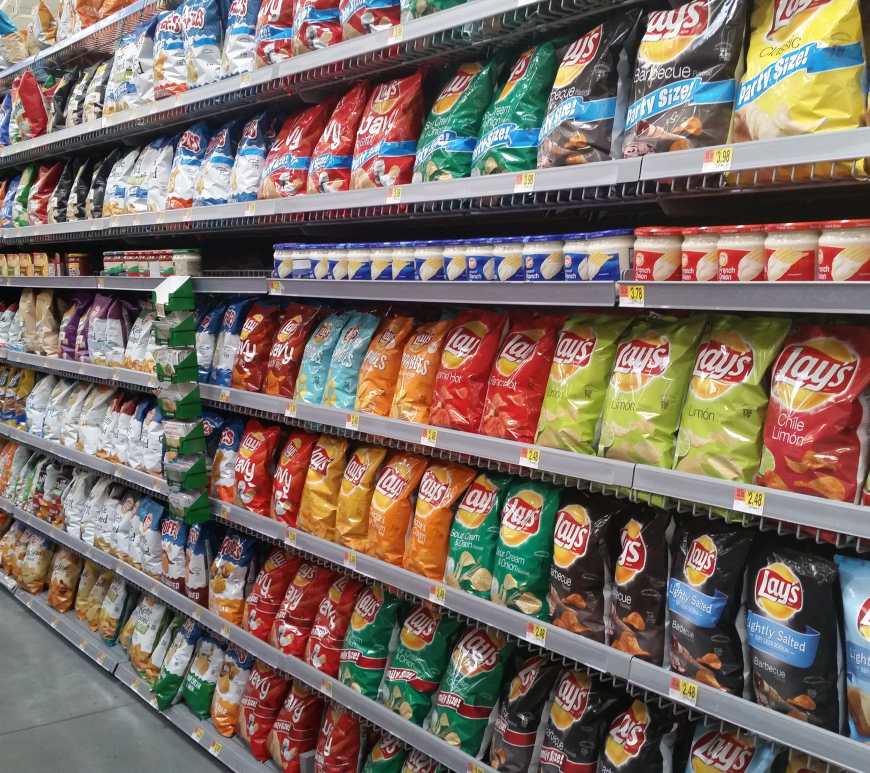
Eimaan Bilal, Class of 2028 The amount of ultra-processed foods (UPFs) in developed countries has been rising, contributing to non-communicable diseases (NCDs) such as cardiovascular diseases, cancer, and diabetes. The World Health Organization suggests limiting UPF consumption, due to their high concentrations of fat, salt, and sugar. However, past studies have shown that socioeconomically disadvantaged individuals with lower income and education are likely to adhere … Continue reading Are Low-Income Consumers Informed about the Health Risks of Processed Foods?

Unlocking Gut-Boosting Benefits of Fermented Foods

Tiffany Ang, Class of 2026 Gut microbes, often referred to as psychobiotics, play a key role in regulating the microbiota-gut-brain axis. This bidirectional pathway facilitates a constant relay of information between the gut and the brain. Fermented foods, such as yogurt, kimchi, and natto, are rich in beneficial gut microbes and microbial metabolites that can be leveraged to target this axis. Their affordability and widespread … Continue reading Unlocking Gut-Boosting Benefits of Fermented Foods