






What SIV can Teach us About HIV’s March Throughout the Body
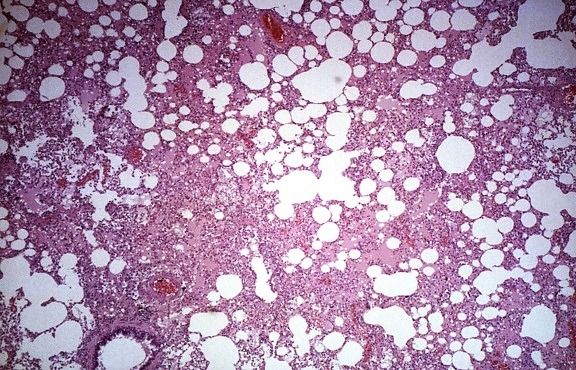
By Matthew Lee ‘21 Ever since it made a global impact in the 1980s, HIV has increasingly become one of the world’s most studied diseases. However, the exact mechanisms that underlie vertical HIV-1 transmission have yet to be fully understood. A research team led by Dr. Angela M. Amedee of Louisiana State University Health Sciences Center sought to investigate the early stages of HIV pathogenesis … Continue reading What SIV can Teach us About HIV’s March Throughout the Body


Treadmill Exercise Changes the Landscape of a Diseased Brain
By Matthew Lee ‘21 Alzheimer’s disease (AD) and other neurodegenerative diseases have debilitating effects on the elderly. AD is characterized by the buildup of proteins, subtype amyloid beta (Aβ), which form plaques and can contribute to Tau build up. However, there are multiple means by which to reduce the likelihood of developing AD. Several studies have confirmed the beneficial effects of exercise on mice with … Continue reading Treadmill Exercise Changes the Landscape of a Diseased Brain
Odor from a Rotten Egg Could Combat Hyperglycemia
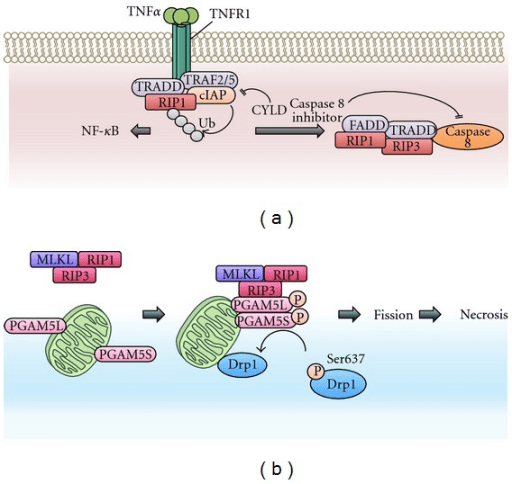
By Matthew Lee ‘21 Modern industrialized countries are plagued by diseases that usually manifest their worst symptoms after many years. One such condition is hyperglycemia, in which high blood glucose may lead to diabetes and/or atherosclerosis. Jiaqiong Lin of Guangdong General Hospital and a team of researchers investigated how hydrogen sulfide (H2S) could protect human umbilical vein endothelial cells (HUVECs) against injury from high glucose. … Continue reading Odor from a Rotten Egg Could Combat Hyperglycemia

Cellular regulation of tumorigenesis
By Matthew Lee ‘21 Scientists and students alike are often well aware that one of the immune system’s most important roles is fighting cancer. In this effort, dendritic cells are especially important; particularly important are conventional type 1 dendritic cells (cDC1). Dendritic cells are a type of immune cell. cDCs can present tumor antigens to T cells and attract T cells via the secretion of … Continue reading Cellular regulation of tumorigenesis

EYA1 and its Overexpression in Colorectal Cancer Associated with Angiogenesis
By Daniel Walocha ‘19 Angiogenesis is the formation of blood vessels. Cancer cells release growth factors associated with the induction of angiogenesis. Newly formed blood vessels allow cancer cells to easily metastasize, making treatment and survivability difficult for tumors. Colorectal cells are the third leading cause of cancer deaths, so understanding potential therapeutic targets is of interest to researchers. Shaoxin Cai, Ph.D, from Tongji Hospital … Continue reading EYA1 and its Overexpression in Colorectal Cancer Associated with Angiogenesis

Student Researcher Interview with Dhaval Shah
Interviewer: Benjamin Kerner Interviewed: Dhaval Shah B: Alright so first question, what is your name, major and what department of research do you work out of? D: Dhaval Shah, and Psychology with a Biology minor, and I work in the Periodontal department at the dental school of… It’s like a long name for the lab, but I won’t go into that. Essentially a regeneration lab. … Continue reading Student Researcher Interview with Dhaval Shah
Arsenic and Copper May Affect Reproductive Health in Chickens
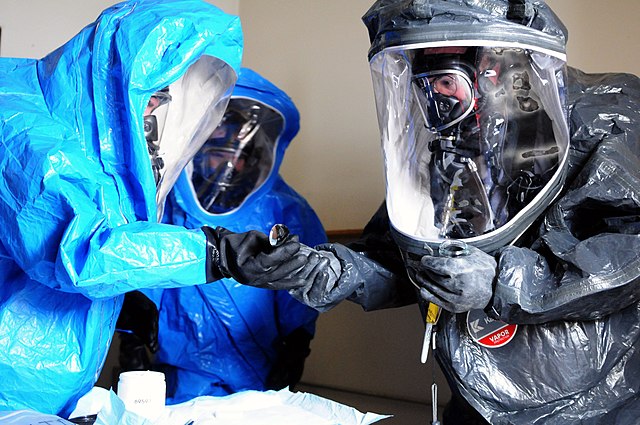
By Matthew Lee ‘21 Arsenic and copper are trace elements that can have deleterious health effects when present in the body in large quantities. Their toxicity in certain body parts such as the liver, nervous system, and lungs is well documented. However, the effects of arsenic and copper on testicular tissues are not as studied. A recent study led by Yizhi Shao of Northeast Forestry … Continue reading Arsenic and Copper May Affect Reproductive Health in Chickens

TRIM25 and its Role in the Proliferation of Colorectal Cancer Cells
By Daniel Walocha ‘19 Colorectal cancer (CRC) is the third leading cause of cancer death. Metastasis is one of the largest determinants of survival for colorectal cancer; treatment before metastasis is crucial for survival. Targeting potential gene products that promote proliferation and invasion could reduce cancer metastasis and growth. TRIM25 is an E3 ubiquitin ligase found to be responsible for the polyubiquitination of retinoic acid … Continue reading TRIM25 and its Role in the Proliferation of Colorectal Cancer Cells

Reactive Oxidative Species Sensitivity in Cancer
By Daniel Walocha ‘19 Cancer cells primarily use glycolysis to gain ATP and important intermediates for amino acid biosynthesis via the Warburg effect, even in the presence of readily available oxygen. This highlights a key distinction between cancer and normal cells: normal cells mainly utilize the electron transport chain for their ATP needs, while cancer cells do not. As a result, cancer cells build up … Continue reading Reactive Oxidative Species Sensitivity in Cancer

Energy, Spin, and Charge All in One
Neomi Lewis ‘21 The field of economics is constantly making strides to better manipulate and strategically implement properties of charged particles. Charged particles play instrumental roles in devising electronic devices. Most particles that are commonly used, however, only retain one property that can be manipulated. Researchers from Duke University now have reason to believe that “trions,” a quasiparticle, can also be controlled in useful ways. … Continue reading Energy, Spin, and Charge All in One

Exploring Saccadic Eye Movement
By Fatin Chowdhury ‘19 The nuances of eye movements form an overlooked part of human vision. Dr. Grace Edwards at Istituto Italiano di Technologia in Italy examined the effect of peripheral information near a saccade target. Saccading is the completion of rapid eye movement by healthy human eyes while being fixated on differing spatial points. Edwards hypothesized that the neural interpretation of a postsaccadic visual … Continue reading Exploring Saccadic Eye Movement

The Largest Map of the Milky Way Yet
Neomi Lewis ‘21 The glaring image of the Milky Way is the rotating galaxy that usually comes to mind when individuals think about outer space. However, this typical image is no longer useful in studying bodies within the galaxy. Images of the Milky Way captured in visible light are obscured by dust and clouds. To remedy the situation, astronomers have used a 45 m radio … Continue reading The Largest Map of the Milky Way Yet
 Young Investigators Review