


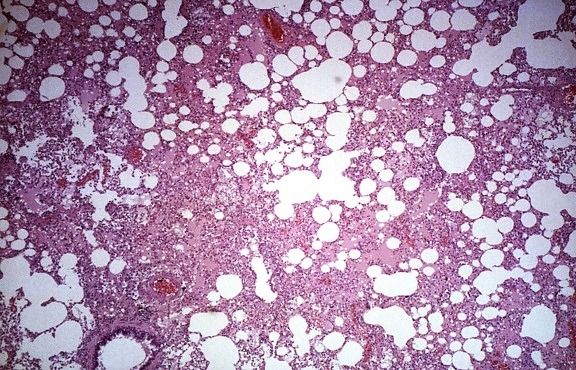




Nanoparticle Drug Delivery
Richard Liang 18’ Mucoadhesive particles (MAPs) are used as the primary method of pulmonary drug delivery since it was believed that they increase drug duration within the lungs. MAPs act by sticking to the mucus layers and are used to treat a variety of illnesses including asthma, cystic fibrosis and lung cancer. However, administered MAPs are, in reality, quickly removed from the body via physiologic … Continue reading Nanoparticle Drug Delivery

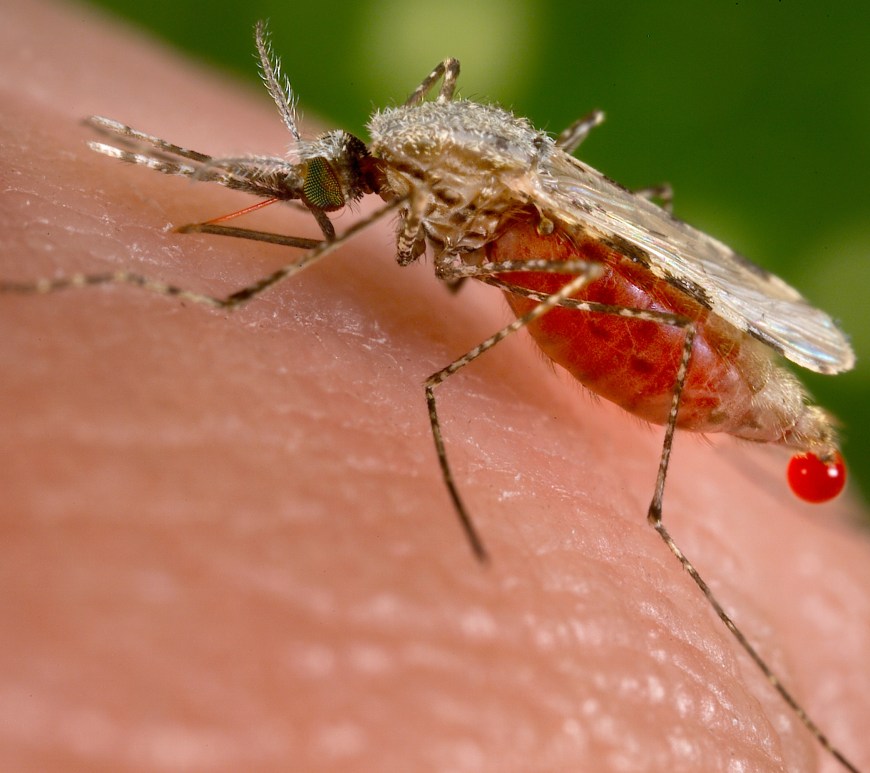
The Effects of Insecticidal Nets on Asymptomatic Malaria in India
Caleb Sooknanan ‘20 Over the past decade, mosquitoes have been subject to many vector control strategies in order to control the spread of Malaria. Long-lasting insecticidal nets (LLINs) have been among the most effective, as their distribution has reduced global malaria morbidity by 45% since 2000. However, a large proportion of malarial infections remain asymptomatic, likely preventing malaria elimination programs from being executed to the … Continue reading The Effects of Insecticidal Nets on Asymptomatic Malaria in India

Immunity to Future Cancers with Resident Memory T Cells
Richard Liang 18’ Skin cancer melanomas develop from melanocytes, or pigment-containing cells, and cause discoloration in various parts of the body. Patients with melanomas are also likely to develop an autoimmune disease known as vitiligo, in which the body’s immune system attacks melanocytes. This results in a patchy loss of pigmentation. Recently, in a study led by Mary Jo Turk from the Department of Microbiology … Continue reading Immunity to Future Cancers with Resident Memory T Cells
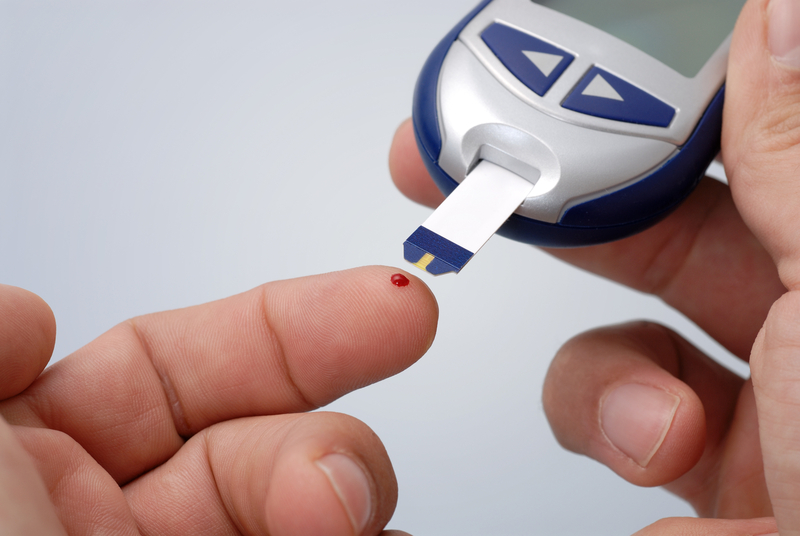
Integrating Synthetic Biology with Hepatogenous Diabetes Treatments
Caleb Sooknanan ‘20 Hepatogenous diabetes is a condition often characterized by the comorbid presence of type 2 diabetes with chronic liver disease. A major factor in this condition is insulin resistance (IR), an asymptomatic disease state in which impaired insulin signaling causes organ dysfunction. Current therapies that target IR are limited and generally inapplicable for patients with liver disease. Dr. Shuai Xue and researchers at … Continue reading Integrating Synthetic Biology with Hepatogenous Diabetes Treatments

Correcting Muscular Dystrophy Gene Mutations
Richard Liang 18’ Duchenne muscular dystrophy (DMD) is a severe form of muscle degeneration that can become lethal if it affects heart muscle. It is known to be caused by mutations in the X-linked dystrophin-coding gene and thus, there has been ongoing research in correcting these mutations. Currently, there is no effective treatment for this disease. Recently, in a study led by Yu Zhang from … Continue reading Correcting Muscular Dystrophy Gene Mutations

A Mechanical Thorax for CPR Simulation
Caleb Sooknanan ’20 For the past few decades, cardiopulmonary resuscitation (CPR) guidelines have been regulated on the basis of chest compression, medication procedures, and other criteria. However, the circulation generated via CPR varies with intensity and duration of compressions, which can be inconsistent. As studies evaluating such inconsistencies have been relegated to animal or computer simulations due their medical and ethical concerns, Dr. Stefan Eichhorn … Continue reading A Mechanical Thorax for CPR Simulation

New and Revolutionary Treatment for Bacterial Infection
By Patrick Yang ’20 Bronchiectasis occurs when the lung’s bronchial tubes are permanently damaged or inflamed, leading to chest pain, coughing up blood, and large production of mucus. These damaged lung walls also make bronchiectasis patients more prone to chronic infection and, specifically, Pseudomonas aeruginosa lung infections, which increase mortality rates. However, previous research has shown that patients with bronchiectasis and chronic P. aeruginosa infection … Continue reading New and Revolutionary Treatment for Bacterial Infection

Sugary Drinks vs. Healthy Brains
By Taylor Ha ’18 Many American consumers regularly indulge in hundreds of sugar- and artificially- sweetened name brand drinks: Coke, Sprite, Fanta soda, and Hawaiian punch, to name a few. However, routine consumption of such drinks is associated with cardiometabolic diseases, which can amplify stroke and dementia risk. And according to new research published on April 20, 2017, avid soda, fruit juice, and overall sweet … Continue reading Sugary Drinks vs. Healthy Brains

Vitamin C Enhances Cancer Therapy
By Patrick Yang ’20 Ascorbate, or vitamin C, is a potential anti-cancer agent when paired with chemotherapy. Scientists hypothesize that ascorbate’s curative powers stem from its ability to produce hydrogen peroxide, which reduces iron to form free radicals – highly reactive molecules that damage DNA and cause cell death. Since aggressive cancers have unusually large intracellular iron pools that support cancer spread and growth, ascorbate … Continue reading Vitamin C Enhances Cancer Therapy

From Naked Mole-Rats to Human Treatment
By Taylor Ha ’18 Naked mole-rats are pink, wrinkly, and big-toothed. Deep underground in hypoxic, or low oxygen, and high carbon dioxide conditions, these strange creatures live in colonies of up to 280 members. And, according to a recent study published on April 21, 2017, they also have the ability to metabolize fructose, just like plants, and survive without oxygen for 18 minutes without any … Continue reading From Naked Mole-Rats to Human Treatment

Maternal Vaccination’s Role in Infant Survival
By Patrick Yang ’20 Pertussis, more commonly known as whooping cough, is a life-threatening infection in infants that can easily be prevented through vaccination. However, infection rate has been increasing over the past several years. And since the DTaP vaccine for pertussis is administered after two, four, and six months of age, an infant is especially vulnerable during his or her first two months of … Continue reading Maternal Vaccination’s Role in Infant Survival

Finding Personality Similarities Within Friendships and Romantic Couples
Ericka Berman Previous research has shown that in close relationships, people tend to come from similar demographics. However, there is little known about personalities as measures of closeness. Wu Youyou Ph.D. et al. of Cambridge University aimed to examine personality similarities within romantic couples and friends. The researchers used Facebook to examine “Liked” pages and status updates to analyze language use. The study received data … Continue reading Finding Personality Similarities Within Friendships and Romantic Couples
 Young Investigators Review