


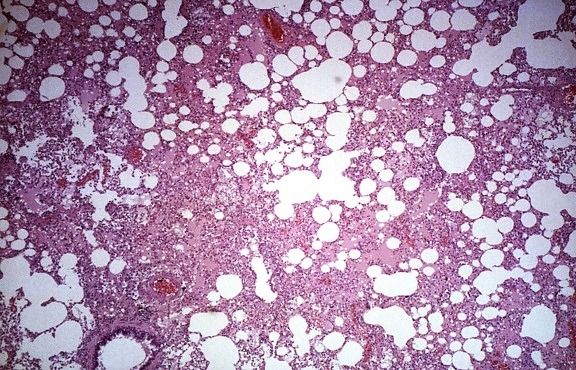




Interspecies Pancreas Transplant
Meghan Bialt-DeCelie – ’19 Currently in the United States, 76,000 patients are deprived of potentially life-saving organ transplants. The supply of donated organs relies heavily on the number of recently deceased individuals, limiting the supply’s availability. Dr. Yomoyuki Yamaguchi and his team of researchers from Stanford University and the University of Tokyo are exploring more sustainable methods of generating functional tissues and organs to help … Continue reading Interspecies Pancreas Transplant


Creating Birds of Similar Feathers: Leveraging Similarity to Improve Teacher-Student Relationships and Academic Achievement
Ericka Berman Having thriving student-teacher relationships (TSR) is important in academic success. In studying the improvement of TSR, schooling, positive youth development, and social motivation are of great interest to researchers. Dr. Hunter Gehlbach and his team of researchers carried out this study using a sample of 315 ninth graders and 25 teachers from a high school in the southwestern United States. Students were assessed … Continue reading Creating Birds of Similar Feathers: Leveraging Similarity to Improve Teacher-Student Relationships and Academic Achievement

April Student Researcher of the Month: Ioana Soaita
This past month, one of our cabinet members, Benjamin Kerner, had the opportunity to sit down with Ioana Soaita, a senior student researcher in the Biomedical Engineering Department under Dr. Rubenstein. B: So now how did you get into research and what inspired you to do so? I: So I was really interested in doing diabetes work and was looking into either learning more about … Continue reading April Student Researcher of the Month: Ioana Soaita
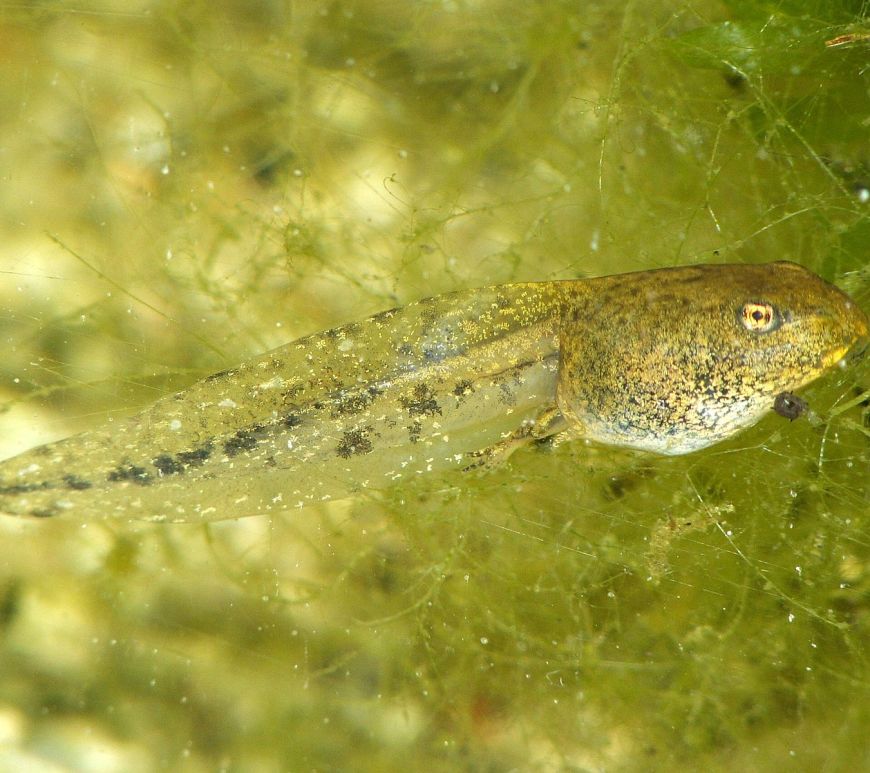
Improved Functionality of Grafted Eyes on Blind Tadpoles
Meghan Bialt-DeCelie – ’19 The major flaw faced by research in tissue regeneration is proper development of a nervous system as well as its functionality in the new host. Researchers led by Douglas J. Blackiston, Ph.D from Tufts University attempted to improve communication between a graft and the central nervous system of a host. The researchers used the tadpoles of Xenopus laevis to observe the … Continue reading Improved Functionality of Grafted Eyes on Blind Tadpoles
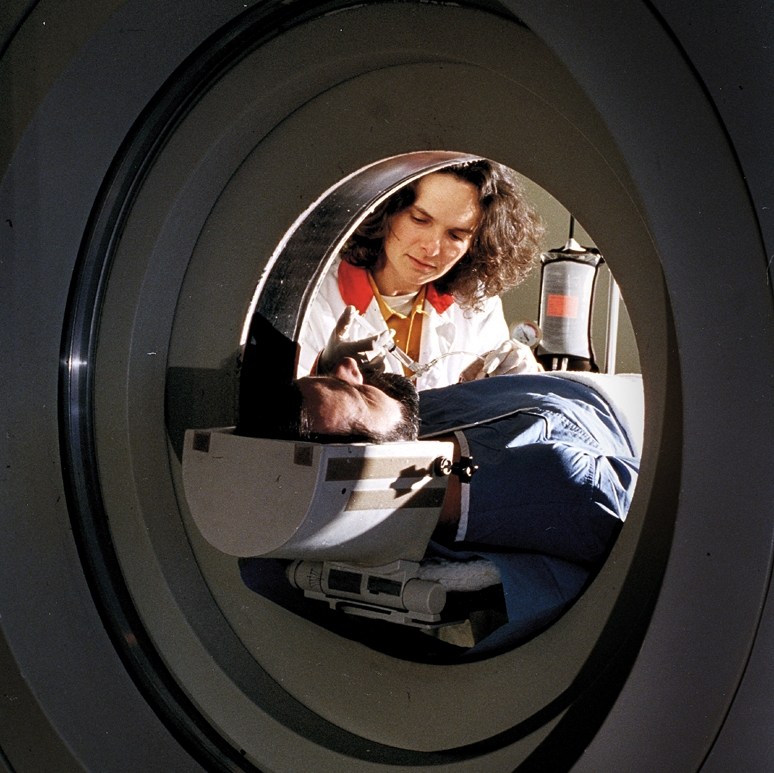
Norepinephrine Transporter in Major Depressive Disorder: A PET Study
Ericka Berman Major depressive disorder (MDD) is a debilitating illness characterized by low mood and loss of interest in activities. In MDD, the neurotransmitter norepinephrine is believed to be dysregulated, contributing to the depressive symptoms. The goal of this study was to test norepinephrine transporter availability in patients with MDD in attempt to identify potential associations with clinical symptoms. Previous studies have looked at the … Continue reading Norepinephrine Transporter in Major Depressive Disorder: A PET Study

Data Storage on DNA
Meghan Bialt-DeCelie – ’19 Scientists have explored the concept of data storage in DNA, one of the most fundamental biological molecules to living things. According to the Shannon information capacity, a nucleotide can ideally contain 2 bits of data. However, DNA does not currently have this capacity due to difficulties and errors associated with high GC content and areas with long runs of the same … Continue reading Data Storage on DNA

Motivations to Use Tinder
By Megan Y. Tan ’19 With at least 10 million active users a day, Tinder is one of the most popular dating apps. It is easy to set up, by connecting it to Facebook, and easy to use, by just swiping left when presented with an undesirable profile, and swiping right when presented with a desirable profile. Although it is such a popular app, not … Continue reading Motivations to Use Tinder

Four-Year-Old Children and Their Ability to Understand Others
By Rideeta Raquib ’19 One of the key components of human cognition is understanding mental states of others and recognize that people around the world may have differing perspectives. This concept, referred to as the theory of mind, plays an important role in human communication and cooperation. Children initially pass false belief tests at the age of three or four years old. These tests … Continue reading Four-Year-Old Children and Their Ability to Understand Others

An End to Global Warming Could End Mass Coral Bleaching
By Megan Y. Tan ’19 The Great Barrier Reef is the world’s largest coral system stretching over an area of more than 300,000 square kilometers off the coasts of Australia. Though the Great Barrier Reef Marine Park protects a large part of the reef from fishing and tourism, it is still not safe from environmental factors such as global warming. In fact, climate change has … Continue reading An End to Global Warming Could End Mass Coral Bleaching

Hairs on Honey Bees Essential for Pollen Removal
By Rideeta Raquib ’19 Diverse flowering plants evolved during the Cretaceous and Paleogene Periods, nearly 140 to 23 million years ago, and they adapted pollinating insects for better dispersal. Several insect orders that were attracted to flowers and nectar, such as Coleoptera or Diptera became abundant as well. Although the grooming of insects has been prominent over many years, quantitative analysis on the subject is … Continue reading Hairs on Honey Bees Essential for Pollen Removal

History Can Affect Gender Roles
By Megan Y. Tan ’19 Gender role inequality, which has several severe disadvantages and discriminations in a variety of countries, is a highlighted and debated societal issue. For instance, in western societies, women’s salary is 20% lower than males who work in the same field. Social attitudes, economic pressure, and conservative structural forces to maintain the status quo are a couple of reasons for the … Continue reading History Can Affect Gender Roles

Reaching and Grasping Movements Restored in Tetraplegia Patients
By Rideeta Raquib ’19 Tetraplegia is a type of paralysis caused by high-cervical spinal cord injury and can limit reaching and grasping movements. To restore the motor functions lost in these limbs, a tool known as the functional electrical stimulation (FES) applies spatiotemporal stimulation to muscles and peripheral nerves. This simulation has successfully restored grasping in individuals with mid to low level spinal cord injuries. … Continue reading Reaching and Grasping Movements Restored in Tetraplegia Patients
 Young Investigators Review