






Identifying Bacteria with MALDI-TOF MS Methods
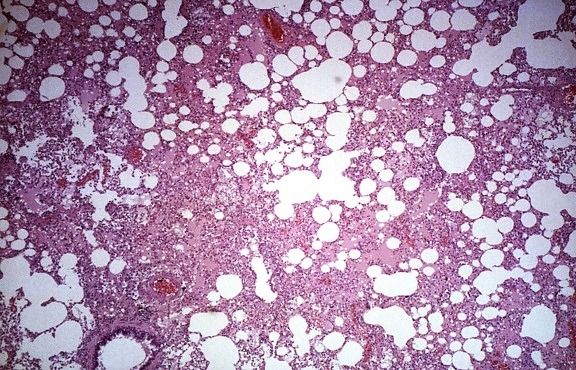
By Caleb Sooknanan Detecting microbial agents that cause bloodstream infections is a common task in clinical microbiology laboratories. Matrix-assisted laser desorption/ionization time-of-flight mass spectrometry (MALDI-TOF MS) has become one of the most effective bacterial identification methods in recent years, but the corresponding kit for preparing samples is very expensive. This limits the potential use of MALDI-TOF MS in clinical settings. Dr. Shota Yanetani and researchers … Continue reading Identifying Bacteria with MALDI-TOF MS Methods

The Epidemiology and Genetic Diversity of Coxsackievirus A16 in Peru
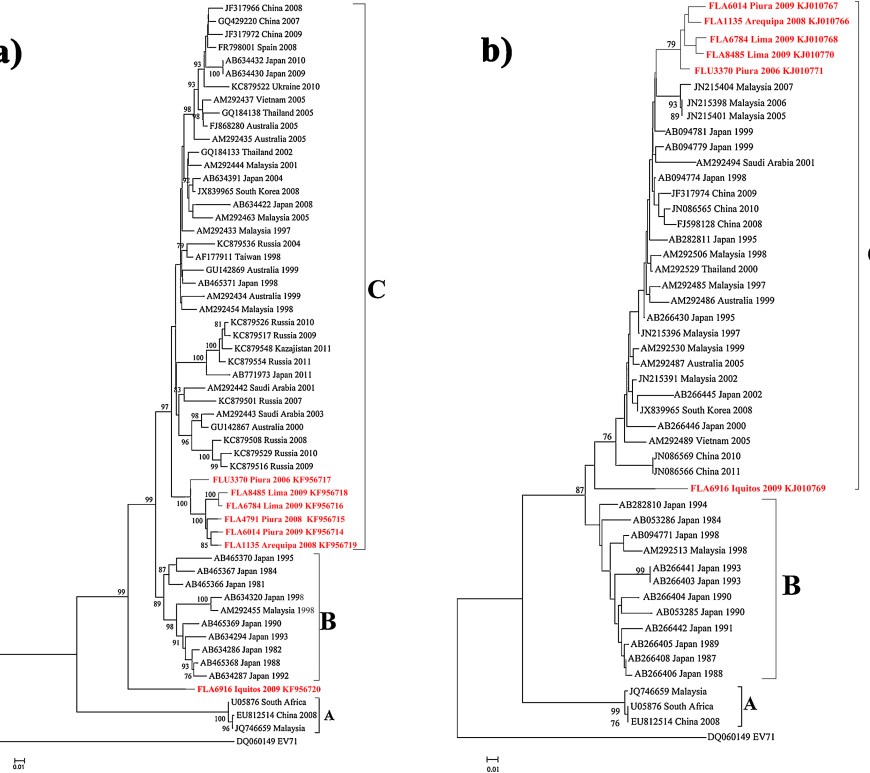
By Caleb Sooknanan These are the most likely trees of coxsackievirus A16 isolates based on the full-length VP1 and VP4 sequences. Coxsackievirus A16 (CVA16) is an RNA virus that often affects young children and causes rashes and ulcerating blisters. The epidemiology of CVA16 is mostly unknown. Dr. Gladys Carrion and researchers from US Naval Medical Research Unit No. 6 — along with the Peruvian … Continue reading The Epidemiology and Genetic Diversity of Coxsackievirus A16 in Peru

Wearable Patch Increases Tolerance of Peanut Allergens
by Patrick Yang ’20 Consuming a tiny sample of peanuts can induce life-threatening anaphylaxis in a person with peanut allergies. Peanuts are the most prevalent allergens, accounting for approximately 16 percent of the allergies that Americans suffer from. Incidence rates are only rising, according to the American Academy of Allergy, Asthma, & Immunology. Although some children are able to outgrow their allergy, a decisive cure … Continue reading Wearable Patch Increases Tolerance of Peanut Allergens

Interview with the Undergraduate Biochemistry Society
This past week, one of our Cabinet Members, Benjamin Kerner, sat down with the President of the Undergraduate Biochemistry Society, Janki Patel, to learn more about their mission at Stony Brook. B: What is the mission statement of your organization? J: So for undergrad biochem society, our goal is to basically foster a community for students that are interested in biochemistry and any of … Continue reading Interview with the Undergraduate Biochemistry Society
Rapidly Detecting Wound Bacteria
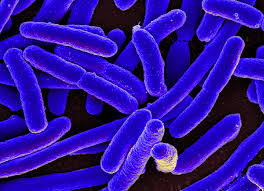
by Michael D’Agati ’18 Infections caused by wounds are a health concern for many people around the world. If treated incorrectly, these infections can cause major health problems for those affected. Treatments that can reduce the severity of the infections depend on rapid and timely detection of the infection-causing bacteria. In the past decade, previous attempts at creating biosensors for detecting wound bacteria have suffered … Continue reading Rapidly Detecting Wound Bacteria
Brain Connectivity Can Predict Occurrence of Placebo Effect
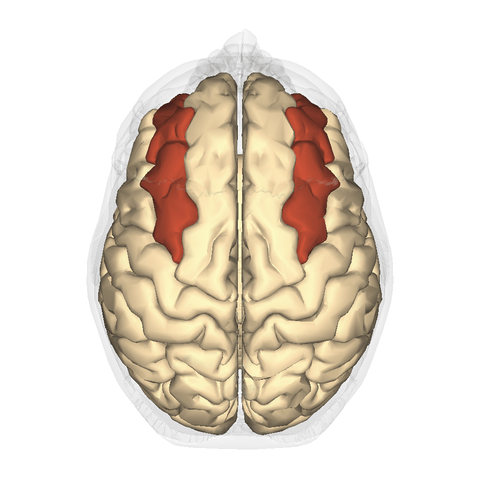
by Patrick Yang ’20 The placebo effect has consistently stumped the scientific community because it provides an effective treatment based on a patient’s belief, rather than a scientific reason. Instead of disregarding the placebo effect, Dr. Pascal Tétreault of Northwestern University and his team aimed to discover the biological context and the predictability of placebo response in chronic pain patients. Since some patients exhibit the … Continue reading Brain Connectivity Can Predict Occurrence of Placebo Effect
Paper-based Electrochemical Biosensor
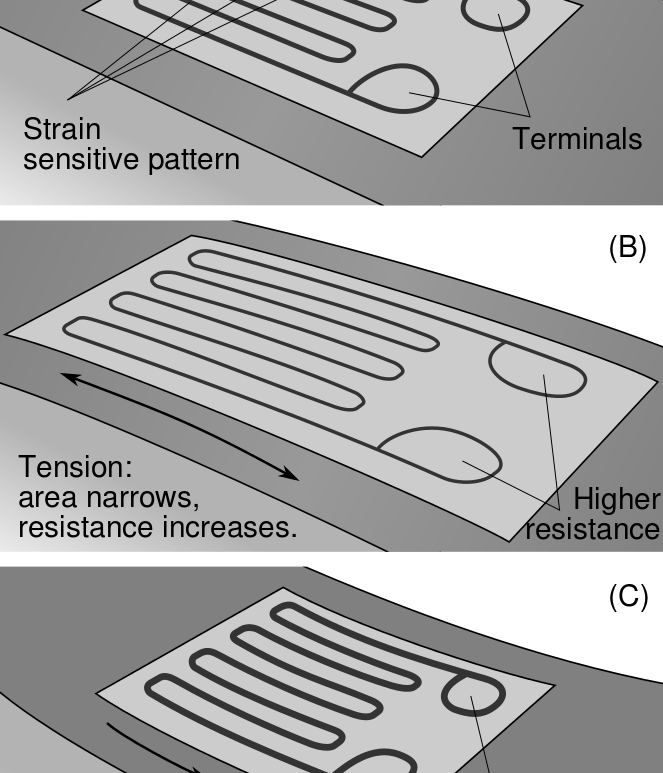
by Michael D’Agati ’18 An electrochemical biosensor is a type of sensor that can provide quantifiable information based on the relationship between electricity and an identifiable chemical change inside a human, such as a glucose sensor that uses electrical means to detect change. Recently, paper-based devices have grown in the development of electrochemical applications because of their simplicity, low cost, and smaller usage of laboratory … Continue reading Paper-based Electrochemical Biosensor
Phantom Limb Pain Caused by Sensorimotor Cortex Plasticity
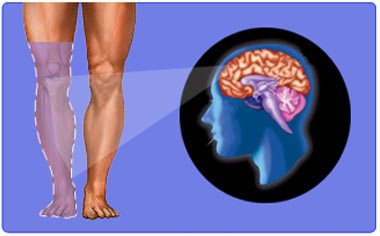
by Patrick Yang ’20 Amputation or severe neural damage can trigger phantom limb pain, chronic pain felt in a limb that is no longer present. Phantom pain, which is associated with a burning or hypersensitive sensation, has a wide range of duration – it can be as short as a few minutes or as long as a couple days. According to popular theory, maladaptive plasticity … Continue reading Phantom Limb Pain Caused by Sensorimotor Cortex Plasticity

Powering Biosensors with Magnets
by Michael D’Agati ’18 Some devices that aid human function, such as cochlear or real-time biosensors, only function inside the body. However, it is not practical to power them with batteries because of their potential toxicity and relatively short lifetimes. Because of these reasons, inductive coupling has been studied for wireless power transfer to these embedded biosensors. In other words, an external power source can … Continue reading Powering Biosensors with Magnets

Human Microbiome-Sequenced Data Yields an Antibiotic Candidate
by Jalwa Afroz ’17 Dr. John Chu and a team of researchers at Rockefeller University created a new bioinformatics approach in drug discovery to circumvent the need for bacterial culture and gene expression. Bacterial physiology is limited by the inability to culture most bacteria and also from the gene clusters silenced under lab fermentation conditions. The researchers set out to functionally characterize the data … Continue reading Human Microbiome-Sequenced Data Yields an Antibiotic Candidate

Toxic Hazards from Smartphones
by Rideeta Raquib ’19 Smartphones are an integral part of today’s society, but they are also a huge fire hazard. Lithium-ion batteries, commonly used in rechargeable devices, have a reputation of being susceptible to combustion. Dr. Jie Sun from the Institute of NBC Defense and the Tsinghua University in China collaborated to study the deleterious emissions of Li-ion batteries or LIBs. Two types of LIBs … Continue reading Toxic Hazards from Smartphones
A Newly Discovered Function of Cyclin A2, a Major Regulator of Cell Cycle Progression in Tumors
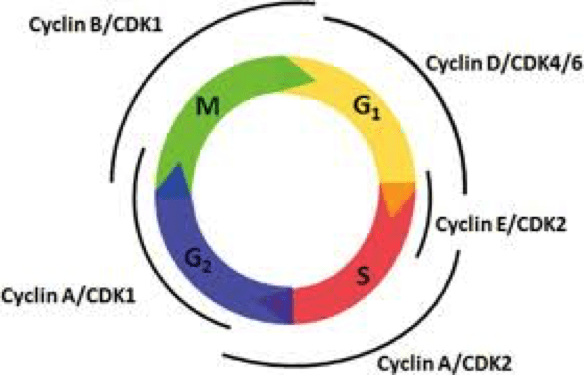
by Jalwa Afroz ’17 Regulation of the cell cycle is crucial to maintain appropriate cell growth, proper chromosome replication and segregation. Cyclin A2 is one of the many cell cycle regulators that activate cyclin-dependent kinases, Cdk1 and Cdk2, which form Cyclin A2-cdk complexes that activate transcription of DNA replication factors that promote progression through the cell cycle. Conditional cyclin A2 knockout mice revealed the … Continue reading A Newly Discovered Function of Cyclin A2, a Major Regulator of Cell Cycle Progression in Tumors
 Young Investigators Review