Orbitofrontal Cortex Studies May Pave the Way to Treating Social Anhedonia

Author: Kimberly Johnston, Class of 2026 Social anhedonia is a psychological condition characterized by a diminished ability to experience pleasure from social interactions and activities. It is associated with greater symptom severity and poorer response to treatment in individuals with Major Depressive Disorder (MDD). In individuals with MDD and social anhedonia, abnormalities in the orbitofrontal cortex (OFC) may hinder the brain’s ability to properly respond … Continue reading Orbitofrontal Cortex Studies May Pave the Way to Treating Social Anhedonia

Decoding Schizophrenia: Potential Mechanisms of the Schizophrenic Brain Could Lead to Novel Treatments

Author: Kimberly Johnston, Class of 2026 Schizophrenia (SCZ) is a mental disorder characterized by severe impairments in working memory (WM), a type of short-term memory responsible for temporarily storing and manipulating information needed to perform tasks, solve problems, and make decisions. A key region of the brain involved in this process is the medial prefrontal cortex (mPFC), which is active during internal thinking and deactivated … Continue reading Decoding Schizophrenia: Potential Mechanisms of the Schizophrenic Brain Could Lead to Novel Treatments

Watermelon Snow: A Medium for Antibiotic Resistance Research

Author: Marie Collison, Class of ‘25 A common adaptation of bacteria is antibiotic resistance, a very important field of study in microbiology and medicine. Antibiotic resistance genes (ARGs) can arise naturally and exist as an important natural survival tool for bacteria. ARGs have risen in frequency in human-inhabited regions as a result of increased use of antibiotics. As a result, there is growing concern over … Continue reading Watermelon Snow: A Medium for Antibiotic Resistance Research

Implications of the role sphingosine kinase 1 plays in the formation of tumors in p53 knockout mice

Author: Marie Collison ‘25 Cancer is a universally known disease that can be caused by a variety of defects in the genetic code of cells. A very important molecule in the regulation of cellular proliferation is the tumor suppressor protein 53, more commonly known as p53. Mutations or deletions in the p53 gene sequence are detected in the majority of cancers, including several subtypes of … Continue reading Implications of the role sphingosine kinase 1 plays in the formation of tumors in p53 knockout mice

Exploring Drug Repurposing for Lacunar Stroke Prevention

Author: Kimberly Johnston ’26 Drug repurposing is a strategy that aims to find new applications for drugs that have already been proven safe and effective in humans. Lacunar stroke, characterized by reduced blood flow to the deep structures of the brain, can significantly impair a person’s movement, speech, and cognitive functions. Preventative treatments typically focus on managing hypertension, diabetes, and high cholesterol as these conditions … Continue reading Exploring Drug Repurposing for Lacunar Stroke Prevention

Novel Therapeutic Insights to Barth Syndrome

Author: Sean Krivitsky ‘26 Barth syndrome is a rare, severe genetic disorder that primarily affects muscle development and the heart’s ability to efficiently pump blood. It is most common in males given that it is an X-linked disorder and it is known to significantly reduce life expectancy. Despite the severity of Barth syndrome, there are limited therapies available to treat this disease. This condition is … Continue reading Novel Therapeutic Insights to Barth Syndrome

EN1 Protein Has Been Recognized as Playing a Key Role in Pancreatic Cancer

Author: Sean Krivitsky ‘26 Pancreatic cancer stands out as one of the most severe forms of cancer, accounting for the third most cancer-related deaths. Pancreatic ductal adenocarcinoma (PDA) is a form of pancreatic cancer that involves a high degree of metastasis, which refers to the ability of the cancer to spread. This cancer develops as a result of mutations that result in the activation of … Continue reading EN1 Protein Has Been Recognized as Playing a Key Role in Pancreatic Cancer

Breast Cancer Insights and Potential Treatments

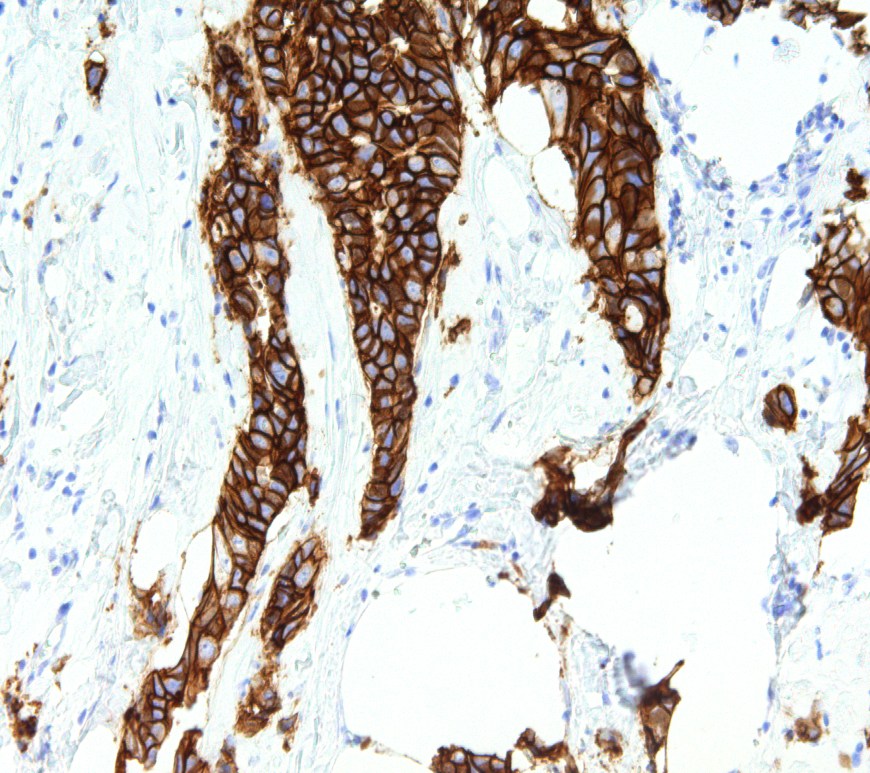
Sean Krivitsky ‘27 Figure 1. HER2 is a protein that has been strongly implicated in many human cancers, particularly breast cancer, and has been demonstrated to induce carcinogenesis through a variety of different mechanisms. This breast cancer tissue has been stained for HER2. Some of the latest research by Stephen J. Collins of the Miller lab, a part of Stony Brook University’s Department of Physiology … Continue reading Breast Cancer Insights and Potential Treatments

Exploiting Replication Fork and Checkpoint Mechanisms: ATR Signaling and Checkpoint Inhibitors Unveil New Avenues for Targeting Cancer Replication Stress

Justin Lim ’26 Figure 1: Breast cancer cells (1).jpg Cancer, a group of diseases characterized by uncontrolled and abnormal cell growth, is generally recognized by its genomic instability built up by bypassing important biological checkpoints. These checkpoints are scattered throughout a cell’s growth period to limit the amount of DNA replication errors and other deleterious mutations during cell division. Due to the evasion of growth … Continue reading Exploiting Replication Fork and Checkpoint Mechanisms: ATR Signaling and Checkpoint Inhibitors Unveil New Avenues for Targeting Cancer Replication Stress

Exciting New Approach to Targeting the Mitochondria to Fight Cancer

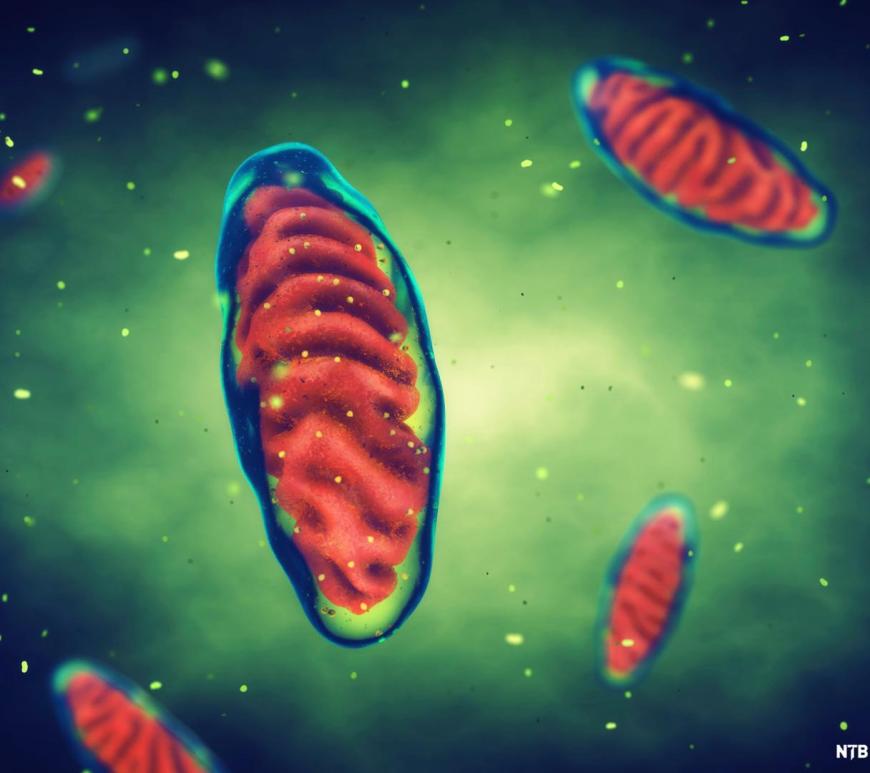
Sean Krivitsky ‘27 Figure 1. Visualization of the mitochondria Unbeknownst to many, the mitochondria plays a significant role in carcinogenesis given the importance of metabolic processes in the formation and maintenance of tumors. CPI-613, more commonly known as devimistat, is a recently developed drug that targets a key metabolic cycle that takes place in the mitochondria of cancer cells, the tricarboxylic acid (TCA) cycle. The … Continue reading Exciting New Approach to Targeting the Mitochondria to Fight Cancer

Improved initial assessments of severe skin burns allow for more accurate assertion of whether or not surgical intervention is required for healing

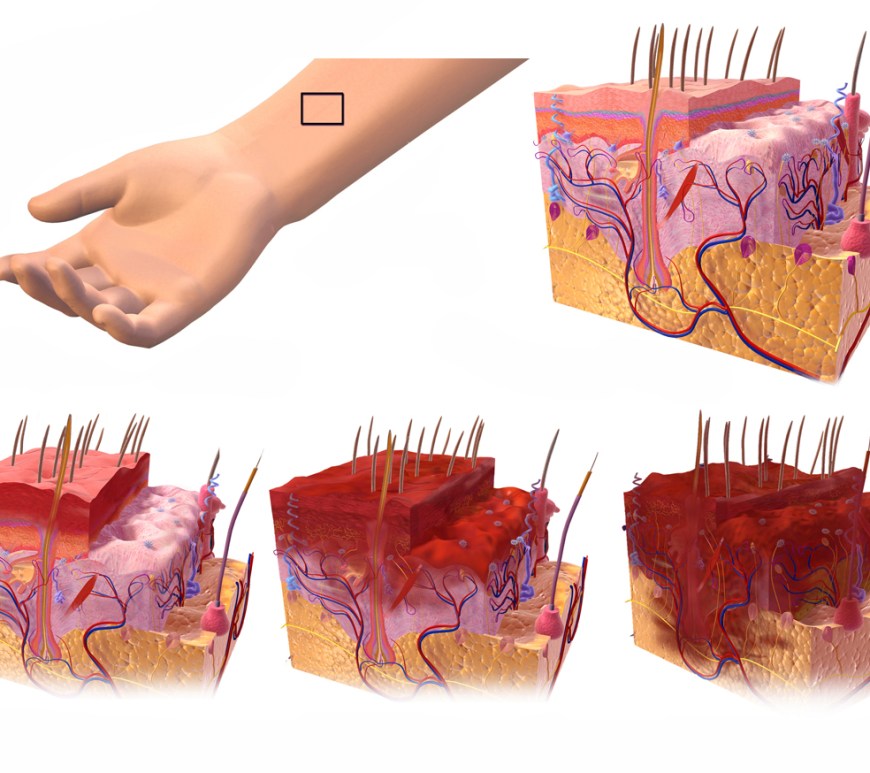
Maria Sazonova ’26  Burn injuries can result in significant skin necrosis and deep tissue damage. Severe skin burn injuries are dynamic and hard to predict; therefore, initial assessment is paramount because it forms the basis for a subsequent treatment plan. A group of Stony Brook University scientists led by M. Hassan Arbab, funded by The National Institute of General Medical Sciences, created a neural network … Continue reading Improved initial assessments of severe skin burns allow for more accurate assertion of whether or not surgical intervention is required for healing

AD-Linked Proteins Linked to Cognitive Impairment Following 9/11 WTC Exposure

Vignesh Subramanian ’24 Figure 1: The South Pool of the 9/11 Memorial in New York, New York Alzheimer’s disease (AD) is a neurodegenerative disorder characterized by a progressive loss of memory and cognitive thinking skills that typically worsens with age, and is the leading cause of dementia. Key hallmarks of the disease include buildups of two particular proteins – beta-amyloid peptide and phosphorylated tau – … Continue reading AD-Linked Proteins Linked to Cognitive Impairment Following 9/11 WTC Exposure