Where Do We Feel Love?

Julia Chivu ‘ 23 Figure 1  A person looking off to the side while clutching a neon red heart in a dimly lit environment.  Love has compelled psychologists, philosophers, neuroscientists, and other scholars to try and understand its complexities and implications. Researchers from Aalto University sought to understand how 27 different types of love, including parental, romantic, sexual, and religious love, are perceived and experienced … Continue reading Where Do We Feel Love?

Nicotine exposure discovered to block aromatase activity in healthy women

Jessica George ’24 Figure 1 Nicotine use disorder has a profound impact on hormones, yet sex differences are poorly understood. Maintaining a harmonious sex-hormone balance is essential for the optimal functioning of the body, as it regulates a wide range of physiological processes. Aromatase serves as the critical enzyme responsible for the conversion of androgens into estrogens, a process fundamental to functions associated with emotional … Continue reading Nicotine exposure discovered to block aromatase activity in healthy women

Microglial Depletion Promotes Maternal Behavior in Nulliparous Rats

Vignesh Subramanian ’24 The period during and immediately following childbirth, known as the peripartum period, is marked by major changes in the mother’s hormone levels, immune function, and neurological activity. These changes include structural brain alterations with a significant impact on postpartum behaviors, such as maternal-infant bonding, that are essential for the well-being of the offspring. Many neuroimmune alterations emerging in late pregnancy remain unclear … Continue reading Microglial Depletion Promotes Maternal Behavior in Nulliparous Rats

Bupropion as a Possible Treatment for COVID-19-Related Brain Fog

Jessica George ’24 The COVID-19 pandemic has affected millions of people worldwide, and many have reported persistent symptoms even after recovery from the initial infection. One of the most common long-term symptoms reported is “brain fog,” a condition characterized by cognitive impairments such as memory loss, difficulty concentrating, and mental fatigue. A recent case series published by Dr. Samuel Reinfeld from the Stony Brook University … Continue reading Bupropion as a Possible Treatment for COVID-19-Related Brain Fog

Dancing on the Way to Good Health: The Implications for Culturally Relevant Dancing in the Latino Older Adult Population

Peter Gillespie ’25 Figure 1  Merengue, cha-cha cha, bachata, and salsa are four popular forms of dancing that have the potential to increase physical activity, thereby helping to prevent cognitive decline. Physical activity is crucial in improving the health of older individuals. Within the Latino community, there is a rich cultural history of various genres of dance that may help promote  widespread physical activity among … Continue reading Dancing on the Way to Good Health: The Implications for Culturally Relevant Dancing in the Latino Older Adult Population

Pandemic year brought on exacerbation of race, gender, and geographical disparities of drug overdoses

By: Jessica George, Class of 2024 The opioid epidemic has been a major public health crisis in the United States for several decades; fentanyl, a synthetic opioid, has emerged as a significant contributor to the increase in drug overdose deaths in recent years. Given the prevalence and gravity of this problem, it is imperative to investigate any discrepancies that may exist between populations so as … Continue reading Pandemic year brought on exacerbation of race, gender, and geographical disparities of drug overdoses

Fighting opioid mortality rates with AI-based forecasts using social media language

By Shahzadi Adeena, Class of 2025 Figure 1:  Pill container laying on counter with cap off The United States has been battling an opioid epidemic for over twenty years, with opioid-related deaths increasing by 350% in this period. A critical obstacle is that the driving force (such as usage of prescription drugs or synthetic opioids) differs within communities and over time. Current methods to follow … Continue reading Fighting opioid mortality rates with AI-based forecasts using social media language

Development of Innovative Burn Assessment Technique Using Neural Network

Julia Chivu ’23 The current burn injury evaluation methods available for clinical use are ineffective and outdated. These circumstances are problematic as the initial injury assessment is necessary to ensure the best clinical treatment plan for the patient. Burns can lead to deep tissue damages, necrosis, and severe scarring. Without a proper course of action, the injury can negatively impact the patient’s quality of life, … Continue reading Development of Innovative Burn Assessment Technique Using Neural Network

Predicting the Future: The Prognostic Value of Tumor Budding and Microenvironment in Colon Cancer

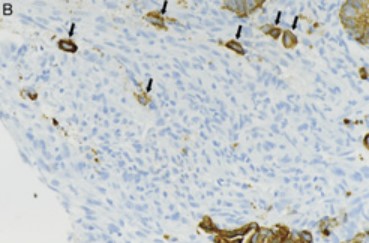
Peter Gillespie ’25 Can the success of cancer treatment be predicted before treatment begins? Findings from Dr. Wen and his colleagues at Stony Brook Medicine suggest that certain characteristics of the tumor and the microenvironment can predict the success of treatment in colon cancer patients. Dr. Wen and colleagues investigated the prognostic ability of intratumoral budding, which is the presence of one or a few … Continue reading Predicting the Future: The Prognostic Value of Tumor Budding and Microenvironment in Colon Cancer

What’s better: negative-pressure wound therapy or standard surgical dressings?

By Shahzadi Adeena, Class of 2025 Figure 1: Health professional holding rolled out gauze Doctors seek to improve post-operative care, as it is a critical aspect of surgery that determines success or infection. Following a surgical procedure, it is routine to apply standard surgical dressings (SSDs) on patients to promote healing and prevent infection. Modern surgical dressings are usually gauze dressings made of cotton, rayon, … Continue reading What’s better: negative-pressure wound therapy or standard surgical dressings?

Black Patients More Likely Than White Patients to Suffer Negative Outcomes After Spine Surgery

By: Jessica George, Class of 2024 Figure 1: Disparities in healthcare outcomes may be due to systemic biases in healthcare delivery Racial disparities in healthcare outcomes have been well-documented in numerous studies, including those focused on surgical procedures. Despite advances in surgical techniques and technologies, disparities in surgical outcomes persist, with some racial and ethnic groups experiencing worse outcomes than others. Understanding the factors that … Continue reading Black Patients More Likely Than White Patients to Suffer Negative Outcomes After Spine Surgery

Potential for Macrophage Cell Cultures to Produce New Medications

Julia Chivu ’23 Macrophages typically dominate the immune system with broad responsibilities related to cell repair, immune response, and homeostasis. However, macrophages also have organ-specific functions embedded into their epigenetic makeup. These powerful and specialized cells may be used in various macrophage therapies that can impact both humans and animals. In spite of this astounding potential, these treatment options are not available yet since scientists … Continue reading Potential for Macrophage Cell Cultures to Produce New Medications