Battlefront: The Nano DLC

By Farzad Hoque, Class of 2028 On the battlefield, the adjacent role of nanocarriers is logistical. They provide munitions support and focused attention to the battlefield. In the body, the focus is on how these nanocarriers can improve the fight against cancer–specificity, reduce toxicity, and sustain the efficacy of immunological agents–all by modulating the antitumor immune response. In prior wars with cancer, the body’s arsenal … Continue reading Battlefront: The Nano DLC

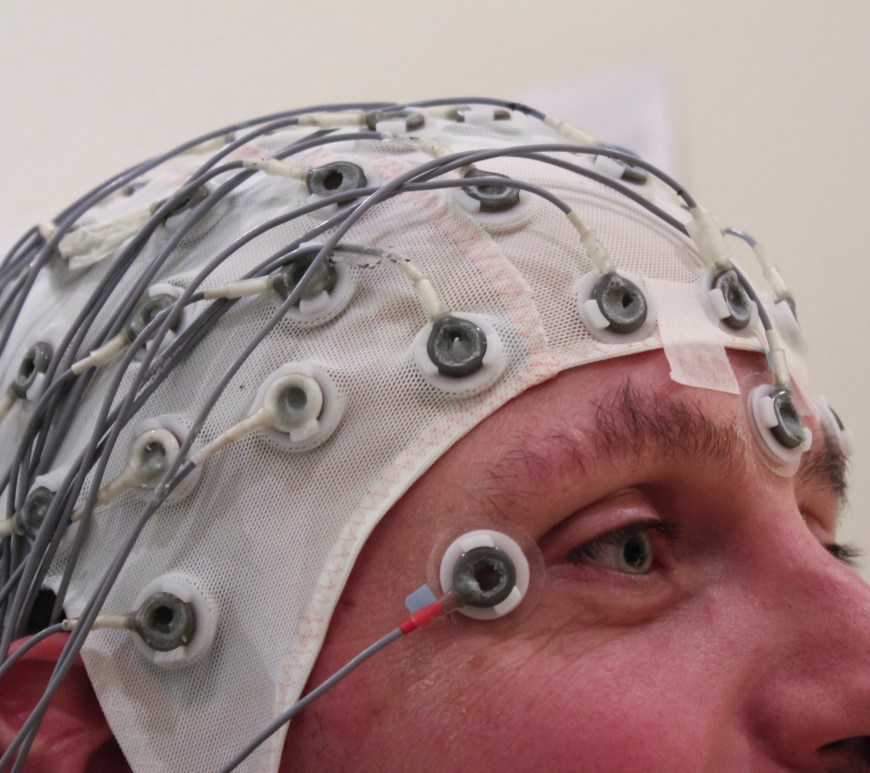
EEG Research in Maternal Health – Implications and Resolutions of Racial Disparities

Author: Luis Caseñas, Class of 2026 Figure 1: EEG cap and electrodes placed on the head of a participant; the blunt nature of these electrodes works better with hair types from a white population rather than black. Maternal health refers to mothers’ physical and mental well-being during pregnancy, childbirth, and postpartum. In the study of maternal health, electroencephalography (EEG), which generates event-related potentials (ERPs), is … Continue reading EEG Research in Maternal Health – Implications and Resolutions of Racial Disparities

Telemedicine Visits: Alternative Approach to Healthcare?

Author: Amal Bilal, Class of 2028 Figure 1: Doctor and patient using telemedicine. Telemedicine has become increasingly popular because of its ability to increase savings for patients and providers, reduce hospital readmissions, and enhance patient quality of care. The COVID-19 pandemic saw an 80% decline in in-person health visits and a 683% increase in telemedicine visits between March 2 and April 14, 2020 (1). Teleophthalmology, … Continue reading Telemedicine Visits: Alternative Approach to Healthcare?

Understanding the Mechanisms of the Leading Cause of Death in Cancer Patients

Author: Sean Krivitsky, Class of 2026 Figure 1. Animated representation of the release of cytokines in the extracellular environment. Cancer is a disease that wreaks devastation on the bodies of the patients it afflicts. Cancerous tumor cells lead to the sickness observed in cancer patients in a variety of ways, but one of the primary causes of cancer-related sickness and death is referred to as … Continue reading Understanding the Mechanisms of the Leading Cause of Death in Cancer Patients

Skill Issue: The Effect of FPS Games on Cortical Activity

Author: Ishmam Khan, Class of 2025 Figure 1: The FPS genre of gaming has widespread connections around the world, demonstrating its popularity The FPS, or first-person shooter, genre of gaming has a controversial history. In the 1990s, there was a scare regarding the impact such games would have on children. Some worries included, but were not limited to: increased levels of aggression, poor emotional and … Continue reading Skill Issue: The Effect of FPS Games on Cortical Activity

What do Machines Know of Depression? Explaining Past Failures of Clinical Algorithms About MDD

Author: Ishmam Khan, Class of 2025 Figure 1: MDD is a devastating, extremely common, and fast-growing disease in terms of suffering, mortality, and cost to society. Since COVID-19, the rates of mental health disorders have increased significantly. One such disorder is Major Depressive Disorder (MDD), a serious disorder affecting more than 8% of the US population. As of 2024, the remission rates, or rate of … Continue reading What do Machines Know of Depression? Explaining Past Failures of Clinical Algorithms About MDD

Modeling Debris Patterns in the Antarctic to Protect Biodiversity

Marie Collison, Class of ‘25 Image 1 Gentoo penguins in Antarctica Marine pollution is a prominent problem in environmental policy and study. Reports of pollution in organisms in the Antarctic are becoming increasingly common, likely due to increasing human activity, growing tourism, and an expanding krill fishing industry. However, the sources of these pollutants along the West Antarctic Peninsula are still poorly understood. There are … Continue reading Modeling Debris Patterns in the Antarctic to Protect Biodiversity

Uncovering a Novel Biomarker For The Identification of Parkinson’s-Related Diseases

Author: Sean Krivitsky, Class of 2026 Parkinson’s disease is a severe neurodegenerative disorder most commonly occurring in late adulthood. It is primarily characterized by motor dysfunctions such as uncontrollable tremors and stiffness. Since there is no conclusive test for diagnosis of the disorder, neurologists rely on a comprehensive evaluation system, combining symptoms and physical assessments to gauge the likelihood that an individual has Parkinson’s. A … Continue reading Uncovering a Novel Biomarker For The Identification of Parkinson’s-Related Diseases

Mysterious Long Non-Coding RNAs Revealed as Playing a Role in Gastric Cancer

Author: Sean Krivitsky, Class of 2026 To the astonishment of many, nearly 99% of the human genome consists of non-coding regions that are not transcribed into mRNAs for protein synthesis. However, some of those non-coding regions of DNA can be transcribed into various types of non-coding (nc) RNAs, including long ncRNAs. Until recently, the scientific community believed these ncRNA products to be functionally irrelevant, playing … Continue reading Mysterious Long Non-Coding RNAs Revealed as Playing a Role in Gastric Cancer

Inhibition of Hydrolytic Enzyme May Protect Against Manifestation of AD-Linked Phenotypes

Author: Vignesh Subramanian, Class of 2024 Figure 1: Barnes maze tests were performed to assess the spatial reference memory of the knock-in AD mouse models. Alzheimer’s disease (AD) is a progressive, neurodegenerative disease characterized by significant memory loss and cognitive decline that worsen with age. While the disease’s long-established hallmarks include the aggregation of two misfolded proteins known as beta-amyloid and phosphorylated tau, recent research … Continue reading Inhibition of Hydrolytic Enzyme May Protect Against Manifestation of AD-Linked Phenotypes

Neuroprotective Therapies Capable of Ameliorating Ischemic Injury in Post-Thrombectomy Care

Vignesh Subramanian, Class of 2024 Figure 1: A thrombectomy is a surgical procedure aimed at removing blood clots lodged in an artery of the brain. A stroke is a medical emergency in which blood flow to the brain is disrupted. Strokes may be ischemic (lacking blood supply to brain tissue due to a blocked artery) or hemorrhagic (involving bleeding into the brain tissue due to … Continue reading Neuroprotective Therapies Capable of Ameliorating Ischemic Injury in Post-Thrombectomy Care

Linking Key Immune System Components to Cancer Progression

Author: Sean Krivitsky, Class of 2026 Breast cancer is the most frequently diagnosed form of cancer in the world and is one of the leading causes of cancer-related deaths. Triple-negative breast cancer (TNBC), a common type of breast cancer, is fast-growing and is associated with consistent poor prognosis. Unlike several other types of breast cancer, TNBC possesses a unique pathogenic mechanism, which means that it … Continue reading Linking Key Immune System Components to Cancer Progression