







Response Inhibition Control in Migraineurs
Wendy Wu ’22 Migraine is a neurological disorder characterized by frequent headaches, particularly prevalent in women. Much research has gone into identifying the causes of migraines with the hope of increasing preventative measures and developing treatment. Although evidence suggests that migraines are caused by an imbalance of cortical excitatory and inhibitory processes, there is little empirical data of actual pathophysiological features underlying response inhibition in … Continue reading Response Inhibition Control in Migraineurs


Visual cues aid in perceiving accented speech
Priyanshi Patel ’22 Previous research has shown that lip reading helps understand difficult speech. However, little research has been conducted on the role of visual information in perceiving accented speech, a type of difficult speech. Communication between native and nonnative English speakers is very common, especially on university campuses. There often exists a language barrier between native students and international students or instructors or teaching … Continue reading Visual cues aid in perceiving accented speech

Lower reaction levels in mothers to their child result in insensitive parenting
Joyce Chen ’23 A mother’s greatest task is to provide a nurturing environment for her child to grow, blossom, and thrive in. The absence of maternal love in a child’s life will cause a strain on the bond between the mother and her child. These neglectful mothers, also known as high-risk mothers, have insensitive reactions to their children’s needs. They rarely respond to their children’s … Continue reading Lower reaction levels in mothers to their child result in insensitive parenting

The Truth Behind the Marie Antoinette Syndrome
Yukta Kulkarni ’22 Before her execution in 1793, French queen Marie Antoinette noticed that her hair was suddenly turning white. Although this story is just folklore, there may be some truth to it in regards to the Marie Antoinette Syndrome, a condition in which one’s hair abruptly turns white. To further explore this syndrome, Zhang et al. designed an experiment measuring the rate of hair … Continue reading The Truth Behind the Marie Antoinette Syndrome

Circadian rhythm directly influences muscle performance in Olympic swimmers
Joyce Chen ’23 Organisms have a specialized inner clock known as the circadian rhythm, which is regulated by the Suprachiasmatic Nucleus (SCN) in the hypothalamus of the brain. Throughout the day, circadian rhythms in the body have direct control over physiological functions, including muscle strength and flexibility. Despite its relevance, there is a lack of research on the effects of circadian rhythms on Olympic athletes. … Continue reading Circadian rhythm directly influences muscle performance in Olympic swimmers

Napping appears to have significant beneficial effects on long-term memory-retention over cramming
Priyanshi Patel ’22 Currently, there is extensive research on the cognitive effects of daytime naps, but not whether naps are a practical way to assist learning. Naps can reduce the likelihood of forgetting episodic memory consisting of life events and experiences. Prior research surrounding memory improvements have led to the idea that naps may be used as a pedagogical tool. However, there is little evidence … Continue reading Napping appears to have significant beneficial effects on long-term memory-retention over cramming

Monkey Behavior Aids In Understanding Human Cognition
Yukta Kulkarni ’22 The human brain’s prefrontal cortex plays an important role in cognitive behavior. It contains several sections including the lateral prefrontal cortex (LPFC), which is associated with working memory, reasoning, and planning; and the orbitofrontal cortex (OFC), which directs reversal and reinforcement learning, reward evaluation, and alternative option evaluation. These structures are also present in animals and have similar functions. To learn more … Continue reading Monkey Behavior Aids In Understanding Human Cognition

Music to One’s Ears: Familiarity and Music Engagement in People With Parkinson’s Disease
Thumyat Noe ’23 Parkinson’s disease is a brain disorder characterized by loss of dopamine and reduced innervation of neural structures that are responsible for coordination of motor movements. Affected individuals often have difficulty walking and maintaining balance. However, music has been shown to be a helpful external cue that reduces these symptoms. Research shows that exposure to music activates brain regions that are closely related … Continue reading Music to One’s Ears: Familiarity and Music Engagement in People With Parkinson’s Disease

Literacy Training of Kindergarten Children With Pencil, Keyboard or Tablet Stylus: The Influence of the Writing Tool on Reading and Writing Performance at the Letter and Word Level
Thumyat Noe ’23 Handwriting has always been an important mode of writing, but recently type-writing on digital devices is becoming more common than handwriting. Nowadays, children are able to write for the first time by typing on a digital device before they learn how to handwrite. Some elementary schools have implemented initial literacy training using digital devices to facilitate literacy skills in students. As literacy … Continue reading Literacy Training of Kindergarten Children With Pencil, Keyboard or Tablet Stylus: The Influence of the Writing Tool on Reading and Writing Performance at the Letter and Word Level
Compartmental function and modulation of the striatum
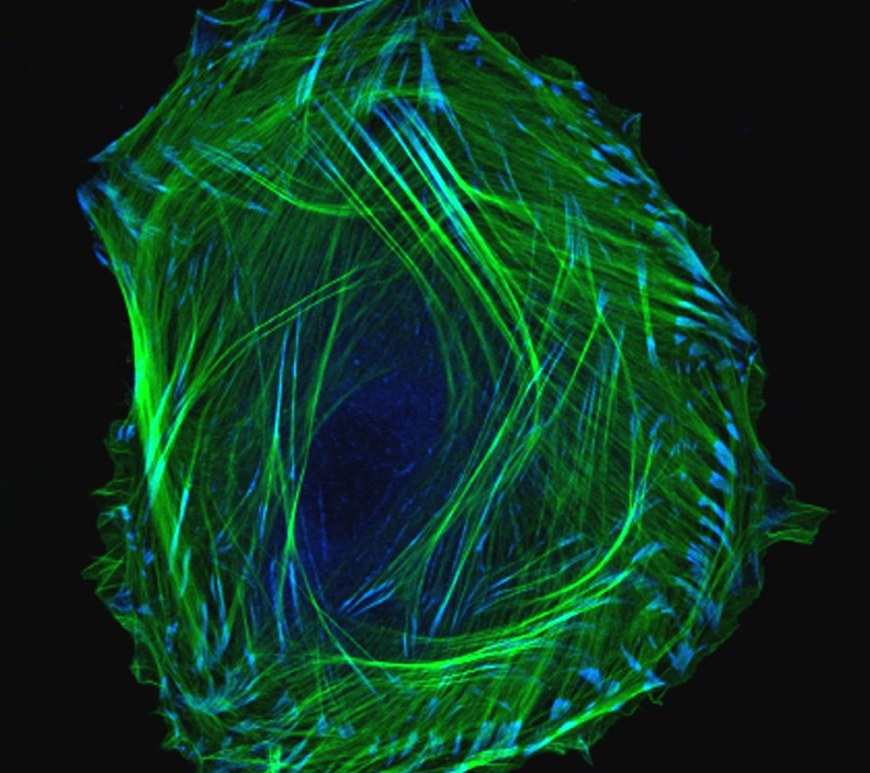
Sabah Bari ‘24 The striatum is one of the main input areas of the basal ganglia, a neuronal circuit necessary for voluntary movement control. It is a critical component of motor control, action selection and reward systems within the brain. Almost all elements of the brain’s reward circuit are modulated during social behavior. The striatum has two main efferent pathways. There are 2 main efferent … Continue reading Compartmental function and modulation of the striatum

The association between digital screen time and myopia: A systematic review
Sabah Bari ‘24 With the advancement of technology and the creation of new digital platforms, many individuals have experienced an increase in screen time, which may heighten the risk for many health-related issues, especially in the eyes. Myopia, also known as nearsightedness and shortsightedness, is a condition in which parallel rays are focused in front of the retina. Light rays converge to a focal point … Continue reading The association between digital screen time and myopia: A systematic review
Discovering the Role of the Neuropilin Pain Pathway in Asymptomatic COVID-19 Cases
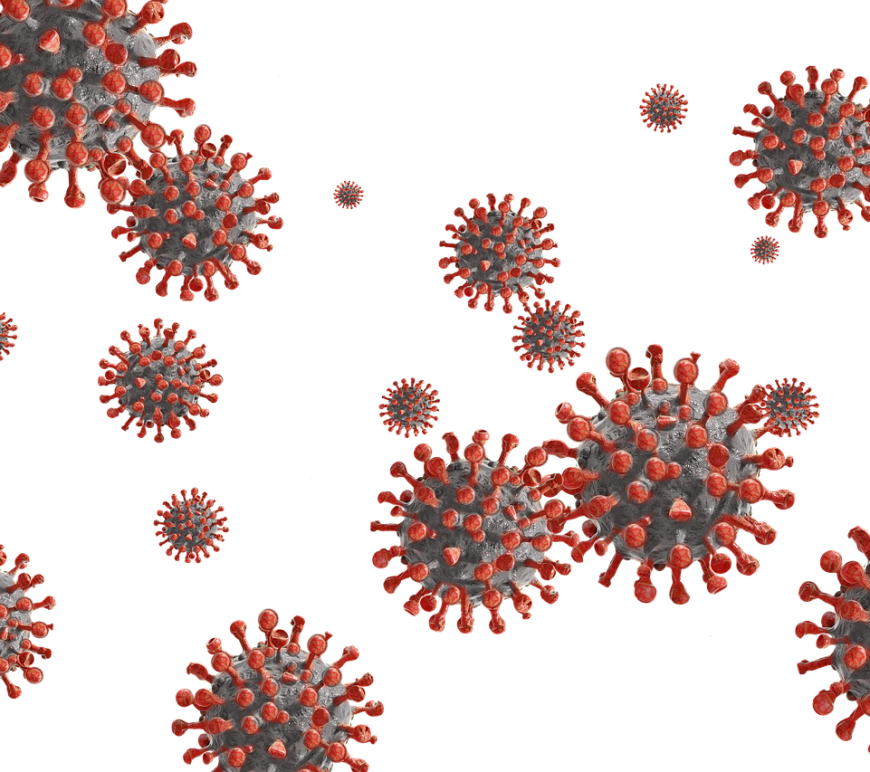
Aditi Kaveti ’23 In the United States, there have been more than 7 million documented cases of COVID-19, leading to over 200,000 deaths nationwide. This high number of cases is due to the rapid spread of the deadly disease, which is caused by a virus called SARS-CoV-2. Many researchers believe that the rapid spread can be in part attributed to a high number of asymptomatic … Continue reading Discovering the Role of the Neuropilin Pain Pathway in Asymptomatic COVID-19 Cases
 Young Investigators Review