


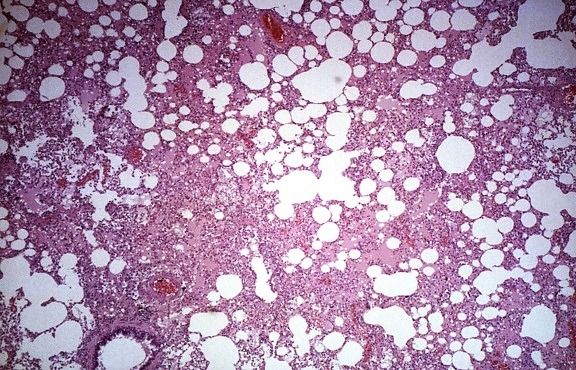




Inhibition of RAD51 Repair Protein Enhances Radiotherapy
Patrick Yang ‘20 Despite intensive radiotherapy and treatment, glioblastoma, an aggressive form of brain cancer, is often fatal. It is widely believed that a subgroup of glioblastoma cells, called glioblastoma stem cells, is responsible for treatment resistance because the cancer’s DNA damage response is localized in these cells. The discovery and manipulation of the mechanism for the upregulation of DNA damage response in glioblastoma stem … Continue reading Inhibition of RAD51 Repair Protein Enhances Radiotherapy

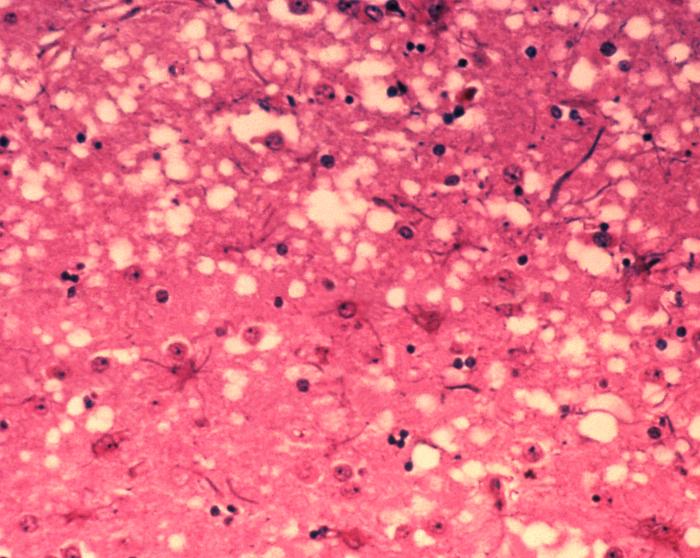
New Blood Test Detects Variant Creutzfeldt-Jakob Disease
Patrick Yang ’20 Variant Creutzfeldt-Jakob disease (vCJD), commonly known as the human form of mad cow disease, is a neurodegenerative condition that is transmitted from infected cattle to humans. The disease’s long incubation stage allows for an asymptomatic period when prions, or infectious proteins, multiply in the brain with no sign of infection. On average, infected individuals die one to two years after onset of … Continue reading New Blood Test Detects Variant Creutzfeldt-Jakob Disease

Having Older Siblings May Change Symptoms of Autism
By Amanda Ng ’17 Children of all ages, regardless of their development, are affected by their relationships with their siblings. This is also true of children with autism, a life-long disorder that causes social deficits. Although autism can cause children to have trouble interacting in social settings, some previous research has suggested that having siblings can increase their social communication skills, causing them to act … Continue reading Having Older Siblings May Change Symptoms of Autism

Research on the presence of carcinogenic compounds in Nigerian smoked fish
by Aaradhana Natarajan ’20 Smoked fish makes up nearly 61% of the dry fish produced in Nigeria. While smoking is a common technique for meat preservation, wood smoke typically produces Polycyclic aromatic compounds (PAHs), which then saturate the fish meat. Professor Isioma Tongo and researchers at the University of Benin in Nigeria studied the concentration of PAHs in four local species of smoked fish and … Continue reading Research on the presence of carcinogenic compounds in Nigerian smoked fish

Authenticity is Key for Successful Relationships
By Amanda Ng ’17 Past research has been consistent in acknowledging the importance of open communication in relationships. However, it is often debated whether self-expression must be authentic to benefit the relationship, or whether a perception of authenticity is enough. Research in this field has shown that authenticity is positively linked with attachment security and caregiving responsiveness. However, this work has depended largely on an … Continue reading Authenticity is Key for Successful Relationships
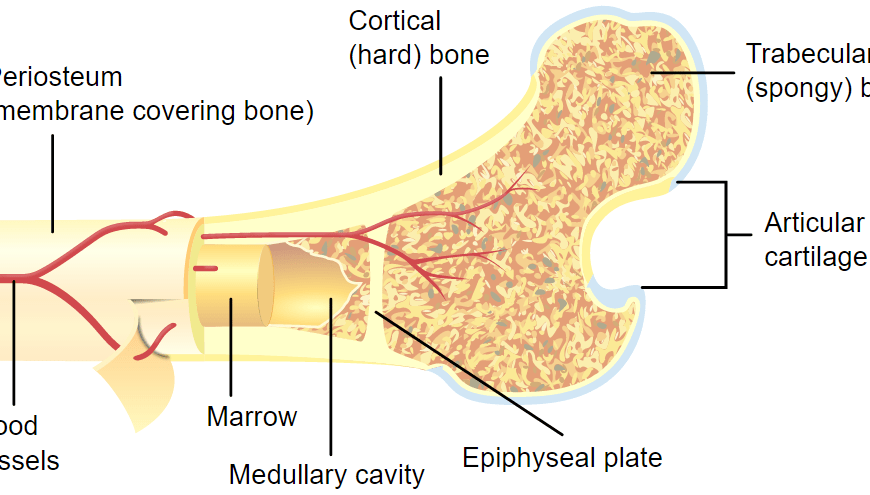
Study examines the effect of exosomes on osteochondral regeneration
by Aaradhana Natarajan ’20 Adult mesenchymal stem cells (MSCs) are effective in osteoarithritic repair of bone cartilage. Currently, the efficacy of stem cell treatments has been ascribed to the exosomes released by the MSCs. Dr. Zhang and researchers at the National University of Singapore recently investigated the ability of MSC exosomes to treat osteochondral defects. Researchers created osteochondral defects on the trochlear grooves on the … Continue reading Study examines the effect of exosomes on osteochondral regeneration

Anxious Anxiety Related to Financial Stress Vulnerability
By Amanda Ng ’17 Past research has shown that for most people, financial stress can lead to certain maladaptive behaviors, such as negative feelings or aversion of this stress altogether. However, some individuals seem to be more susceptible to financial stress than others. Psychologists have explored several theories concerning this susceptibility, one of which involves analyzing an individual’s level of attachment anxiety and higher levels … Continue reading Anxious Anxiety Related to Financial Stress Vulnerability

Curcumin has the potential to alterations caused by ischemia
by Aaradhana Natarajan ’20 Ischemia can result when blood flow is severely reduced. The lack of sufficient oxygen and glucose causes cells to inflame as the body tries to regain homeostasis. Dr. Glaura Fernandes Teixeira de Alcântara and researchers at Estacio of Juazeiro da Norte in Brazil studied the neuroprotective ability of curcumin for global cerebral ischemia in the hippocampus. The researchers used a rat … Continue reading Curcumin has the potential to alterations caused by ischemia

Solar Cells Could Power Medical Implants
By Rideeta Raquib ‘19 Electronic implants are usually powered by batteries. Rechargeable batteries, which are rare, require continuous charging and primary batteries require implant replacements if they are completely used up. Thus, lead researcher Dr. Lukas Bereuter, and his research team at the University of Bern in Switzerland investigated whether sunlight could serve as an alternative source of energy to power medical implants. Models … Continue reading Solar Cells Could Power Medical Implants
Omega-3 Supplements Tackle Asthma in Children
By Rideeta Raquib ‘19 Fish oil is an essential food that is often recommended to boost Omega-3 fats. An insufficient consumption of n-3 long-chain polyunsaturated fatty acids (LCPUFAs) may contribute towards wheezing disorders. A study conducted at the University of Waterloo analyzed the effect of supplementation with n-3 LCPUFAs in pregnant women on the risk factor of acquiring asthma or wheezing disorders … Continue reading Omega-3 Supplements Tackle Asthma in Children

The Key to Youth Via Senescent Cell Removal
Researchers believe the key to anti-aging may be the removal of senescent cells Rideeta Raquib ‘19 As individuals age, the ability of tissues to carry out adequate function deteriorates and age-related diseases become more prominent. Senescent cells are found in huge quantities of these diseases, but there is not much research done regarding whether these cells caused such degeneration. Senescence occurs when cell … Continue reading The Key to Youth Via Senescent Cell Removal
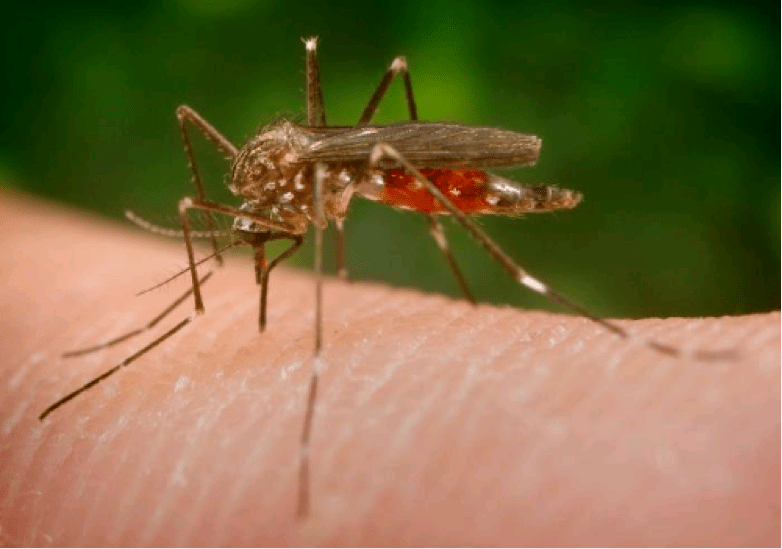
Isolated Antibodies Protect Against Zika in Mice
An antibody found in humans might be able to fight the Zika virus which is transmitted through mosquitos. Patrick Yang ‘20 Zika virus’s 2015-2016 outbreak that infected more than 80,000 people gained much attention because of the severe birth defects caused by it. Although Zika is no longer an international public health emergency, treatment and preventative measures must still be developed in anticipation for a … Continue reading Isolated Antibodies Protect Against Zika in Mice
 Young Investigators Review