Modeling Marine Turtle Nesting Behavior

By: Kimberly Johnston, Class of 2026 Figure 1: A marine turtle Adult female marine turtles alternate between foraging and nesting phases, with periods of migration in between. Monitoring programs typically obtain data for only part of the nesting season due to a lack of financial support, remote beaches, or a large number of beaches to monitor. To accurately assess population trends, a model must be … Continue reading Modeling Marine Turtle Nesting Behavior

Penguin Nesting Behavior: Effects of Tourism at Port Lockroy

By: Kimberly Johnston, Class of 2026 Figure 1:  Gentoo penguin with chicks at Port Lockroy, Antarctica. Antarctic tourism has raised concerns about the effects of human disturbance on gentoo penguins during their breeding season, which coincides with peak tourist activity. For example, the movement of zodiacs used to transport tourists ashore can disrupt the penguins’ normal routes and foraging areas. However, quantifying the effects of … Continue reading Penguin Nesting Behavior: Effects of Tourism at Port Lockroy

Mature Oligodendrocytes Demonstrate Delayed Cell Death by Alternate Mechanism

By Vignesh Subramanian, Class of 2024 Figure 1: A myelinating oligodendrocyte in a murine brain.  Oligodendrocytes are specialized glial cells in the central nervous system primarily responsible for myelination, the process of ensheathing the axons of neurons in a lipid-rich membrane known as myelin, which insulates the nerve fibers and speeds up the transmission of the action potentials they conduct. Oligodendrocytes are the products of … Continue reading Mature Oligodendrocytes Demonstrate Delayed Cell Death by Alternate Mechanism

Childhood Maltreatment as a Predictor of Neural Activity During Postpartum

Marie Collison, Class of ‘25 Individuals who have experienced childhood maltreatment (CM) in their past have a greater risk of exhibiting behaviors of maltreatment towards their own children. As such, it is important to understand how mothers may respond to their infant cues in context with their past experiences, especially during the often tumultuous postpartum (after-birth) period. Prior research has established that brain responses in … Continue reading Childhood Maltreatment as a Predictor of Neural Activity During Postpartum

Understanding SSRI Withdrawal: Insights Into the Complex Journey

By: Marie Collison, Class of ‘25 Depression is a very common and impairing condition, often resulting in costly care. Selective serotonin reuptake inhibitors (SSRIs) are commonly prescribed as a part of treatment; however, 30–50% of individuals who are prescribed antidepressants do not take them long-term. There are many reasons why a patient may decide to stop taking their medication, such as experiencing negative side effects … Continue reading Understanding SSRI Withdrawal: Insights Into the Complex Journey

Modeling Debris Patterns in the Antarctic to Protect Biodiversity

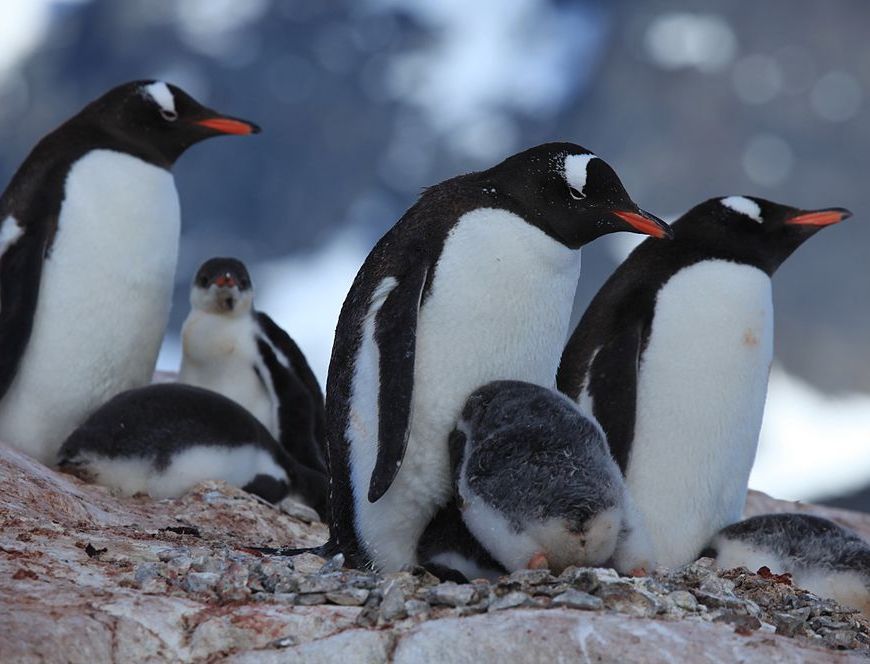
Marie Collison, Class of ‘25 Image 1 Gentoo penguins in Antarctica Marine pollution is a prominent problem in environmental policy and study. Reports of pollution in organisms in the Antarctic are becoming increasingly common, likely due to increasing human activity, growing tourism, and an expanding krill fishing industry. However, the sources of these pollutants along the West Antarctic Peninsula are still poorly understood. There are … Continue reading Modeling Debris Patterns in the Antarctic to Protect Biodiversity

Neuroprotective Therapies Capable of Ameliorating Ischemic Injury in Post-Thrombectomy Care

Vignesh Subramanian, Class of 2024 Figure 1: A thrombectomy is a surgical procedure aimed at removing blood clots lodged in an artery of the brain. A stroke is a medical emergency in which blood flow to the brain is disrupted. Strokes may be ischemic (lacking blood supply to brain tissue due to a blocked artery) or hemorrhagic (involving bleeding into the brain tissue due to … Continue reading Neuroprotective Therapies Capable of Ameliorating Ischemic Injury in Post-Thrombectomy Care

Watermelon Snow: A Medium for Antibiotic Resistance Research

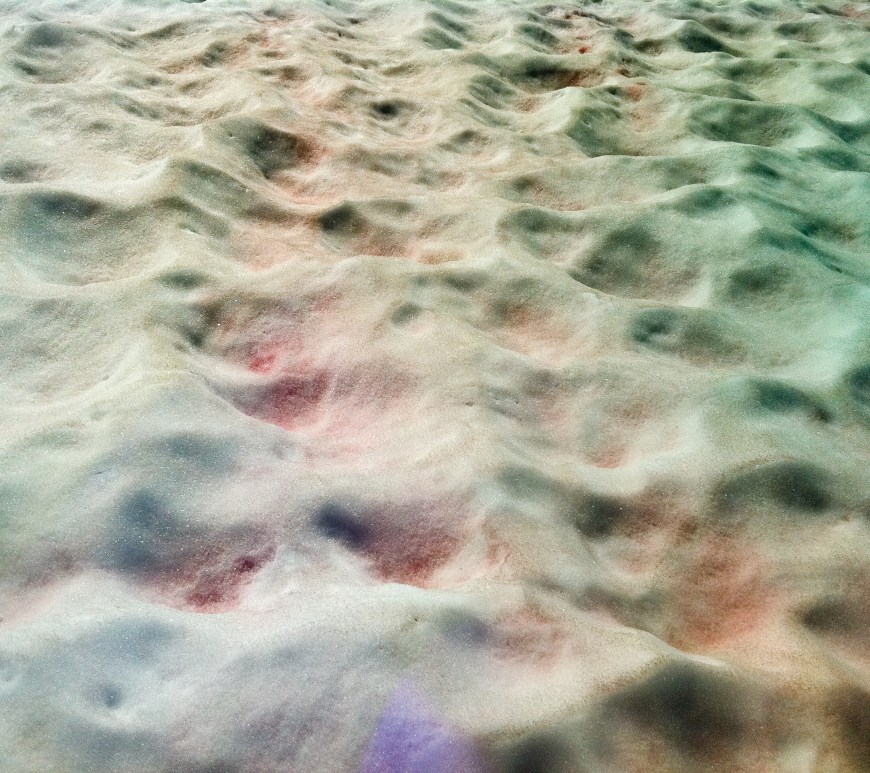
Author: Marie Collison, Class of ‘25 A common adaptation of bacteria is antibiotic resistance, a very important field of study in microbiology and medicine. Antibiotic resistance genes (ARGs) can arise naturally and exist as an important natural survival tool for bacteria. ARGs have risen in frequency in human-inhabited regions as a result of increased use of antibiotics. As a result, there is growing concern over … Continue reading Watermelon Snow: A Medium for Antibiotic Resistance Research

Exploring the Biodiversity Inhabiting Sponges of the Great Barrier Reef

Author: Marie Collison, Class of ‘25 Sponges are a diverse group of multicellular organisms that inhabit aquatic ecosystems all over the globe. Scientists estimate that there are over 9000 unique species of sponges. The vast diversity of sponges enables them to provide a diverse range of habitats for a variety of aquatic taxa. They provide structure to environments that otherwise have minimal variation in elevation. … Continue reading Exploring the Biodiversity Inhabiting Sponges of the Great Barrier Reef

Is Chamomile Actually a Risk for Surgery?

Author: Marie Collison, Class of ‘25 Chamomile is a plant that is widely used in herbal medicine for a wide variety of reasons. It has been reported to have anti-inflammatory, antioxidant, anticarcinogenic, antidepressive, and sedative properties. Despite these benefits, current medical recommendations list chamomile as a substance that should not be ingested prior to surgery due to fears that it may increase the risk of … Continue reading Is Chamomile Actually a Risk for Surgery?

Implications of the role sphingosine kinase 1 plays in the formation of tumors in p53 knockout mice

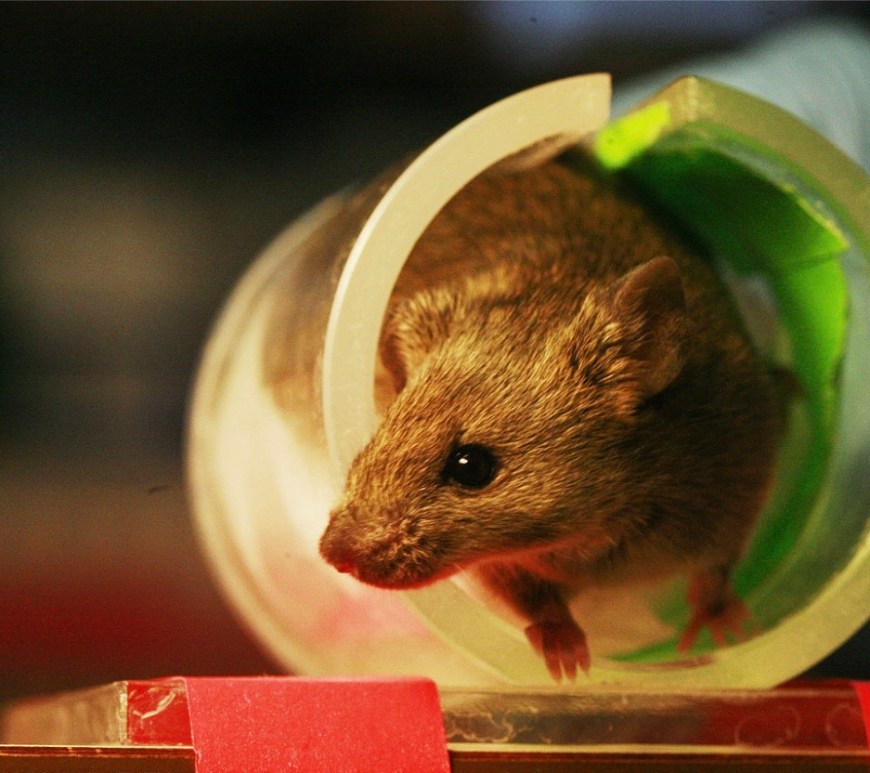
Author: Marie Collison ‘25 Cancer is a universally known disease that can be caused by a variety of defects in the genetic code of cells. A very important molecule in the regulation of cellular proliferation is the tumor suppressor protein 53, more commonly known as p53. Mutations or deletions in the p53 gene sequence are detected in the majority of cancers, including several subtypes of … Continue reading Implications of the role sphingosine kinase 1 plays in the formation of tumors in p53 knockout mice

Diminished Glymphatic Transport and Lymphatic Drainage Tied to Cerebral Amyloid Angiopathy

Author: Vignesh Subramanian, Class of 2024 Cerebral amyloid angiopathy (CAA) is a cerebrovascular disorder characterized by the accumulation of amyloid protein deposits along cortical capillaries, cerebral vessel walls, and the brain’s leptomeninges. These plaques weaken fragile blood vessels, often resulting in intracerebral hemorrhaging. CAA is linked to vascular cognitive impairment and dysfunction and is a major contributor to the pathogenesis of Alzheimer’s disease (AD) and … Continue reading Diminished Glymphatic Transport and Lymphatic Drainage Tied to Cerebral Amyloid Angiopathy