New Chemical Compound to Reduce the Adverse Side Effects of Neural Implants

Jorge Pincay ’20 Over the years research in neuroscience has led to the development of brain implants, called microelectrodes that can help restore essential motor and sensory functions. This technology has become beneficial for those that suffer from head injury and neurodegenerative disease. The limitations of this technology lie within the immunological response that comes about shortly after implantation. This immune response, which is governed … Continue reading New Chemical Compound to Reduce the Adverse Side Effects of Neural Implants

Ecological Dynamics of Coastal Plants, Birds, and Herbivores

Fatin Chowdhury ’20 In a recent paper, scientists from the University of Irvine examined the resistance of shrub plants to herbivory, as enabled by plant morphology or the presence of avian species. The scientists studied both direct and indirect defenses in nature and assessed these mechanisms in the context of energetic trade-offs. Characteristics that were already known to directly lower the success rate of herbivory … Continue reading Ecological Dynamics of Coastal Plants, Birds, and Herbivores

Interactions between a Tree Exudate and a Loquat-Seed Starch

Fatin Chowdhury ’20 As naturally derived ingredients become more sought after in manufacturing and other areas, the science behind biodegradable material continues to expand. Recently, in order to better understand the chemical dynamics of different ingredients in biomaterials and explore the possibility of developing an edible film, a pair of scientists located in South Korea investigated the interactions of a tree-based gum with loquat-seed derived … Continue reading Interactions between a Tree Exudate and a Loquat-Seed Starch

Common Fungi May Drive Pancreatic Cancer

Nicole Zhao ’20 Pancreatic cancer is the seventh leading cause of cancer-related deaths worldwide and occurs more frequently in developed countries (1). What makes pancreatic cancer even more alarming is that patients seldom exhibit symptoms until an advanced stage of the disease when little can be done for them (1). Therefore, techniques in early detection and risk assessment are crucial in the prognosis of a … Continue reading Common Fungi May Drive Pancreatic Cancer

Neurons that Help Us Forget

Nicole Zhao ’20 Imagine having the ability to never forget. This would come in handy if one needed to memorize a textbook or lecture slides for an exam. However, being able to remember every single moment of your life in snapshots does have its drawbacks. This is exactly what happened to a man known as subject S. who was known for his unforgettable memory in … Continue reading Neurons that Help Us Forget

Changes in Retinal Chromatin Allow Animals To Be Nocturnal

Mariam Malik ‘22 Night vision allows nocturnal animals to be active at nighttime and sleep when the sun is out, while diurnal animals are active during the day and sleep at night. However, when both diurnal and nocturnal animals are born, their ocular abilities are equal until a change in the cells of the eye occurs, allowing the animal to see in the dark. Through … Continue reading Changes in Retinal Chromatin Allow Animals To Be Nocturnal

Tfh13: The Cells Involved In An Allergic Reaction

Mariam Malik ’22 Anaphylaxis is the biological reaction of the body to an allergy, in which airways are constricted and blood pressure suddenly drops. Anaphylactic shock can result from various allergies, including food and insect stings. Previous research has shown that during an allergic reaction, the immune system releases high levels of high-affinity Immunoglobin (IgE) antibodies, which then strongly bind to allergens to form an … Continue reading Tfh13: The Cells Involved In An Allergic Reaction

Is Eternal Life Actually Possible? New Drug Formula May Reverse Biological Age

Joyce Chen ’23 Biological age is the measurement of the true ages of humans through the chemical changes in their DNA. Previous research and hypotheses inferred that reversing this can allow humans to acquire better immune systems and healthier bodies in general. To test if biological age reversal is actually possible, determined scientists from Intervene Immune and the University of California, Los Angeles, completed a … Continue reading Is Eternal Life Actually Possible? New Drug Formula May Reverse Biological Age

Increased Levels of Gray Matter in the Brain May Lead to Psychopathic Qualities

Joyce Chen ’23 Psychopathy is a genetic mutation in the brain that causes individuals to have egotistical tendencies. Such tendencies can lead to unwarranted actions such as crime or even murder, as psychopaths do not keep the wellbeing of others in mind. However, some psychopaths are capable of keeping their dark thoughts hidden very well, thereby having seemingly socially acceptable behavior. Recently, researchers from the … Continue reading Increased Levels of Gray Matter in the Brain May Lead to Psychopathic Qualities

A Long-Term Solution for Individuals Living With Peanut Allergies

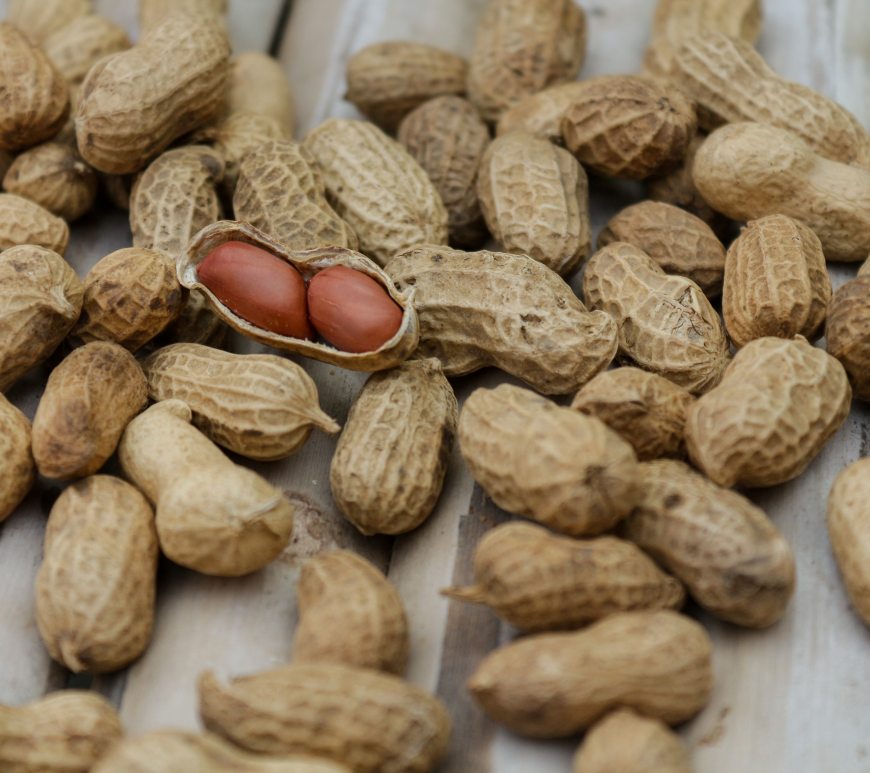
Aditi Kaveti ’23 Peanut allergies affect 6% to 8% of children around the world. Living with severe allergies is extremely dangerous and requires close monitoring of the ingredients in packaged foods and at restaurants. Many packaged products warn that the food was manufactured in a facility that processes peanuts or tree nuts. These trace amounts seem inconsequential, but they can lead to severe allergic reactions. … Continue reading A Long-Term Solution for Individuals Living With Peanut Allergies

The Future of Prosthetics Technology

Aditi Kaveti ’23 People with hand amputations often rely on prosthetic hands and services and face difficult daily challenges in performing simple tasks. The conventional prosthetic hand restores mobility but does not provide realistic human hand-like features. The inability to perform daily activities affects the quality of life and can be damaging to the patient’s mental health and well-being. A new electronic glove boasts the … Continue reading The Future of Prosthetics Technology

Eating Junk Food Leads to Blindness

Ellie Teng ’21 A case report presented a 14 year old male adolescent with “fussy” eating habits feeling fatigued. Scientists from Bristol Medical School and the Bristol Eye Hospital performed tests that showed anemia and low levels of vitamin B12 but the patient was otherwise well. At 15, he was suffering from hearing loss and not long after, deteriorating vision. He was referred to an … Continue reading Eating Junk Food Leads to Blindness