Flavonoids to the Rescue: Combating Age-Related Neurodegeneration

Sean Krivitsky, Class of 2026 Neurodegeneration, which is often associated with aging, leads to the development of serious diseases, including Alzheimer’s disease and Parkinson’s disease, that afflict more than 50 million people worldwide. In addition to their devastating impact, neurodegenerative diseases are particularly problematic regarding their prognosis, diagnosis, and treatment. One of the primary factors underlying the development of neurodegenerative diseases is mitochondrial dysfunction. This … Continue reading Flavonoids to the Rescue: Combating Age-Related Neurodegeneration

From Cooking Up Lab Reports to Setting Up Petri Dishes

Sajia Athai, Class of 2026 All organisms possess a myriad of mechanisms associated with homeostasis and osmotic adjustment to regulate water flow and content. The Photosynthesis Lab Report —an integral component of the BIO 205 course—allows students to test different variables such as salinity on function of chloroplasts under osmotic stress. In a similar study conducted on a much larger scale, a group of researchers … Continue reading From Cooking Up Lab Reports to Setting Up Petri Dishes

Implementation of Nitric Oxide Protein and Signaling Pathways for Prevention of Bacterial Infection in Medical Implants

Eimaan Bilal, Class of 2028 Many individuals rely on medical implants to improve their quality of life, but such internal devices are prone to bacteria attaching to the implant’s surfaces. This can create a biofilm that produces an exopolysaccharide matrix, increasing one’s risk for certain chronic infections and resistance to antibiotics. It has been hypothesized that biofilm regulation could be achieved by targeting how biofilms … Continue reading Implementation of Nitric Oxide Protein and Signaling Pathways for Prevention of Bacterial Infection in Medical Implants

Amyloid Burden in WTC Responders: Unraveling the Effects of Air Pollution

Tiffany Ang, Class of 2026 Amyloid-B (AB) proteins, a hallmark of Alzheimer’s disease, have been linked to air pollution exposure, potentially contributing to neurodegenerative diseases. Dr. Kritikos and colleagues at Stony Brook University investigated whether exposure to particulate matter (PM), particularly from the World Trade Center (WTC) site following the 9/11 attacks, was associated with increased cerebral amyloidosis, a condition characterized by the accumulation of … Continue reading Amyloid Burden in WTC Responders: Unraveling the Effects of Air Pollution

Lipid Accumulation Found as a Mechanism of Cellular Senescence in Parkinson’s Disease

Author: Asher Agarwal, Class of 2027 Figure 1. A man assisting an old patient with taking their medication. Parkinson’s Disease (PD) is a neurodegenerative disorder associated with neuronal death, specifically of the dopaminergic (DA) neurons in the region of the brain responsible for motor coordination and control. The death of these neurons, most commonly due to aging, causes a classic triad of symptoms: bradykinesia (slow … Continue reading Lipid Accumulation Found as a Mechanism of Cellular Senescence in Parkinson’s Disease

Novel Insights Into the Mechanism of DSB Repair During Meiosis Crossover Events

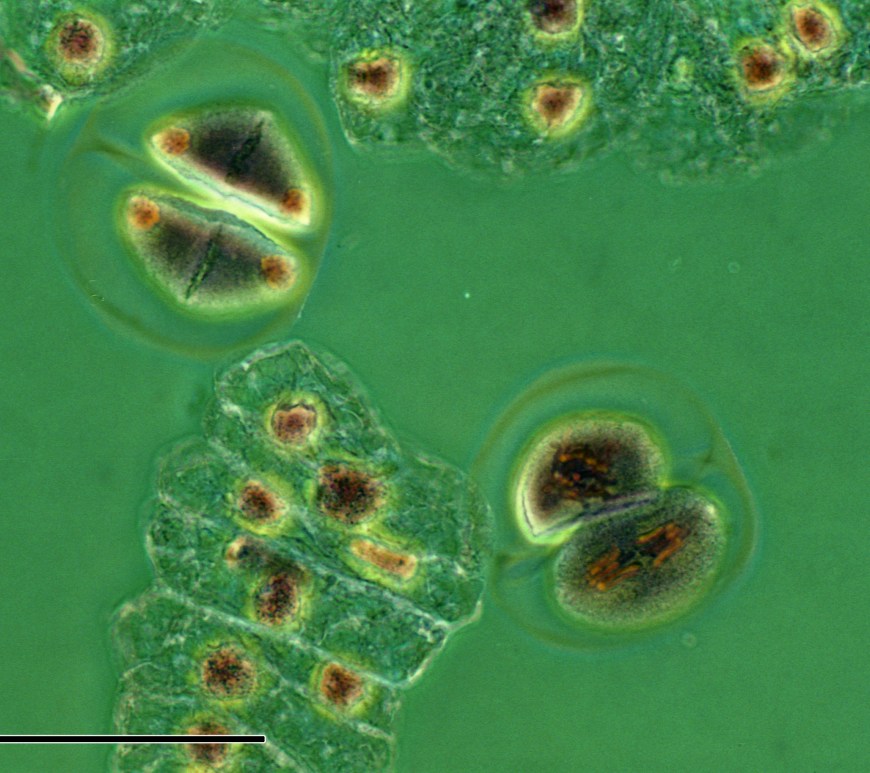
Author: Sean Krivitsky, Class of 2026 Figure 1. Image of cells at various stages of meiosis. Meiosis is a key process underlying sexual reproduction and is responsible for the production of gametes, sperm, and eggs, which are necessary for fertilization. One important aspect of meiosis is that it contributes to the process of genetic diversification through genetic recombination, which involves the crossing over and independent … Continue reading Novel Insights Into the Mechanism of DSB Repair During Meiosis Crossover Events

Back Like They Never Left: How the Remnants of Ancient Viruses May Affect the Progression of Neurological Disease

Author: Luis Caseñas, Class of 2026 Figure 1: Amyotrophic Lateral Sclerosis (ALS) is a neurological disease that triggers the degeneration of one’s Central Nervous System. Specifically, ALS targets motor neurons (pictured above) essential to muscle control and coordination. Amyotrophic Lateral Sclerosis (ALS) is a neurodegenerative disease that targets motor neurons in the Central Nervous System. This degeneration inevitably leads to gradual loss of muscle control … Continue reading Back Like They Never Left: How the Remnants of Ancient Viruses May Affect the Progression of Neurological Disease

Unraveling Chronological Age: Epigenetic Modifications as Indicators of Cognitive Decline

Author: Tiffany Ang, Class of 2025 Figure 1: A visualization of epigenetic modifications that shape gene expression without changing the genetic code. DNA methylation-derived epigenetic clocks are powerful tools for assessing biological aging and age acceleration–the difference between biological and chronological age. Unlike chronological age, which fails to capture the impact of biological and environmental influences, age acceleration explains individual differences in cognitive functions such … Continue reading Unraveling Chronological Age: Epigenetic Modifications as Indicators of Cognitive Decline

FOXO1: A Memory Upgrader for T-cells!

Author: Farzad Hoque, Class of 2028 The persistence and effectiveness of chimeric antigen receptor (CAR) T-cell therapies depend significantly on the ability of these cells to maintain memory-like states while avoiding exhaustion. Recent research has identified the transcription factor FOXO1 as a critical regulator of memory programming in CAR T cells, offering transformative insights into improving therapeutic outcomes. Alexander E. Doan and colleagues conducted a … Continue reading FOXO1: A Memory Upgrader for T-cells!

Utilizing the Principle of Pro-Cancer Properties of Antioxidants to Treat Prostate Cancer

Author: Sean Krivitsky, Class of 2026 Figure 1. Depiction of various foods that are commonly associated with having antioxidant properties.Prostate cancer (PC) has become a growing concern for men as its rate of incidence has been steadily increasing by more than 3% per year for the past decade. As a result, many have been searching for various treatments and interventions during PC progression to help … Continue reading Utilizing the Principle of Pro-Cancer Properties of Antioxidants to Treat Prostate Cancer

Understanding the Mechanisms of the Leading Cause of Death in Cancer Patients

Author: Sean Krivitsky, Class of 2026 Figure 1. Animated representation of the release of cytokines in the extracellular environment. Cancer is a disease that wreaks devastation on the bodies of the patients it afflicts. Cancerous tumor cells lead to the sickness observed in cancer patients in a variety of ways, but one of the primary causes of cancer-related sickness and death is referred to as … Continue reading Understanding the Mechanisms of the Leading Cause of Death in Cancer Patients

Mature Oligodendrocytes Demonstrate Delayed Cell Death by Alternate Mechanism

By Vignesh Subramanian, Class of 2024 Figure 1: A myelinating oligodendrocyte in a murine brain.  Oligodendrocytes are specialized glial cells in the central nervous system primarily responsible for myelination, the process of ensheathing the axons of neurons in a lipid-rich membrane known as myelin, which insulates the nerve fibers and speeds up the transmission of the action potentials they conduct. Oligodendrocytes are the products of … Continue reading Mature Oligodendrocytes Demonstrate Delayed Cell Death by Alternate Mechanism