






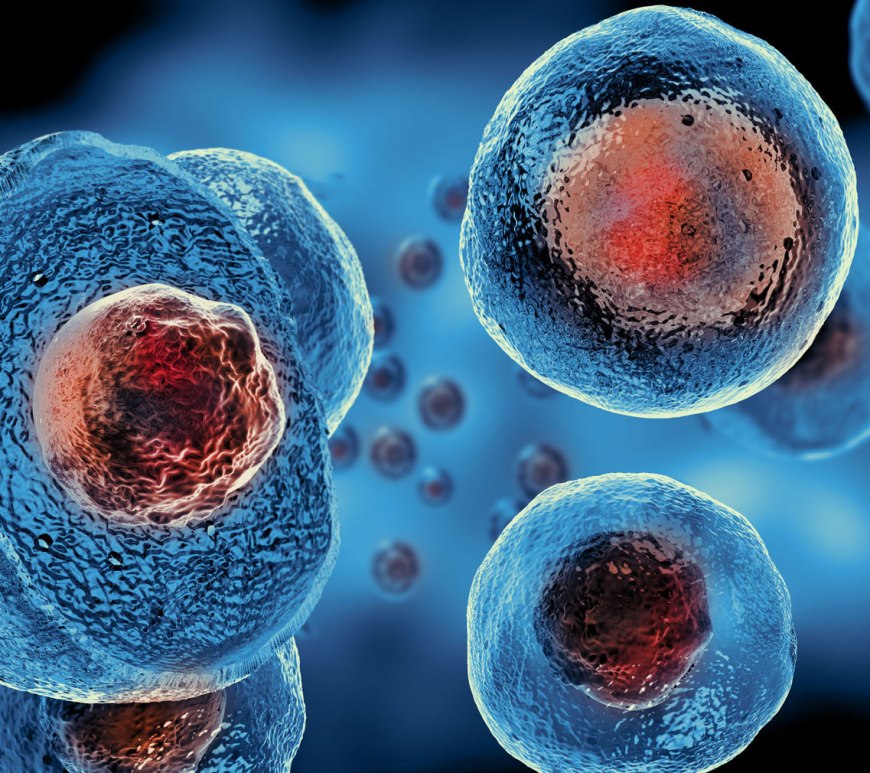
How do Stem Cells Transduce Signals Sensed by Mechanical Vibration?
Aditi Kaveti ’23 The field of medicine was revolutionized by the discovery of induced pluripotent stem cell (iPSC) techniques and the remarkable ability of these cells to solve various limitations in cell culture, including cellular proliferation and potency. Bioengineers are working to take advantage of the ability of these cells to improve cellular manufacturing and mechanization efficiency. A recent field of interest has been the … Continue reading How do Stem Cells Transduce Signals Sensed by Mechanical Vibration?

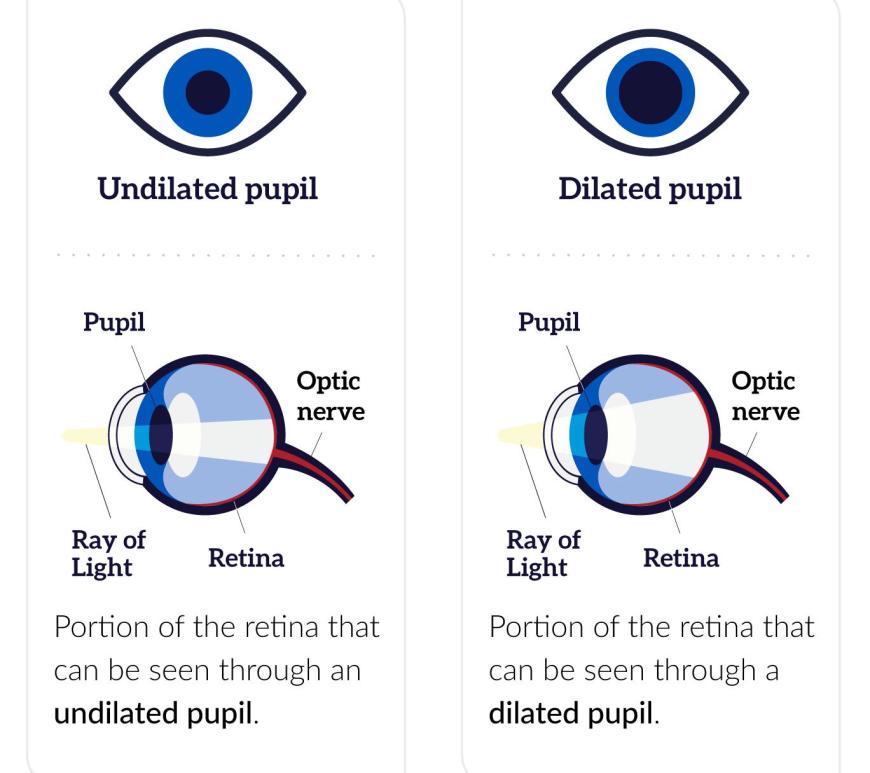
Analysis of Female Pupillary Response as a Potential Reflection of “Cuteness”
Ayesha Azeem ’23 Observing something “cute” facilitates communication, as perceiving cuteness narrows perceptual attention and makes it difficult to focus on peripheral vision. Previous research has indicated that female reproductive hormones allow women to be more sensitive and attuned to perceiving cuteness. Because women have historically played the role of primary caregiver, evolutionary psychology suggests that cuteness motivates people to raise a child, which may … Continue reading Analysis of Female Pupillary Response as a Potential Reflection of “Cuteness”
Fall 2021 Journal is Published!
Link to Journal: https://issuu.com/younginvestigatorsreview/docs/sbyir_fall_2021_journal_final_for_issuu_2 Every semester, SBYIR publishes a science journal highlighting research and topics in STEM. This journal is a culmination of effort from our writers and three branches– editorial, layout, and cabinet. This year’s journal theme is the Science of Wellbeing. Wellbeing is defined as the state of being healthy, happy, and comfortable. When we consider our own wellbeing, we consider what is in … Continue reading Fall 2021 Journal is Published!

Muscle Preservation and Metabolism-Associated Genes Show Activity During Diapause
Joyce Chen ’23 As time progresses, all living organisms will age, decay, and perish. However, there are certain animal species that can halt their biological clocks and no longer develop. This state is known as diapause. The African Killifish are known organisms that can undergo diapause in order to survive unfavorable conditions, such as dry periods in the environment. Many of these fish remain in … Continue reading Muscle Preservation and Metabolism-Associated Genes Show Activity During Diapause

Anti-Microglial Hyperactivity Drug Action May Block Alzheimer’s Disease Progression
Vignesh Subramanian ’24 Alzheimer’s disease (AD) is a neurodegenerative disorder characterized by progressive loss of memory, critical thinking skills, and behavioral capabilities that typically worsens with age. As the most common form of late-stage dementia, numerous risk alleles – variants of a gene that make a particular disease’s development more likely – have been identified for AD. Prominent among these is the triggering receptor expressed … Continue reading Anti-Microglial Hyperactivity Drug Action May Block Alzheimer’s Disease Progression

Neural Mechanism May Explain Variability of Social Ability in Autism
Vignesh Subramanian ’24 Autism spectrum disorder (ASD) is a neurodevelopmental disorder involving significant challenges with communication, behavior, and social skills. The range of conditions encompassed by the term is most often characterized by limited but intense interests, repetitive patterns of behavior, difficulty maintaining or regulating interactions with other people, and difficulty synchronizing facial expressions or motor movements with speech. It has long been believed that … Continue reading Neural Mechanism May Explain Variability of Social Ability in Autism
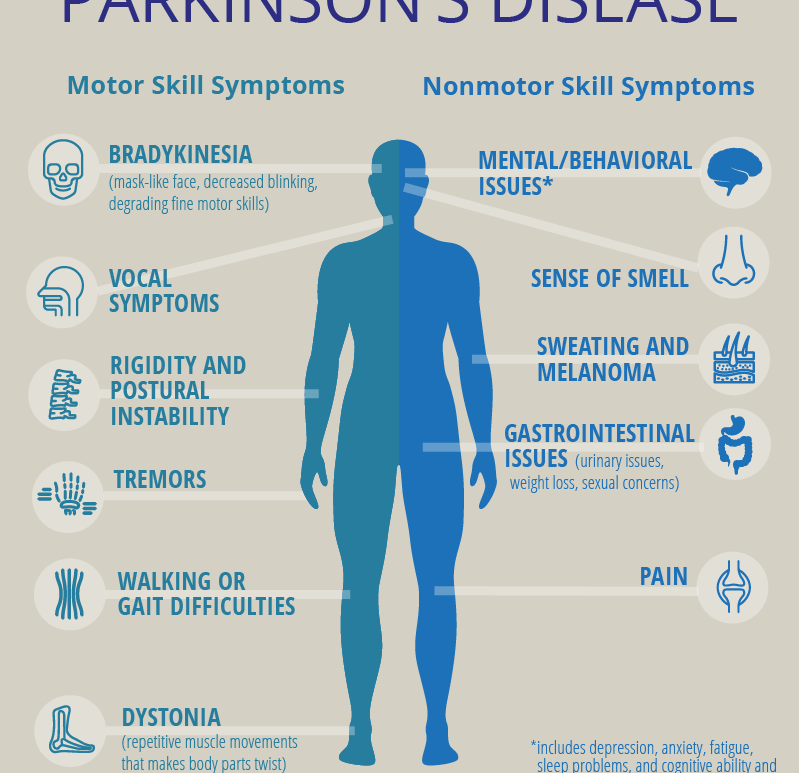
How the Motor Cortex Plays a Role in Parkinson’s Disease
Ayesha Azeem ’23 Parkinson’s Disease is a brain disorder that leads to shaking, stiffness, and difficulty with walking and balance. The symptoms gradually begin and get progressively worse over time. Although neuroscientists understand the role of neuron and dopamine loss in Parkison’s Disease, little is known about how dopaminergic modulation affects brain regions that are involved in the control of voluntary movement. In the primary … Continue reading How the Motor Cortex Plays a Role in Parkinson’s Disease

Water on Mars May Have Had a Shorter Lifespan than Previously Thought
Sooraj Shah ’24 The discussion of water on Earth’s twin planet Mars has become an intriguing topic in the past few years, largely due to its striking resemblance in size and location to Earth. It has been hypothesized that Mars was once a lively Earth-like planet that housed oceans and life, although present-day Mars tells a different story—until recently. Ari Koeppel, a Northern Arizona University … Continue reading Water on Mars May Have Had a Shorter Lifespan than Previously Thought

New Approach to the Detection of Social Bot Activity
Sooraj Shah ’24 Oftentimes, people find themselves scrolling through social media, responding and interacting with accounts and commenting on their favorite posts. What some users do not know is that many of these accounts utilize social bots, agents created to autonomously communicate with social media users. These bots respond in a way that is indistinguishable from human mannerisms, which give bots the power to influence … Continue reading New Approach to the Detection of Social Bot Activity

The Ketogenic Diet’s Effects on Cancer Patients
Thumyat Noe ’23 Researchers determined that diet plays a crucial role in increasing or decreasing the risk of cancer. For instance, previous studies show that high levels of insulin and glucose in the blood can increase the risk of colorectal cancer. Therefore, cancer researchers are interested in developing diets that can improve the well-being and prognosis of cancer patients. A ketogenic diet, which consists of … Continue reading The Ketogenic Diet’s Effects on Cancer Patients

Similar but Different: The Potential Role of Spatial Differentiation in Memory Retrieval
Robyn Rutgers ’24 Researchers have long been interested in establishing how the brain remembers spatial environments and avoids confusion in similar environments, such as in a new supermarket. A recent study from University of Arizona researchers investigates how the processes of spatial memory retrieval are implemented in the brain and how the brain differentiates memory representations that involve overlapping features. The study recruited 27 participants … Continue reading Similar but Different: The Potential Role of Spatial Differentiation in Memory Retrieval

Improving Cognitive Functions in World Trade Center Responders
Thumyat Noe ’23 Individuals who responded to the World Trade Center attacks on September 11th, 2001 experienced a great deal of trauma and distress. Researchers from Stony Brook University who study well-being and cognitive abilities discovered that these responders are at an elevated relative risk of developing aging-related cognitive impairment. In particular, lower cognitive function is correlated with higher levels of exposure to trauma in … Continue reading Improving Cognitive Functions in World Trade Center Responders
 Young Investigators Review