






Inhibition of Sterylglucosidase May Lead to Improved Class of Antifungal Agents
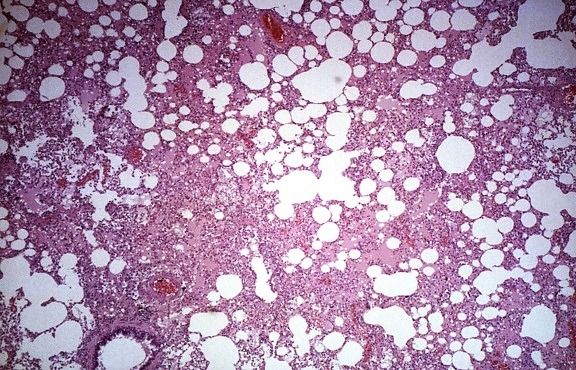
Robyn Rutgers ’24 Upon entering the lungs, the fungal pathogen Cryptococcus neoformans (CN) disseminates through the bloodstream and can cause life-threatening meningitis in immunocompromised patients. Currently, there are a number of major drawbacks in current antifungal agents such as high toxicity, limited availability, and a narrow spectrum of activity. Therefore, the development of new pharmacological agents is critical in combating fungal pathogens such as CN. … Continue reading Inhibition of Sterylglucosidase May Lead to Improved Class of Antifungal Agents


The Effect of Electrotherapy on Brains Addicted to Video Games
Ishmam Khan ’25 Although video games may represent a sanctuary from the stresses of daily living, young people, especially teens, are susceptible to becoming addicted to gaming platforms. According to the Diagnostic and Statistical Manual of Mental Disorders, Internet Gaming Disorder (IGD) results in an irresistible compulsion to play video games, which may lead to declining mental health and daily function. Currently, one common technique … Continue reading The Effect of Electrotherapy on Brains Addicted to Video Games
Exosomes: A Surprising Key to Spinal Injury Recovery
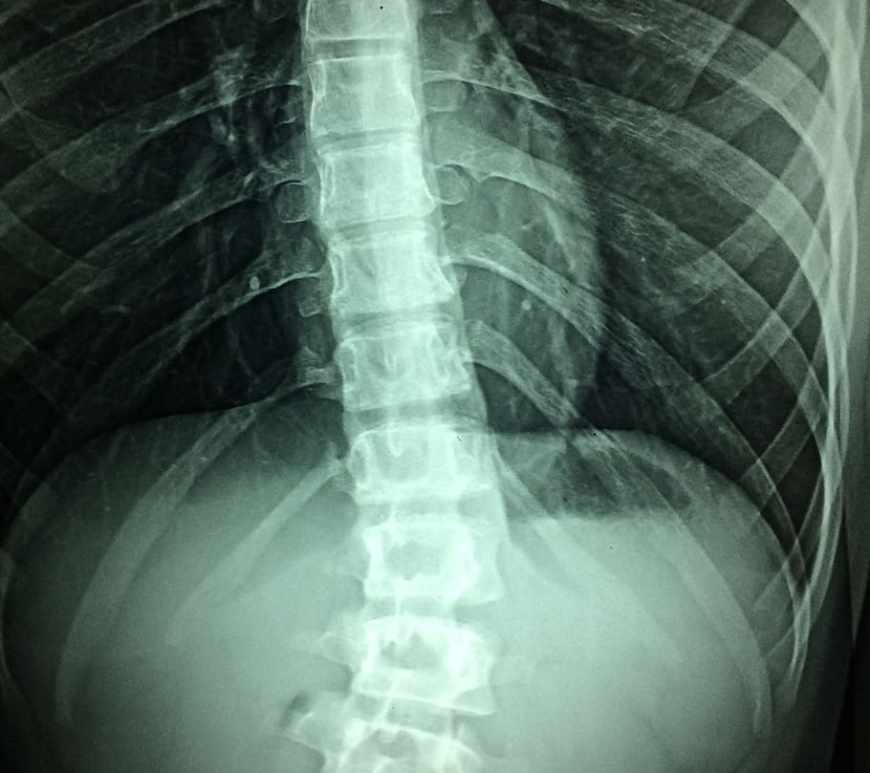
Alex Moir ’23 Exosomes, which carry biomolecular cargo around the body, are a group of vesicles secreted by almost all human cells. Exosomal delivery is also cell-specific, as the outer membrane surface of exosomes contains molecules that only bind with target recipient cell membranes. Recent research has suggested exosomes may play a role in wound healing and cell repair at sites of tissue damage, positioning … Continue reading Exosomes: A Surprising Key to Spinal Injury Recovery

Recalling Common Ground Depends on the Mode of Communication
Aditi Kaveti ’23 Communication between conversation partners can be performed in a multitude of ways, including spatial, visual, linguistic, aural, and gestural. These different modalities can affect the way information is transferred and interpreted, as well as the way the information is later recalled and referenced. Above all, communication between partners establishes a common ground between the two as they create a shared experience. Dr. … Continue reading Recalling Common Ground Depends on the Mode of Communication

Does Ethnicity Influence Memory Recall in Social Settings?
Daphne Siozios ’23 Collaborative learning occurs when a group of individuals works together to remember shared information and events. Not much is known about how the collaborative learning process and a social setting aids memory formation, analysis, and recollection since past research in the field has mainly focused on studying individuals in isolation. Professor Suparna Rajaram at Stony Brook University works to examine the effect … Continue reading Does Ethnicity Influence Memory Recall in Social Settings?

Optimizing Movement-Based Behavior Networks in Artificial Intelligence
Ishmam Khan ’25 Deep learning involves the use of machinery to simulate biological phenomena, especially human behavior. Researchers have developed two systems of programming that proved useful in mimicking movements: convolutional neural networks (CNNs), which are based on virtual imagery and spatial information, and recurrent neural networks (RNNs), which adapt long-short term memory (LSTM) to model long term contextual information of temporal sequences. When used … Continue reading Optimizing Movement-Based Behavior Networks in Artificial Intelligence

Elastin-like, Polypeptide-Based Bio-Ink: The Future of Bioprinting
Daphne Siozios ’23 3-D bioprinting is a novel field that continues to pave the way in establishing alternative forms of medicine to otherwise traditional techniques of tissue remodeling. Bio-ink, the material used to produce artificial live tissue through three-dimensional means, must meet certain requirements in resolution, shape, and biocompatibility (the material must not cause an adverse response in the host organism). While certain biomaterials used … Continue reading Elastin-like, Polypeptide-Based Bio-Ink: The Future of Bioprinting

Electrical Impulses May Be The Best Way to Treat Mental Illnesses
Aditi Kaveti ’23 Mental illnesses span a wide range of health conditions, including disorders that affect one’s mood, thinking, and behavior. Some severe cases of these conditions may be medication-resistant. For example, some patients with epilepsy are known to have significant anxiety associated with the condition that cannot be treated with medication. A study recently published in Nature Biomedical Engineering addresses medication-resistant disorders by studying … Continue reading Electrical Impulses May Be The Best Way to Treat Mental Illnesses

Freshwater Pond on Southampton Island Contains Traces of the Extinct Sadlermiut People
Joyce Chen ’23 The Sadlermiut were a past civilization that lived on Southampton Island in Nunavut, Canada. Accustomed to the harsh weather of Arctic Canada, the Sadlermiut were natural hunter-gatherers and fishermen. Recovery of past artifacts and skeletal remains suggested that the civilization occupied regions of Southampton Island ranging back to 1250 CE up until 1903, when they were wiped out by a pandemic introduced … Continue reading Freshwater Pond on Southampton Island Contains Traces of the Extinct Sadlermiut People

Glial Cells May Shape Brain Tumor Microenvironments
Alex Moir ’23 Glial cells, located in the central nervous system (CNS), support neurons by clearing extracellular waste and mounting an immune response against potential pathogens. Glioma are tumors occurring in the CNS that originate from these glial cells. As glioma tumors progress and become more aggressive, they invade surrounding tissue and develop a hospitable tumor microenvironment (TME). Two types of resident CNS immune cells, … Continue reading Glial Cells May Shape Brain Tumor Microenvironments

Release of Biological Molecules May Promote Formation of Vasculature in a Developing Embryo
Joyce Chen ’23 When an embryo develops, its cells undergo numerous rounds of cell division and arrange into a highly organized system of tissues that collectively assemble into organs. While positioning themselves at the midline, cells known as angioblasts are responsible for the formation of blood vessels in major arteries and veins. Simultaneously, somites — structures in the developing embryo that give rise to bone, … Continue reading Release of Biological Molecules May Promote Formation of Vasculature in a Developing Embryo

Early Onset Depressive Disorders in Adolescent Females
Yukta Kulkarni ’22 Depression is an illness that can cause feelings of sadness and can affect the way one thinks and acts. The first onset of depression is seen in childhood and often precedes chronic depression later on in life. Interestingly, it is correlated with differences in biological sex, as females have a 30% higher chance of struggling with first onset depression compared to males. … Continue reading Early Onset Depressive Disorders in Adolescent Females
 Young Investigators Review