




HIV Successfully Removed from Animal Genomes
Ellie Teng ‘21 The human immunodeficiency virus type one (HIV-1) is responsible for infecting millions worldwide. Currently, antiretroviral therapy (ART) is being used to slow HIV progression; however, as soon as this treatment is stopped, HIV-1 is reactivated and progresses to acquired immunodeficiency syndrome (AIDS). The reactivation of HIV-1 following the cessation of ART is as a result of the virus’ ability to integrate its … Continue reading HIV Successfully Removed from Animal Genomes


A Vaccine for Alzheimer’s?
Nicole Zhao ’20 Alzheimer’s disease is a progressive neurodegenerative disease that destroys memory and thinking skills (1). When the disease was classified by Dr. Alzheimer in 1906, he noticed that the brain tissue of his patient with early-onset Alzheimer’s was riddled with amyloid-β plaques and tangles. Tangles are jumbled bundles of fibers inside neurons that disrupt the ability of neurons to communicate with each other … Continue reading A Vaccine for Alzheimer’s?

Long-Term Use of These Drugs May Increase Risk for Dementia
Nicole Zhao ’20 A diagnosis of dementia is often accompanied by fear, anxiety and the need to fulfill a bucket list before the condition robs you of life. Dementia is the loss of cognitive functioning which includes thinking, remembering and reasoning (1). These losses then manifest in a change of behavior such as the inability to communicate, change in personality, and eventually the loss of … Continue reading Long-Term Use of These Drugs May Increase Risk for Dementia

New Targeted Therapy May Prevent and Reverse Food Allergies
Nicole Zhao ’20 A food allergy is an immune system reaction that occurs when exposed to a certain food (1). Symptoms resulting from an allergic reaction include digestive problems, hives, swollen airways and even anaphylaxis (1). Anaphylaxis is a serious, life-threatening allergic reaction and encompasses a variety of symptoms with high severity (2). During an allergic reaction, the immune system recognizes that a specific food … Continue reading New Targeted Therapy May Prevent and Reverse Food Allergies
Our Gut’s Interference in Some Medications
Mariam Malik ‘22 A drug is characterized as any substance that may alter one’s psychology or physiology. Depending on its purpose, each drug takes a different path once inside the body, but researchers at Harvard University have determined the role of the gut in interfering with a drug’s path and eventually, its effectiveness. Professor Emily Blaskus and graduate student Vayu Maini Rekdal focused on Levodopa, … Continue reading Our Gut’s Interference in Some Medications

The Relationship Between the Brain’s Energy and Weight Gain in Children
Mariam Malik ‘22 Around 32% of adolescents and children are overweight or obese in the U.S., according to the National Institutes of Health, and childhood obesity has become a major problem in the U.S. Co-authors Christopher Kuwaza of Northwestern University and Clancy Blair of New York University School of Medicine hypothesized that there is an inverse relationship between brain development and fat disposition in terms … Continue reading The Relationship Between the Brain’s Energy and Weight Gain in Children
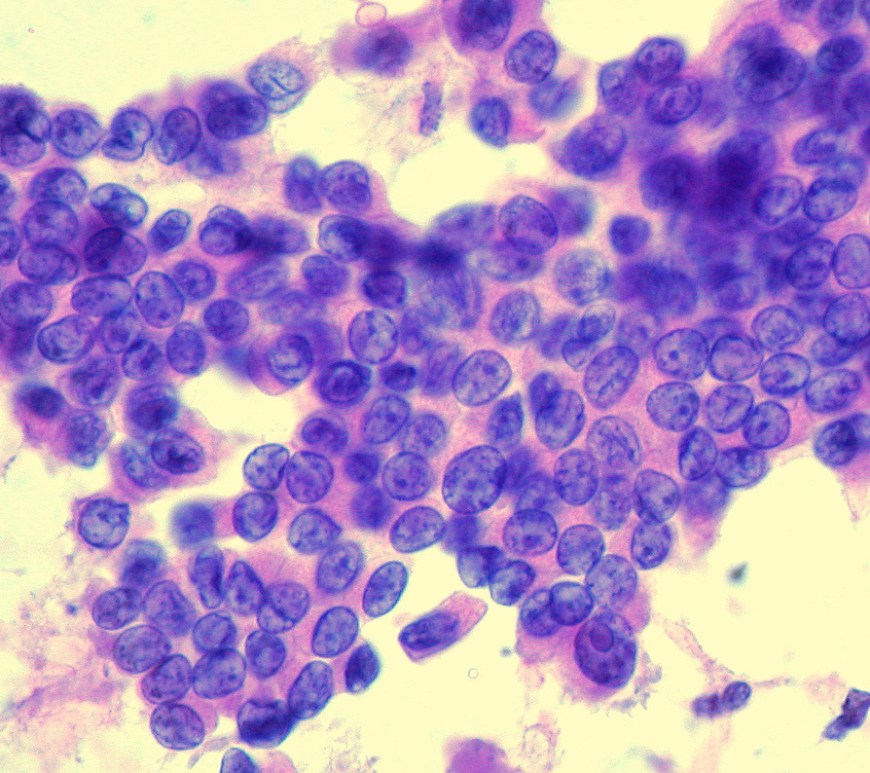
Cancer Cell Debris Generated by the Longstanding Chemotherapeutic 5-Fluorouracil is Linked to Oncogenic Inflammation
Shrey Thaker ‘22 The centerpiece of clinical struggle against cancer is the recurrence of the tumor following extensive chemotherapy. The most common chemotherapeutic agent dispatched to patients suffering from colon cancer is known as 5-Fluorouracil (5-FU) and its main mechanism of action includes inducing apoptosis by inflicting DNA damage and triggering the cell’s natural apoptotic pathways. While the initial effect of tumor cell death is … Continue reading Cancer Cell Debris Generated by the Longstanding Chemotherapeutic 5-Fluorouracil is Linked to Oncogenic Inflammation
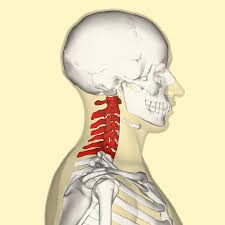
A Future for Paralysis Patients: Nerve Transfer
Shrey Thaker ‘22 Many years ago, the thought of paralysis was bleak and often had negative consequences for the patient’s mental state. However, because of the research of Dr. van Zyl and her group, young adult patients may have a hope of regaining their lost motor abilities. Often times, paralysis is caused by a severe infraction on spinal integrity, leading to a loss of nerve … Continue reading A Future for Paralysis Patients: Nerve Transfer
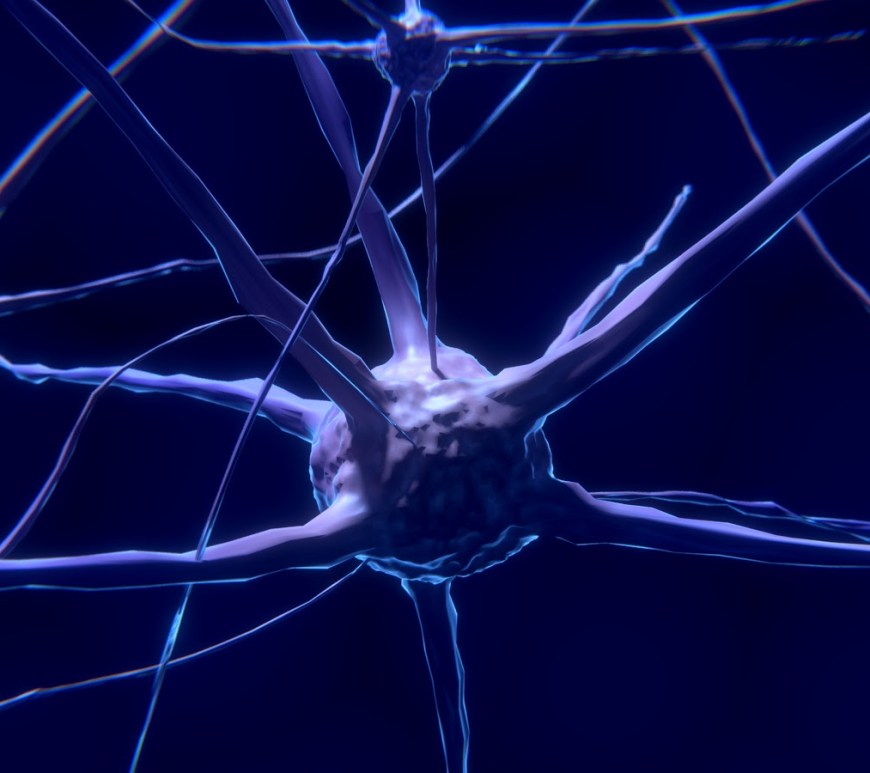
Mapping the Network of Biology: Connectomics
Shrey Thaker ‘22 Since the discovery of DNA and its structure, a common goal of many scientists has to unravel and explore biology through manipulation of its inherent maps. At one point, mapping the human genome was considered key to understanding human life. However, the driving force behind a human being’s unique existence is their extraordinary neural capabilities. Today, the cartography of science strives further: … Continue reading Mapping the Network of Biology: Connectomics

Reductions in Complete Rat Serum Yields Promising Results in Whole Embryo Culture
Nomrota Majumder ‘21 Whole Embryo Culture (WEC) came about in the 1950s as a way to observe patterns in mammalian development, investigate birth defects, and analyze explanted organogenesis-stage rodent embryos. Since then, it has been a very treasured technique in biological research methods. Since WEC is conducted in vitro, a serum properly suited for an embryo is crucial to the process, and ever since its … Continue reading Reductions in Complete Rat Serum Yields Promising Results in Whole Embryo Culture

Pectus Excavatum: Comparing Magnetic Resonance Imaging to Computed Tomography
Nomrota Majumder ‘21 Pectus Excavatum (PE) is a structural deformity of the anterior thoracic wall, located along the thoracic artery, and causes the breastbone to essentially sink into the chest. As the most common thoracic wall deformity in children, this condition is often congenital and worsens during the adolescent growth years. In addition to the phenotypic difference associated with this connective tissue disease, other symptoms … Continue reading Pectus Excavatum: Comparing Magnetic Resonance Imaging to Computed Tomography

Costunolide: A Potential Drug Molecule for Fighting Gastric Cancer
Nomrota Majumder ‘21 Costunolide, a sesquiterpene lactone extracted from Radix Aucklandiae, is shown to have powerful activity against multiple cancer forms. However, the effects of costunolide has not yet been investigated with gastric cancer, or the formation and growth of malignant cancer cells lining the stomach. As the fifth most common cancer in the world, and the third leading cause of cancer related death in … Continue reading Costunolide: A Potential Drug Molecule for Fighting Gastric Cancer
 Young Investigators Review