







Ancient Collegen found in Early Jurassic Fossil
Meghan Bialt-DeCelie – ’19 The hints left in the form of fossils provide better understanding of evolution and natural preservation of biological material. The organic material, like proteins, would often be lost and decomposed, hence discovering soft tissue in a fossil is an intriguing find. Researchers led by Dr. Yao-Chang Lee were able to find preserved protein in a 195-million-year-old rib of a sauropodomorph dinosaur … Continue reading Ancient Collegen found in Early Jurassic Fossil


Relearn Faster and Retain Longer
Ericka Berman As established, repetitive practice is necessary for knowledge retention. Sleep is also a contributing factor to new learning and memory consolidation. In this study, Dr. Mazza and the team of researchers recruited 40 participants ages 18-29 from University of Lyon, who were randomly assigned to one of two groups. For this study, participants were asked to remember 16 Swahili-French words pairs. Participants completed … Continue reading Relearn Faster and Retain Longer

Model Predicts Sleep Patterns
Meghan Bialt-DeCelie – ’19 Rapid modernization has had an impact on the hours that humans are active, disrupting natural and established rhythms. A team led by Anne Skeldon, PhD, developed a mathematical model that shows the effect of factors like artificial light on the human circadian rhythm and sleeping habits. The mathematical model included three factors involved in sleep regulation: mutual inhibition of wake and … Continue reading Model Predicts Sleep Patterns
Blunted Neural Response to Rewards as a Prospective Predictor of the Development of Depression in Adolescent Girls
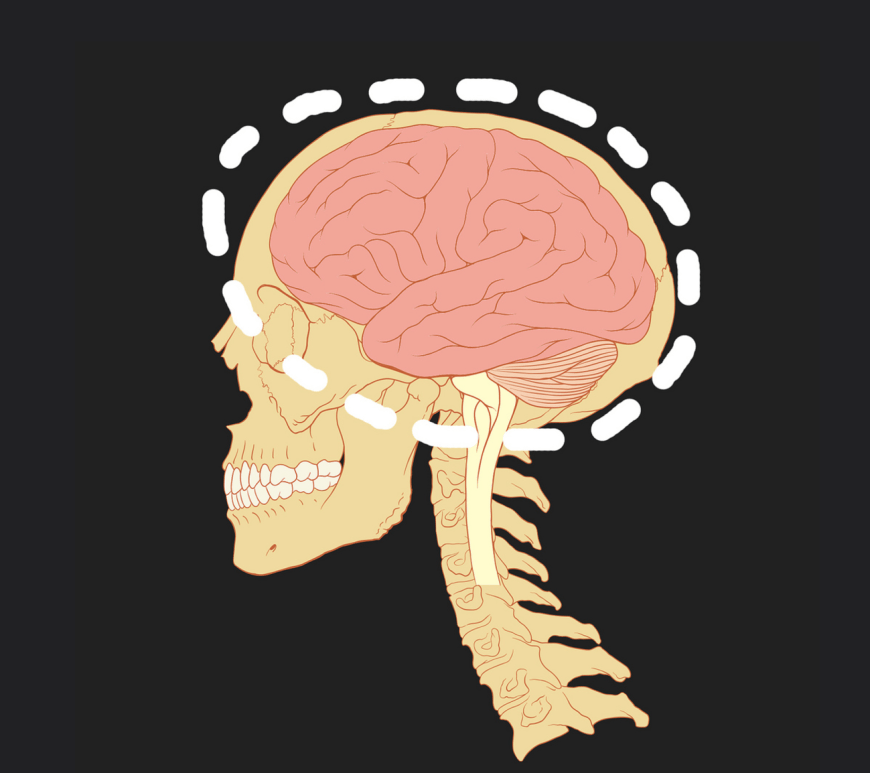
Ericka Berman Previous studies have shown that during adolescence, rates of depression increase markedly, and girls tend to have rates of depression twice as high as boys. Depressed adults were also shown to exhibit a decreased behavioral response to a reward and less brain activity in regions associated with reward processing in comparison to healthy adults. Dr. Brady Nelson and his team of researchers from … Continue reading Blunted Neural Response to Rewards as a Prospective Predictor of the Development of Depression in Adolescent Girls
3D Bioprinted Tissues Improved with Vascular Channels
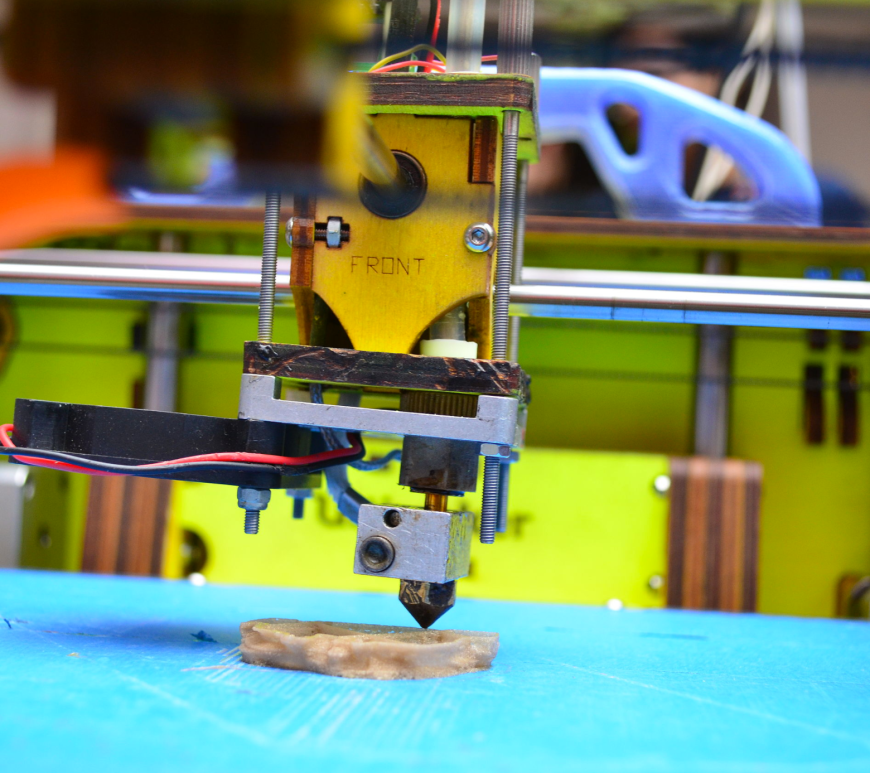
Meghan Bialt-DeCelie – ’19 One of the biggest problems with engineered tissues is the lack of a vascular system to transport essential nutrients and oxygen. This is the reason why larger and highly metabolic organs are the most difficult to develop with 3D printing. Researchers from the University of California printed prevascularized tissues with microarchitectures using the fast and efficient method of microscale continuous optical … Continue reading 3D Bioprinted Tissues Improved with Vascular Channels

Logged In and Zoned Out
Ericka Berman Susan M. Ravizza Ph.D. of Michigan State University et al. sought to find the relationship between Internet use and classroom performance. In an introductory psychology class, eighty-four participants connected to the Internet using a proxy server over fifteen lectures so researchers could track Internet usage. Academic-related webpages were not counted in the same category of data collection as non-academic-related webpages. The proxy server … Continue reading Logged In and Zoned Out

Science Behind Tomato Flavor
Meghan Bialt-DeCelie – ’19 Modern commercialized crops have been modified over the years to grow large, plentiful, and resistant to environmental damage. The taste of something like a tomato depends on the sugars, acids, and volatile compounds that are detected by one’s receptors for taste and smell. Researchers sequenced the tomato’s genome and investigated nearly 400 accessions among commercialized, heirloom and wild tomatoes to see … Continue reading Science Behind Tomato Flavor

Sending Your Grandparents to University Increases Cognitive Reserve: The Tasmanian Healthy Brain Project
Ericka Berman One way to decrease the likelihood of Alzheimer’s disease is by increasing cognitive reserves (CR). Research supports the idea that education, intelligence, and cognitively stimulating activities modify the risk for dementia. CR is a theoretical construct, so it is measured indirectly. Dr. Megan Lenehan and her team of researchers used data from 459 participants ages 50-79 from the Tasmanian Healthy Brain Project … Continue reading Sending Your Grandparents to University Increases Cognitive Reserve: The Tasmanian Healthy Brain Project

CRP Protein Levels Help Determine Depression Treatment
Meghan Bialt-DeCelie – ’19 When diagnosed with depression, patients are often left to trial and error with anti-depressant drugs. Incompatible prescriptions along the search can lead to potential issues with side effects, which can be ineffective as well as costly. A study led by Madhukar Trivedi, M.D. assessed a patient’s level of C-reactive protein (CRP) and related it to selection of antidepressant drugs escitalopram, a … Continue reading CRP Protein Levels Help Determine Depression Treatment

Efficacy of Quetiapine Monotherapy in Posttraumatic Stress Disorder: A Randomized, Placebo-Controlled Trial
Ericka Berman Posttraumatic Stress Disorder (PTSD) is a debilitating illness affecting approximately 7.8% of people in the U.S. over the course of their lifetime. As of now, two medications are approved in the U.S. to treat PTSD, but both treatments have limited success. Characteristics of the antipsychotic medication quetiapine suggest it may be helpful in treating PTSD symptoms of re-experiencing trauma and hyperarousal. Dr. Gerardo … Continue reading Efficacy of Quetiapine Monotherapy in Posttraumatic Stress Disorder: A Randomized, Placebo-Controlled Trial
Algorithm Defeats Pro Poker Players
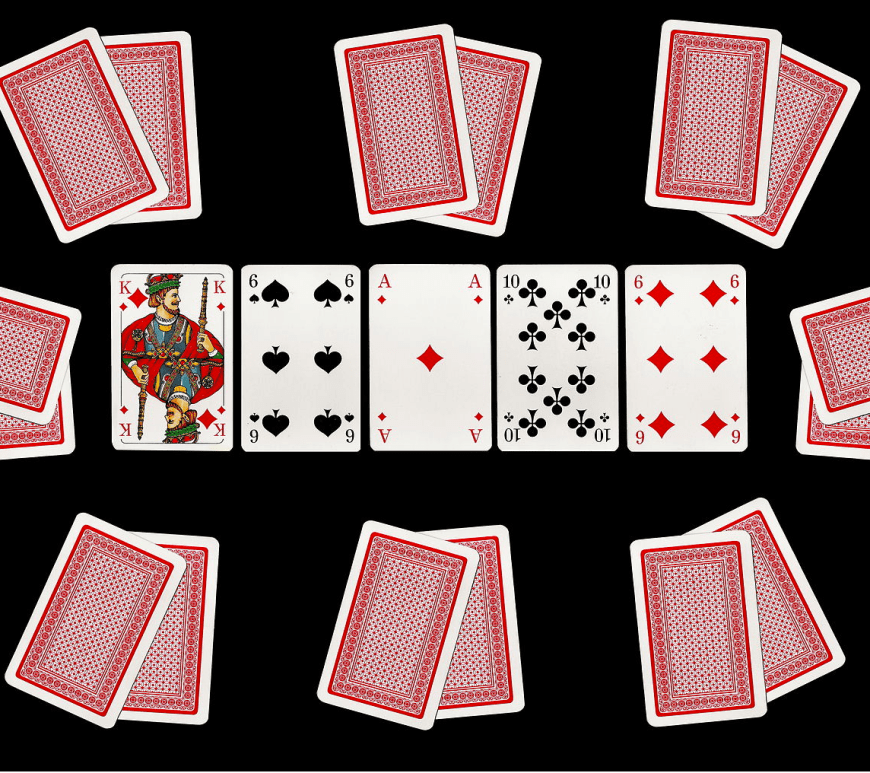
Meghan Bialt-DeCelie – ’19 Artificial Intelligence (AI) has improved significantly in recent years in games involving perfect information. This means all players are aware of all the elements in the current state of a game. The next milestone for AI is creating an algorithm that can defeat humans at games with imperfect information, a game where players can be uncertain of certain game elements. An … Continue reading Algorithm Defeats Pro Poker Players

Inferring Perspective Versus Getting Perspective
Ericka Berman Two strategies used to study mental-state inference are theorization, inference through behavior, and simulation, self-projection, but effectiveness varies based on biases in people’s intuitions. Haotian Zhou Ph.D. et al. of Shanghai Tech University predicted the bias in favor of theorization because people assume behavior is reflective of the mind. In the first experiment, twelve “experiencers” viewed emotional pictures. Experiencers reported their feelings ranging … Continue reading Inferring Perspective Versus Getting Perspective
 Young Investigators Review