





Enzyme in Soil Bacteria Inhibits Biofilm Formation
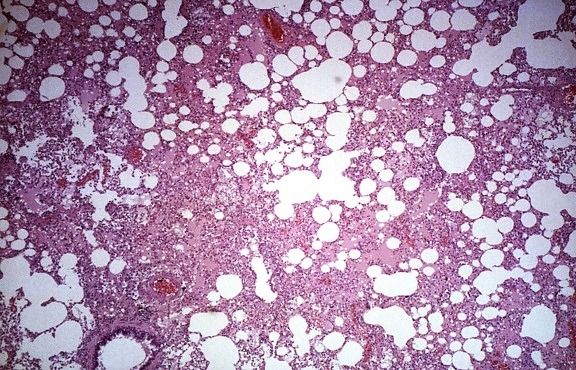
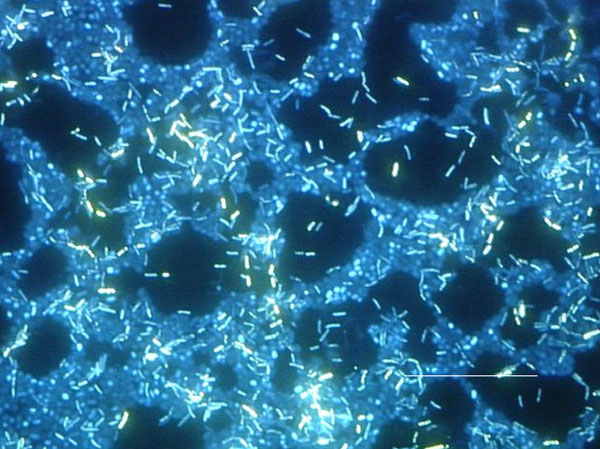
Patrick Yang ‘20 Pseudomonas aeruginosa is a multidrug resistant bacterium responsible for serious medical illnesses, such as pneumonia, sepsis, and cystic fibrosis. The bacterium produces a metabolite called pyocyanin, which largely contributes towards the pathogen’s toxicity. A recent discovery found that pyocyanin also aids in the aggregation of bacteria to form biofilm. Biofilm, a community of microorganisms that is resistant to conventional … Continue reading Enzyme in Soil Bacteria Inhibits Biofilm Formation


Climate Change Triggers Local Extinctions
By Patrick Yang ‘20 Average annual temperatures worldwide have reached an approximate 1°C increase since 1880 – a shift hardly noticeable to humans, but a harbinger of biodiversity loss in plants and animals, especially in warmer regions. Past models have predicted 0% to >50% species loss due to future climate change. However, the extent of biodiversity loss is much harder to ascertain because … Continue reading Climate Change Triggers Local Extinctions
Harvesting Energy with Magnetic Springs
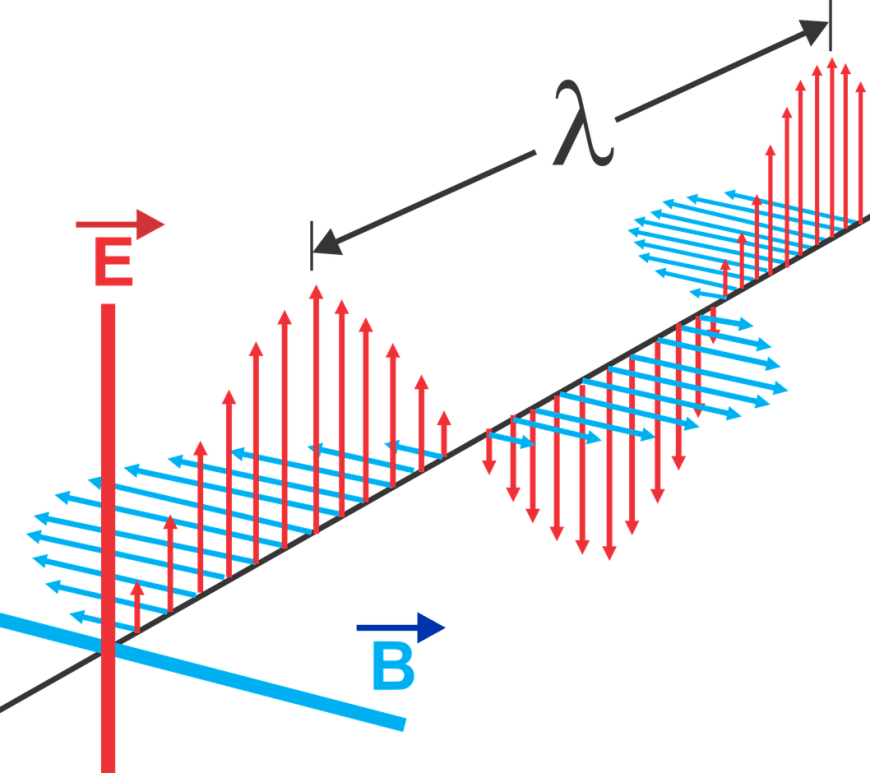
Michael D’Agati ‘18 Developing better ways to power portable electronic or wireless sensor systems has become more desirable in our increasingly mobile world. Multiple projects have proposed harvesting mechanical stresses from the human body to power these devices, but many of them use piezoelectric materials, which create current in a circuit due to changes in pressures on the material. Many small piezoelectric … Continue reading Harvesting Energy with Magnetic Springs
Creating Electricity Using the Motion of the Body
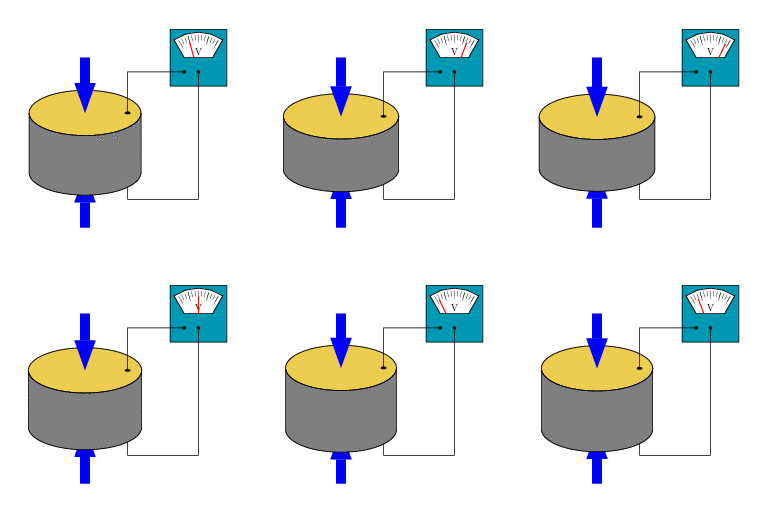
Michael D’Agati ‘18 Wearable electronics, such as the Fitbit and Apple Watch, have started to flood the consumer marketplace. Flexible energy sources, rather than traditional batteries, are garnering more popularity to power this wearable technology because energy created by a moving human body – an unlimited power source – can be harvested and used to power them. A team of researchers led by … Continue reading Creating Electricity Using the Motion of the Body
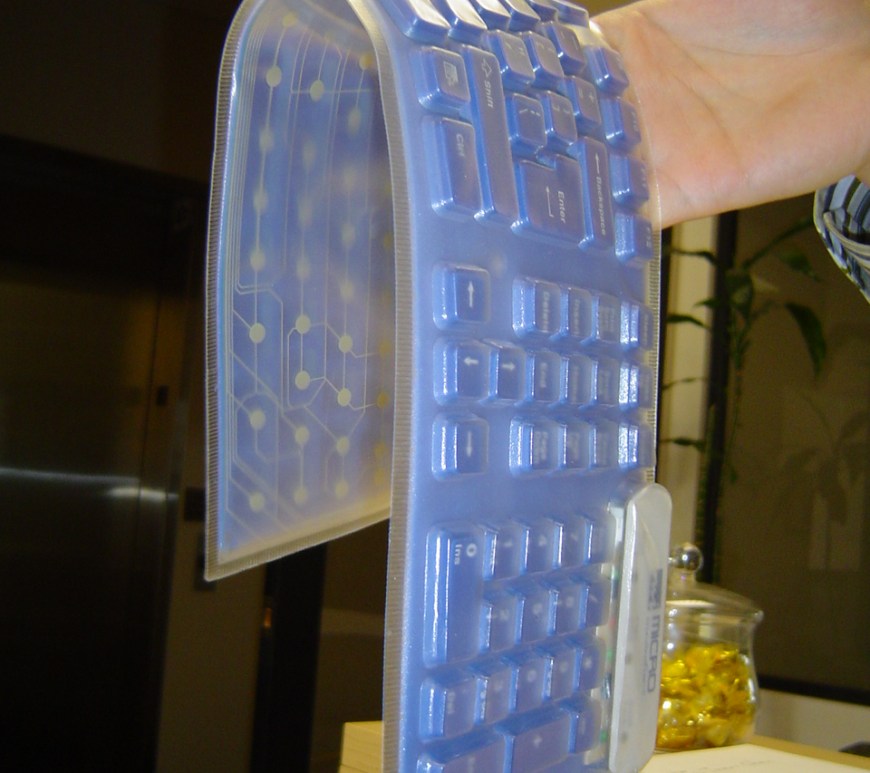
Sensing Human Touch with Low Frequencies
Michael D’Agati ‘18 Passive touch sensing flexible keyboards could supplement low power displays. Sensing Human Touch with Low Frequencies. From touch screens to keypads, the technology that senses a human touch is vital to communication in the 21st century. This technology found in the displays of smartphones and tablets requires active touch sensing technologies. In other words, the display requires power delivered via battery or … Continue reading Sensing Human Touch with Low Frequencies
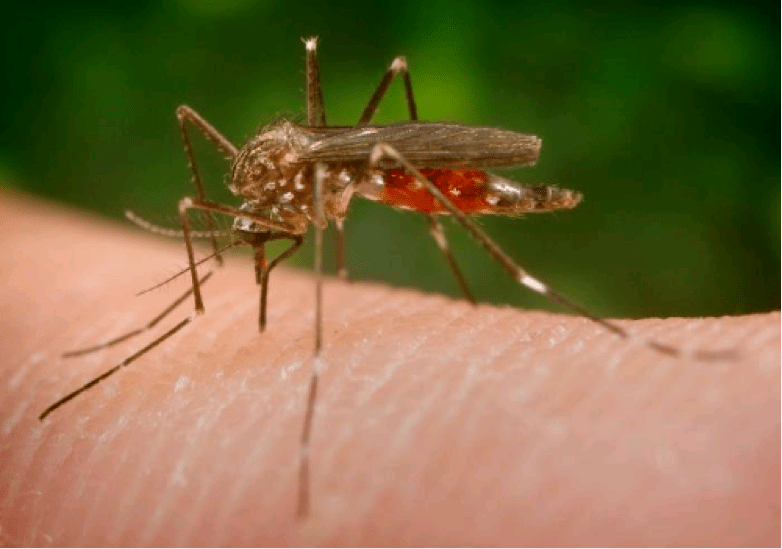
Tackling Zika with an Antibody Present in Humans
by Rideeta Raquib ’19 The Zika virus, or ZIKV, falls under the classification of the flavivirus genus, which includes Dengue and West Nile virus members, and can lead to numerous negative side effects. The virus contains a surface that is composed of 180 copies of E protein organized in an icosahedral symmetrical pattern with 60 asymmetric units. It also contains three domains, DI, DII, and … Continue reading Tackling Zika with an Antibody Present in Humans
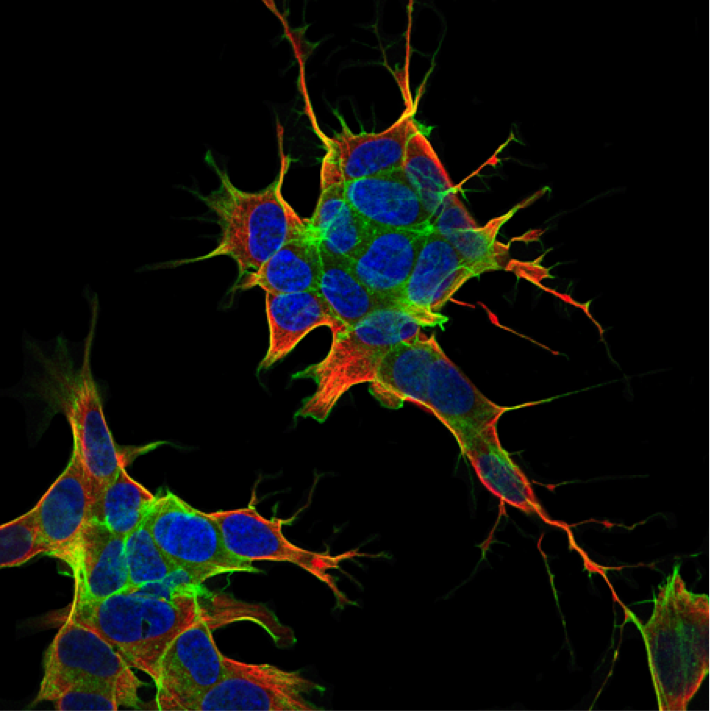
Creating a Living Bio-Hybrid System
by Rideeta Raquib ’19 Neurons are a remarkable aspect of living organisms that enable electrical signals to travel to the brain and back, this translates to voluntary and involuntary responses. Designing a functional system that could mimic the actions present in the brain has proved to be an obstacle for many researchers. The most tedious aspect of such a design is to model the learning … Continue reading Creating a Living Bio-Hybrid System

Erasing Fear via Reconditioning of the Brain
by Rideeta Raquib ’19 Fear is an unpleasant emotion that can cause someone to be afraid. Although a small amount of fear has been evolutionarily helpful to organisms for preventing predation, too much fear can be mentally harmful. In fact, phobias and post-traumatic stress disorders can negatively impact the daily lives of many people. A study conducted by neuroscientists from the University of Cambridge, Japan, and … Continue reading Erasing Fear via Reconditioning of the Brain

Potential Oral Anti-Malarial Medication Developed
By Richard Liang Malaria is still a potent threat in regions across the globe despite attempts at mass drug administration. Existing drugs that limit its transmission are difficult to distribute and administer in large groups. An orally administered drug would be most efficient, but oral drugs are often too rapidly metabolized by the digestive system to be effective. In a recent study led … Continue reading Potential Oral Anti-Malarial Medication Developed

NeuroGrids for Minimally Invasive Diagnosis
By Richard Liang Monitoring the electrophysiological signals in the brain is critical for diagnosing and treating neurological diseases. The closer a sensor is to the neurons, the more accurate and precise the readings of neuronal activity can be. While sub-dural electrodes can be placed on the surface of brain tissue, issues like local tissue damage, hemorrhages, and infections can be detrimental to patient … Continue reading NeuroGrids for Minimally Invasive Diagnosis

Using Nanomaterials for Safer Embolization
An embolism is a blockage in the blood vessel that can potentially by very detrimental if not treated quick enough. By Richard Liang During many medical procedures, the embolization of vascular tissue is necessary to close wounds and seal ruptured blood vessels. However, many embolic agents have complications, such as toxicity, breakthrough bleeding, and extensive streak artifact, which put patients with hemophilia, or clotting issues, … Continue reading Using Nanomaterials for Safer Embolization

The Connection between Weight Gain Patterns and Tuberculosis
Tuberculosis treatment, research has shown, may be related to weight gain among patients By Caleb Sooknanan Tuberculosis (TB) is an infectious bacterial disease that harms the lungs. One of the most common symptoms of infection among tuberculosis patients is weight loss, with treatments known to incite weight gain and nutritional recovery. Dr. Mimi N. Phan and researchers at Baylor College of Medicine in … Continue reading The Connection between Weight Gain Patterns and Tuberculosis
 Young Investigators Review