Are Low-Income Consumers Informed about the Health Risks of Processed Foods?

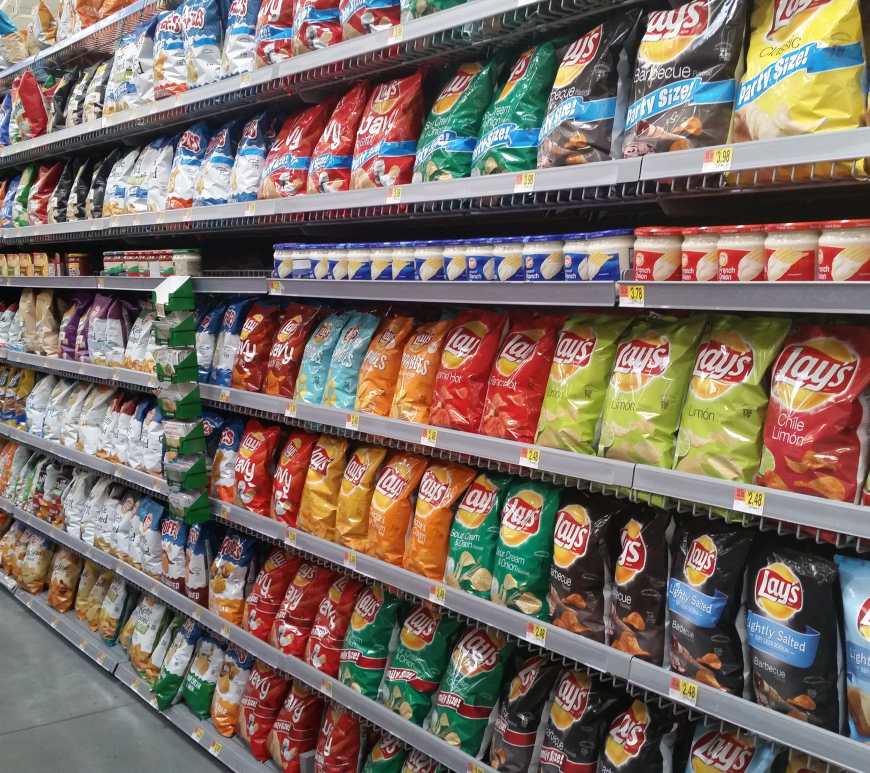
Eimaan Bilal, Class of 2028 The amount of ultra-processed foods (UPFs) in developed countries has been rising, contributing to non-communicable diseases (NCDs) such as cardiovascular diseases, cancer, and diabetes. The World Health Organization suggests limiting UPF consumption, due to their high concentrations of fat, salt, and sugar. However, past studies have shown that socioeconomically disadvantaged individuals with lower income and education are likely to adhere … Continue reading Are Low-Income Consumers Informed about the Health Risks of Processed Foods?

Virtual Reality: An Effective Tool for Safety Training

Author: Amal Bilal, Class of 2028 Figure 1: A man using a virtual reality headset. Safety training is an important tool that helps prevent accidents by enhancing one’s ability to identify and analyze risks while performing dangerous tasks. Typically delivered through safety manuals, videos, lectures, slideshows, and drills, safety training methods have several limitations: they do not provide feedback to participants, have difficulties illustrating realistic … Continue reading Virtual Reality: An Effective Tool for Safety Training

Battlefront: The Nano DLC

By Farzad Hoque, Class of 2028 On the battlefield, the adjacent role of nanocarriers is logistical. They provide munitions support and focused attention to the battlefield. In the body, the focus is on how these nanocarriers can improve the fight against cancer–specificity, reduce toxicity, and sustain the efficacy of immunological agents–all by modulating the antitumor immune response. In prior wars with cancer, the body’s arsenal … Continue reading Battlefront: The Nano DLC

EEG Research in Maternal Health – Implications and Resolutions of Racial Disparities

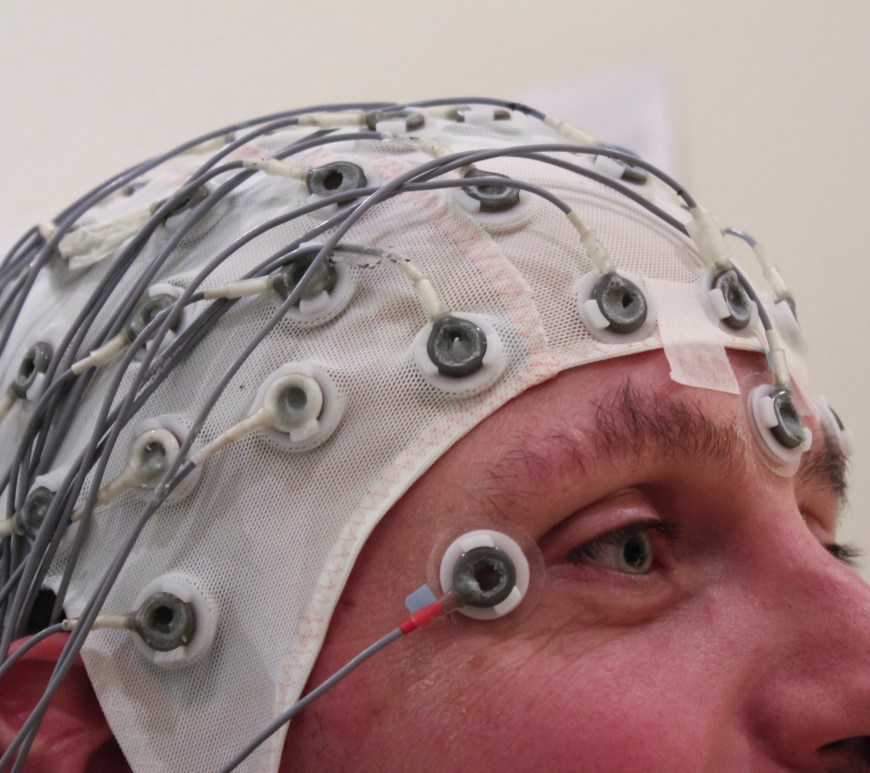
Author: Luis Caseñas, Class of 2026 Figure 1: EEG cap and electrodes placed on the head of a participant; the blunt nature of these electrodes works better with hair types from a white population rather than black. Maternal health refers to mothers’ physical and mental well-being during pregnancy, childbirth, and postpartum. In the study of maternal health, electroencephalography (EEG), which generates event-related potentials (ERPs), is … Continue reading EEG Research in Maternal Health – Implications and Resolutions of Racial Disparities

Telemedicine Visits: Alternative Approach to Healthcare?

Author: Amal Bilal, Class of 2028 Figure 1: Doctor and patient using telemedicine. Telemedicine has become increasingly popular because of its ability to increase savings for patients and providers, reduce hospital readmissions, and enhance patient quality of care. The COVID-19 pandemic saw an 80% decline in in-person health visits and a 683% increase in telemedicine visits between March 2 and April 14, 2020 (1). Teleophthalmology, … Continue reading Telemedicine Visits: Alternative Approach to Healthcare?

Humanity’s Evolution: Natural or Engineered

Fiona Wong, Grade 12 From the humans that swarm the world’s bustling city streets, to every blade of grass lining our front lawns, all of these organisms are made of DNA – and all forms of DNA are composed of four essential building blocks: adenine, thymine, guanine, and cytosine (1). The key differences that contribute to human individuality lie in our DNA sequences; genes code … Continue reading Humanity’s Evolution: Natural or Engineered

Watermelon Snow: A Medium for Antibiotic Resistance Research

Author: Marie Collison, Class of ‘25 A common adaptation of bacteria is antibiotic resistance, a very important field of study in microbiology and medicine. Antibiotic resistance genes (ARGs) can arise naturally and exist as an important natural survival tool for bacteria. ARGs have risen in frequency in human-inhabited regions as a result of increased use of antibiotics. As a result, there is growing concern over … Continue reading Watermelon Snow: A Medium for Antibiotic Resistance Research

Bupropion as a Possible Treatment for COVID-19-Related Brain Fog

Jessica George ’24 The COVID-19 pandemic has affected millions of people worldwide, and many have reported persistent symptoms even after recovery from the initial infection. One of the most common long-term symptoms reported is “brain fog,” a condition characterized by cognitive impairments such as memory loss, difficulty concentrating, and mental fatigue. A recent case series published by Dr. Samuel Reinfeld from the Stony Brook University … Continue reading Bupropion as a Possible Treatment for COVID-19-Related Brain Fog

Inhibition of Sterylglucosidase May Lead to Improved Class of Antifungal Agents

Robyn Rutgers ’24 Upon entering the lungs, the fungal pathogen Cryptococcus neoformans (CN) disseminates through the bloodstream and can cause life-threatening meningitis in immunocompromised patients. Currently, there are a number of major drawbacks in current antifungal agents such as high toxicity, limited availability, and a narrow spectrum of activity. Therefore, the development of new pharmacological agents is critical in combating fungal pathogens such as CN. … Continue reading Inhibition of Sterylglucosidase May Lead to Improved Class of Antifungal Agents

Pandemic-related Stress Overwhelms Pregnant Women Globally

Joyce Chen ’23 Within the past year, the onset and duration of the pandemic has wreaked havoc on the world. Aside from the detrimental effects on physical health, the virus has taken a significant impact on mental wellbeing. Many pregnant women have reported feeling heightened levels of stress at this time because they do not feel prepared to give birth and are afraid of their … Continue reading Pandemic-related Stress Overwhelms Pregnant Women Globally

Green Tea Could Help Reduce Signs of Aging and Improve Cognitive Functions

Thumyat Noe ’23 Green tea is one of the most consumed beverages in the world. Consumption of green tea is associated with health benefits such as improved mental health, better global cognition memory, and reduced risk of neurocognitive disorders. Researchers have attributed beneficial effects of drinking green tea to catechins which are flavonoids with antioxidant properties. During the manufacturing and brewing processes, green tea catechins … Continue reading Green Tea Could Help Reduce Signs of Aging and Improve Cognitive Functions

Brain Imaging May Prevent Obesity and Linked Psychological Behaviors

Sooraj Shah ’24 Obesity rates in the United States, approaching almost 70% for men and 62% for women, are concerning, especially since obesity is associated with several other conditions such as heart attacks and diabetes. While the classic solution is exercise and proper diet maintenance, the ability to predict and prevent obesity has become a topic of research. A study led by Dr. Anat Biegon, … Continue reading Brain Imaging May Prevent Obesity and Linked Psychological Behaviors