Inhibition of Hydrolytic Enzyme May Protect Against Manifestation of AD-Linked Phenotypes

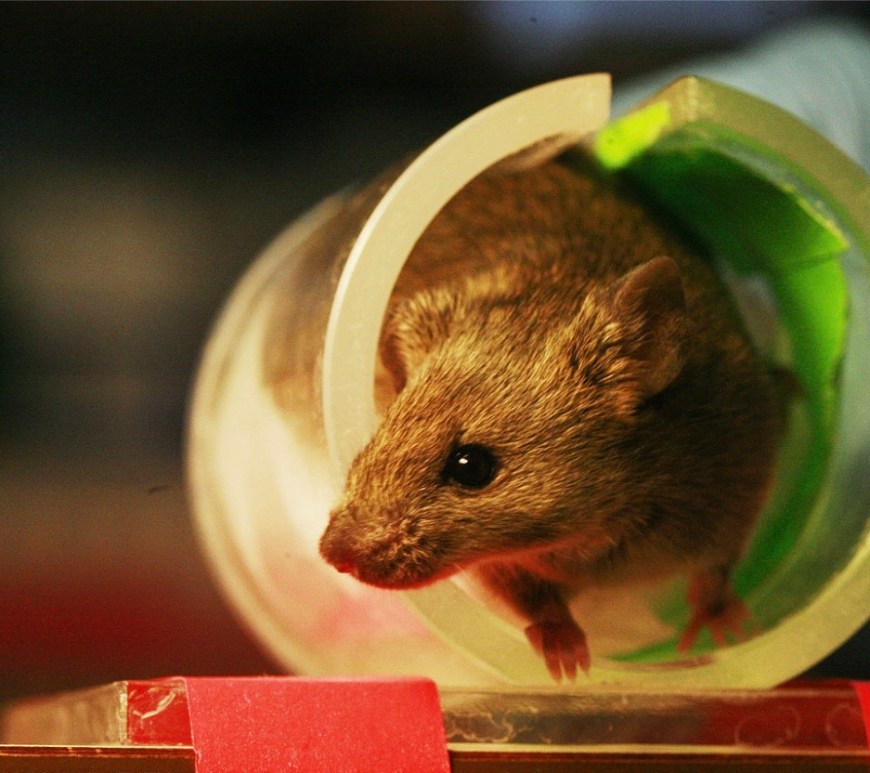
Author: Vignesh Subramanian, Class of 2024 Figure 1: Barnes maze tests were performed to assess the spatial reference memory of the knock-in AD mouse models. Alzheimer’s disease (AD) is a progressive, neurodegenerative disease characterized by significant memory loss and cognitive decline that worsen with age. While the disease’s long-established hallmarks include the aggregation of two misfolded proteins known as beta-amyloid and phosphorylated tau, recent research … Continue reading Inhibition of Hydrolytic Enzyme May Protect Against Manifestation of AD-Linked Phenotypes


Watermelon Snow: A Medium for Antibiotic Resistance Research

Author: Marie Collison, Class of ‘25 A common adaptation of bacteria is antibiotic resistance, a very important field of study in microbiology and medicine. Antibiotic resistance genes (ARGs) can arise naturally and exist as an important natural survival tool for bacteria. ARGs have risen in frequency in human-inhabited regions as a result of increased use of antibiotics. As a result, there is growing concern over … Continue reading Watermelon Snow: A Medium for Antibiotic Resistance Research

Implications of the role sphingosine kinase 1 plays in the formation of tumors in p53 knockout mice

Author: Marie Collison ‘25 Cancer is a universally known disease that can be caused by a variety of defects in the genetic code of cells. A very important molecule in the regulation of cellular proliferation is the tumor suppressor protein 53, more commonly known as p53. Mutations or deletions in the p53 gene sequence are detected in the majority of cancers, including several subtypes of … Continue reading Implications of the role sphingosine kinase 1 plays in the formation of tumors in p53 knockout mice

Accepting Staff and Writer Applications for Fall 2021! Check “Apply” page for more information.

Link to our “Apply” page: https://sbyireview.com/apply/ Link to Staff/Writer Application Information session: https://www.youtube.com/watch?v=4dSgxMALlZ4 We will also be hosting a virtual staff/writer application informational session on August 5th at 8pm. The sbengaged page for this event will be linked here soon! We look forward to receiving your applications! Continue reading Accepting Staff and Writer Applications for Fall 2021! Check “Apply” page for more information.

Antibody-Based Immunotherapy for Alzheimer’s Disease

by Jalwa Afroz The antibody aducanumab reduces amyloid-β plaques, helping to prevent the cognitive decline of Alzheimer’s disease. Alzheimer’s disease (AD) is a chronic type of dementia that affects a person’s memory and behavior. Ultimately, cognitive decline and behavioral disturbances lead to a person’s inability to perform daily activity. Through pathophysiological evidence, researchers have shown that amyloid-β (Aβ) plaque buildup in the brain causes neurotoxicity. … Continue reading Antibody-Based Immunotherapy for Alzheimer’s Disease

Forgiveness Predicts Lasting Relationships

by Amanda Ng (’17) Many studies conducted in the field of social psychology have been dedicated to creating lasting relationships. Previous studies have shown that the presence of forgiveness in a relationship indicates successful conflict resolution and lower levels of stress. This leads to higher satisfaction in relationships, whether they continue or end. In a recent study led by Dr. Tsukasa Kato of the Department … Continue reading Forgiveness Predicts Lasting Relationships

A New Treatment for Blood Clots

by Sahil Rawal (’19) Blood clots, which prevent oxygen from reaching tissues, are the primary cause of heart attacks and strokes, and consequently lead to an enormous number of deaths each year. However, quick removal of blood clots can help prevent this. Currently, enzymatic formulations are the most efficient ways to treat blood clots, but they have many side effects that could be harmful to … Continue reading A New Treatment for Blood Clots

The Impact of Climate on Crime Rates

by Julia Newman (’19) Previous data has shown that overall levels of aggression increase as you move closer to the equator, with Central America showing a murder rate over twenty people greater than that in European countries, but a definitive reasoning has yet to be found. Scientists have suggested that high temperatures cause increased heart rate and blood pressure leading to anger; others have pointed … Continue reading The Impact of Climate on Crime Rates

A Step Forward in Parkinson’s Disease

by Sahil Rawal (’19) Parkinson’s Disease is a very deadly condition with unknown origins, as scientists have been unable to pinpoint an exact explanation for its occurrence. Previous studies have shown that patients with Parkinson’s lack dopamine-producing cells, which causes attenuation of motor skills. Furthermore, it has been shown that mitochondrial toxicity causes mutations in PINK1 and PARKIN genes in patients with Parkinson’s. However, these … Continue reading A Step Forward in Parkinson’s Disease

The Health Benefits of Coffee

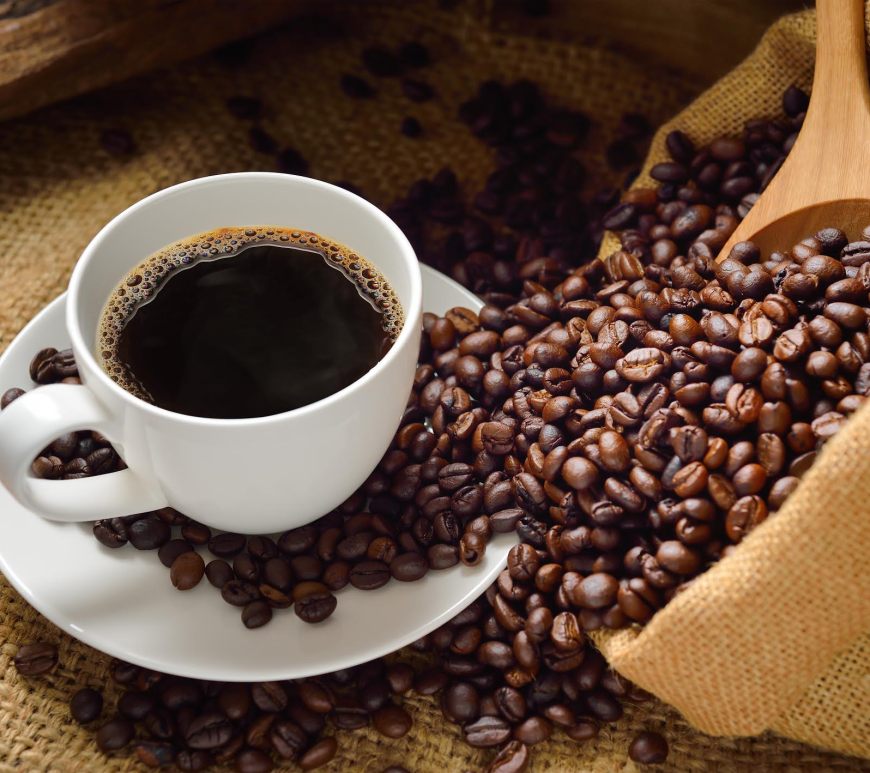
by Julia Newman (’19) Despite the common conception that coffee can be unhealthy, many research studies show that drinking coffee in moderate amounts may benefit your body in the long run for reasons scientists are mostly unaware of. Coffee has been shown to greatly help in preventing type 2 diabetes, liver disorders, and even Parkinson’s disease. In addition, it tends to have no effect on … Continue reading The Health Benefits of Coffee

A New Drug For Kidney Disease

by Sahil Rawal (’19) Type 2 diabetes is a serious disease that has been connected with organ failures throughout the body. One example of this is kidney disease, which has been shown to develop in 35% of people with Type 2 diabetes. Current treatments for kidney disease involve glucose-controlling systems and RAAS-blocking agents, but these therapies still leave patients at a high risk for death. … Continue reading A New Drug For Kidney Disease

New Vaccines Are Stronger Than Ever

by Julia Newman (’19) A vaccine developed by a new technique at the University of Buffalo in New York has capabilities beyond any previously created vaccine. These new vaccines, unlike their predecessors, have both natural bacterial and man-made polymer components, which allow them to have multiple mechanisms for the delivery of antigens within the vaccine. They can now be delivered not only actively, as they … Continue reading New Vaccines Are Stronger Than Ever