





Swimming Pools May Be Mutagenic
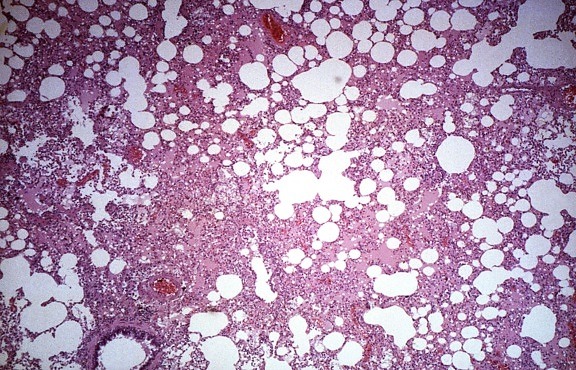
By Sahil Rawal (’19) Swimming pools are known to contain many disinfectant products such as chlorine to keep the water safe to swim in. However, studies have recently found that these disinfectants release byproducts that could eventually react with organic matter already present in the water, such as human urine or sweat. These released byproducts have already been found to cause cases of asthma and … Continue reading Swimming Pools May Be Mutagenic


The Moon and its Effects on Sleep and Behavior
By Lillian Pao (’18) For centuries, the mythical powers of the moon and its influence over human behavior have fascinated mankind. Because of this fascination, an international group of scientists decided to test whether the lunar phases affected children’s sleeping patterns. The full moon, half moon, and new moon were the three lunar phases that were tested. Over … Continue reading The Moon and its Effects on Sleep and Behavior

The Health Consequences of Eating Potatoes
by Sahil Rawal (’19) Potatoes have been a staple in our diet for a very long time; they were recently added to the US healthy meals program after they were shown to increase potassium levels and lower blood pressure. Despite this, the effect of increased consumption of potatoes on blood pressure is still unclear. As a result, researchers from Brigham and Women’s Hospital decided … Continue reading The Health Consequences of Eating Potatoes

How Childhood Trauma May Be Surmounted
by Julia Newman ’19 Past studies display that children exposed to traumatic experiences, such as death of a family member, are prone to developing not only mental issues, but also issues concerning their physical health. However, more recent research proves that these traumas, also known as adverse childhood experiences (ACEs), and their effects can be overcome if the children are living in a healthy environment. This study, conducted by … Continue reading How Childhood Trauma May Be Surmounted

Loss of Reefs Traced Back to Carbon Dioxide Levels
By Julia Newman ’19 As the growth of limestone in coral reefs slows, their ecosystems are drastically reduced in terms of size and diversity. This is a natural cycle that occurs in autumn and winter each year due to the decrease in water temperature and light during those months; the corals that represent much of these reefs are usually able to produce enough limestone to make up for … Continue reading Loss of Reefs Traced Back to Carbon Dioxide Levels
DNA Packing Mechanisms in Viruses Revealed
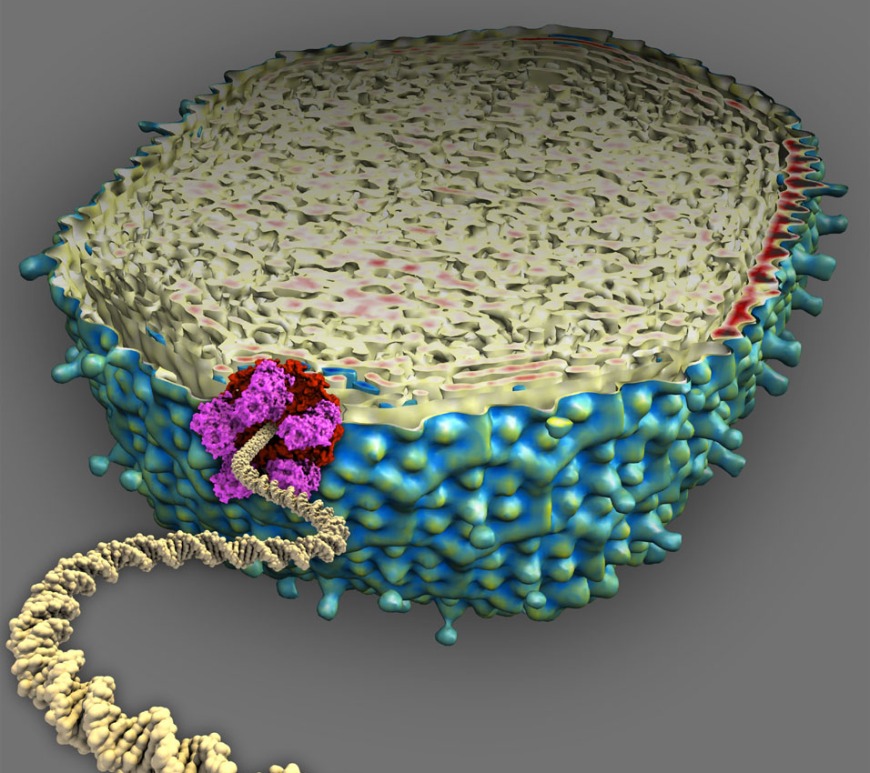
by Julia Newman ’19 New studies on the packing of DNA in viruses show that it sometimes behaves like a fluid and other times like a solid, similar to a tube of toothpaste or a cup of sand. For this reason, it was difficult in the past for scientists to determine how DNA is packed within a viral shell. However, it turns out that viruses actually have a … Continue reading DNA Packing Mechanisms in Viruses Revealed

Asteroids May Have Fostered Life on Mars
By Julia Newman Fig 1: Analysis of Mars’ surface shows a history of bombardment. Ever since the official announcement of water on Mars just last September, the search for habitable conditions on the planet has been more intense than ever. Studies from earlier this week suggest that while Earth’s surface is affected mostly by erosion and plate tectonics, Mars has been subjected to billions of … Continue reading Asteroids May Have Fostered Life on Mars
Baboon Case Study Furthers Transplant Research
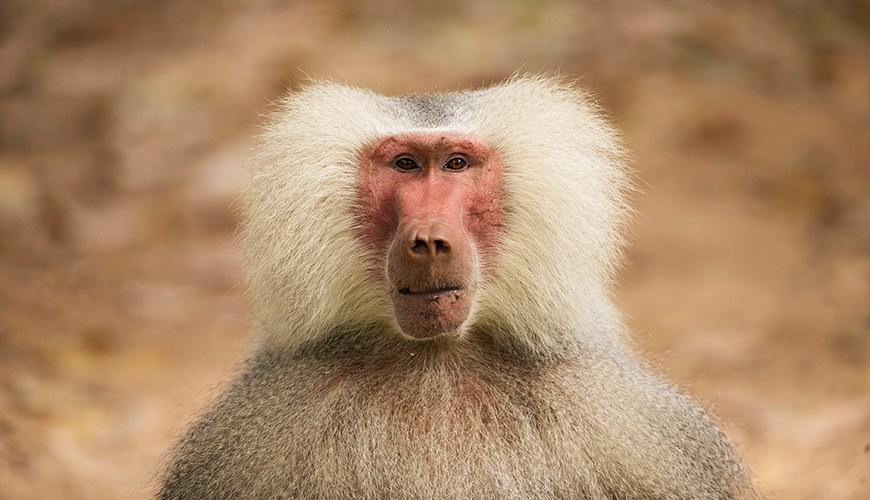
By Julia Newman ’19 Eight thousand people in the United States die each year while waiting for a viable heart transplant, but recent baboon studies suggest that scientists may one day be able to drastically decrease this statistic. Finding enough human organ donors can be extremely difficult, which has led researchers to investigate cross-species transplants within the last few decades. However, given that many donated … Continue reading Baboon Case Study Furthers Transplant Research

Algae May Be The Key To Curing Cancer
By Julia Newman ’19 Newly discovered properties of blue-green algae may make it a better treatment for brain tumors than any method or drug used in the past. Although this type of algae, also known as cyanobacteria, can be traced back over two billion years, the effect of the coibamide A found within cyanobacteria has only been discovered now. Most cancer cells undergo a process … Continue reading Algae May Be The Key To Curing Cancer

Antibiotics Do Not Affect Gene Swapping In Bacteria
By Meghan Bialt-DeCelie ’19 Antibiotics are becoming increasingly ineffective as bacteria rapidly develop resistance to them. Scientists once believed that antibiotics promote conjugation, a process in which the DNA of bacteria can be swapped for more helpful genes in order to develop a resistance. In a study led by Dr. Lingchong You of Duke University, researchers were able to determine that antibiotics actually do not increase … Continue reading Antibiotics Do Not Affect Gene Swapping In Bacteria

Filtering Power Plant Exhaust with a CO2 Fastlane
By Meghan Bialt-DeCelie ’19 With the increasing amount of carbon dioxide gas contributing to global climate change, scientists are struggling to find strategies to reduce it. The usage of hybrid polymer-MOF membranes is being explored as a possible strategy because of their energy and cost efficiency in comparison to previous methods of gas separation. However, these membranes need to be improved in their carbon dioxide … Continue reading Filtering Power Plant Exhaust with a CO2 Fastlane

Hormone Producing Microbes Protects from Plant Pathogens
By Meghan Bialt-DeCelie ’19 Using microbes is one of the more unique ways of protecting plants from abiotic and biotic stresses of the environment. Researchers from the University of Copenhagen discovered a novel method for bacteria to produce a plant hormone called cytokinin that can biocontrol plants. Cytokinin is responsible for a wide range of functions including cell division, nutrient mobilization, and seed germination. There are … Continue reading Hormone Producing Microbes Protects from Plant Pathogens

