





Monocytes as Potential Targets for Early Intervention of Mild Cognitive Impairment
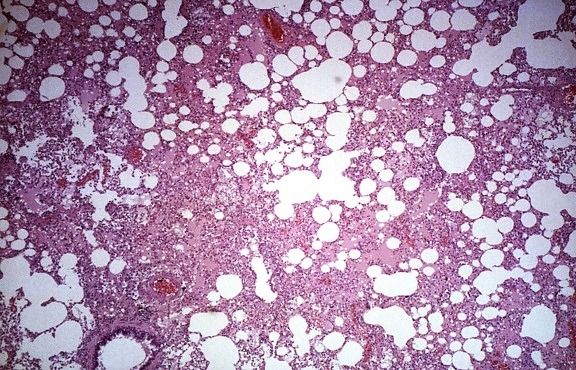
Thumyat Noe ’23 In addition to the psychological trauma inflicted on responders and survivors of the September 11, 2001 terrorist attack on the World Trade Center (WTC), research has found that this group is experiencing earlier signs of mild cognitive impairment as they age. Currently, scientists do not understand much about the progression of this condition in WTC responders. However, a study headed by Dr. … Continue reading Monocytes as Potential Targets for Early Intervention of Mild Cognitive Impairment


Exercise it Out: Using Exercise as a Tool to Combat Burnout in Nursing Students
Thumyat Noe ’23 Nursing students participate in internships at the end of their education to increase efficiency of clinical practices. This transition from student-to work-life is often stressful, causing many nursing students to experience burnout, a psychosocial problem characterized by emotional exhaustion, loss of enthusiasm, and depersonalization. Constant stress and feelings of hopelessness can be detrimental to the well-being and academic success of nursing students; … Continue reading Exercise it Out: Using Exercise as a Tool to Combat Burnout in Nursing Students

Brawn Before Brains in Early Mammalian Development
Zhifei Zeng ’23 Of all vertebrates, mammals have the largest brains in terms of absolute size and relative to body size. Significant encephalization (an increase in brain size relative to body size) has been observed in the placenta of extant mammals. However, until recently it has not yet been determined when mammalian brains began to increase in size and how they evolved to their current … Continue reading Brawn Before Brains in Early Mammalian Development

The Power of Painting: Art Therapy for Holocaust Survivors
Peter Gillespie ’25 Trauma during the formative stages of childhood can lead to permanent alterations to the neuroendocrine system, largely impacting one’s responses to stress. Previous brain scans have shown that reflection upon trauma triggers immense emotional activity but little speech-related activity; thus, traumatized individuals may have strong feelings yet are unable to verbalize their emotions. A team led by Roni Israeli at the University … Continue reading The Power of Painting: Art Therapy for Holocaust Survivors
Onions and Garlic May Help Reduce Stomach Cancer Risk
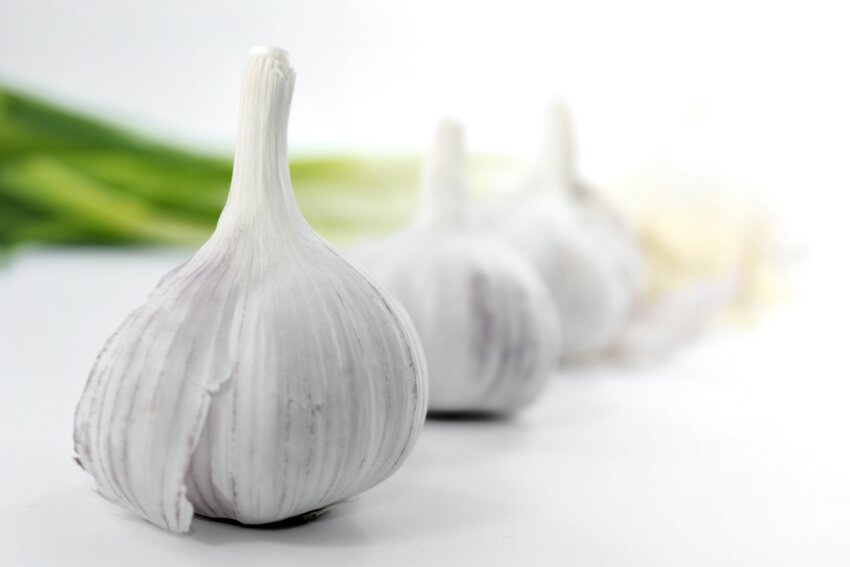
Zhifei Zeng ’23 Stomach cancer, or gastric cancer, is the fourth leading cause of cancer deaths worldwide, and dietary habits play an important role in the development of this cancer. For example, heavy alcohol consumption or high consumption of salt-preserved foods increases the risk of stomach cancer, while diets rich in fruits or vegetables decrease the risk. However, the specific types of vegetables that are … Continue reading Onions and Garlic May Help Reduce Stomach Cancer Risk

Fish Out of Water: Uncovering the Mechanisms for Survival in Extreme Environments
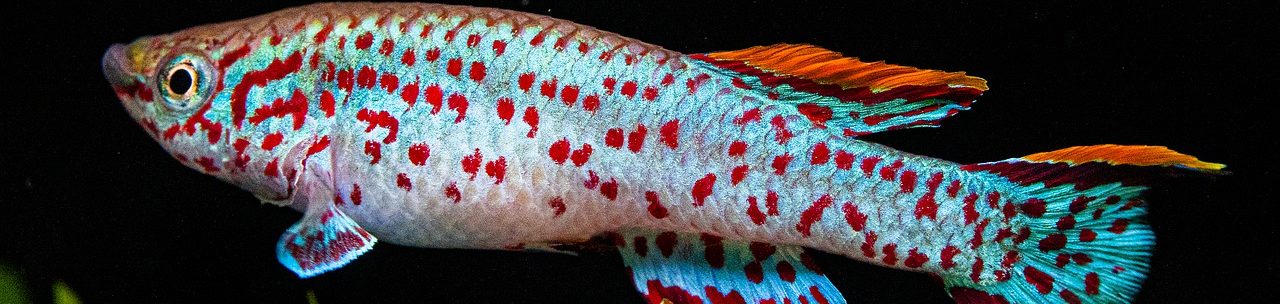
Peter Gillespie ’25 Most fish, when left without water, will simply not survive. However, research from Dr. Chi-Kuo Hu from Stony Brook University reveals how the embryos of the African turquoise killifish can survive eight-month long droughts in a dormant state known as diapause. Diapause is a state of suspended animation during which a fully developed killifish may temporarily halt its development. Dr. Hu and … Continue reading Fish Out of Water: Uncovering the Mechanisms for Survival in Extreme Environments

The Influence of Color in Artwork on Personal Preference
Joyce Chen ’23 While one’s artistic tastes are subjective, there is a universal preference for certain colors in artwork. This was observed in recent studies that assessed participants’ color preferences by changing the color spectrum of several unfamiliar paintings. Overall, the participants preferred the color compositions most similar to the original paintings, though the reasons for these preferences remain unknown. Dr. Shigeki Nakauchi of the … Continue reading The Influence of Color in Artwork on Personal Preference

Music-Based Sensory Therapy Alleviates Symptoms of Anxiety
Vignesh Subramanian ’24 Anxiety disorders are mental health conditions involving excessive nervousness and fear, which are often characterized by distinct phobias, restlessness, and panic attacks. Many conditions spanning the spectrum of anxiety disorders are diagnostically linked to early stressful life events (ELS) in an individual’s development, which compound the stresses of traumatic or rapidly transformational experiences and negatively rewire signaling patterns in key neural pathways. … Continue reading Music-Based Sensory Therapy Alleviates Symptoms of Anxiety

MRI Brain Mapping of Glymphatic System May Inform AD Diagnostic
Vignesh Subramanian ’24 Alzheimer’s disease (AD) is a neurodegenerative disorder and form of dementia that causes progressive loss of memory, critical thinking skills, and behavioral capabilities. Among other pathophysiological mechanisms, the disease is characterized by disruptions in the glymphatic system, which is responsible for the facilitation of cerebrospinal fluid (CSF) and interstitial fluid (ISF) exchange driving macroscopic waste and solute clearance. Breakdowns in this clearance … Continue reading MRI Brain Mapping of Glymphatic System May Inform AD Diagnostic
Square Dancing can Improve Cognitive Performance in Older Women
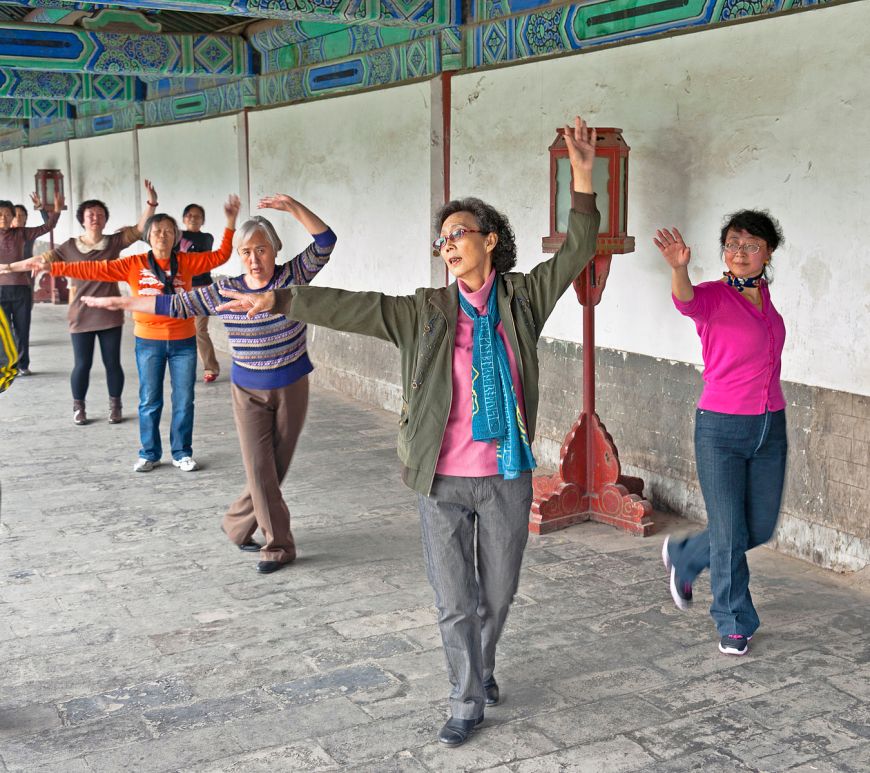
Yukta Kulkarni ’22 It is a well-known fact that exercise has many physical and psychological benefits. For example, persistent exercise is associated with increased muscle strength, a better metabolism, and even improving mood. Amidst common forms of exercise such as weight lifting and running, other activities such as dancing can fall into this category. Previous studies have shown that dancing offers advantages such as improvements … Continue reading Square Dancing can Improve Cognitive Performance in Older Women
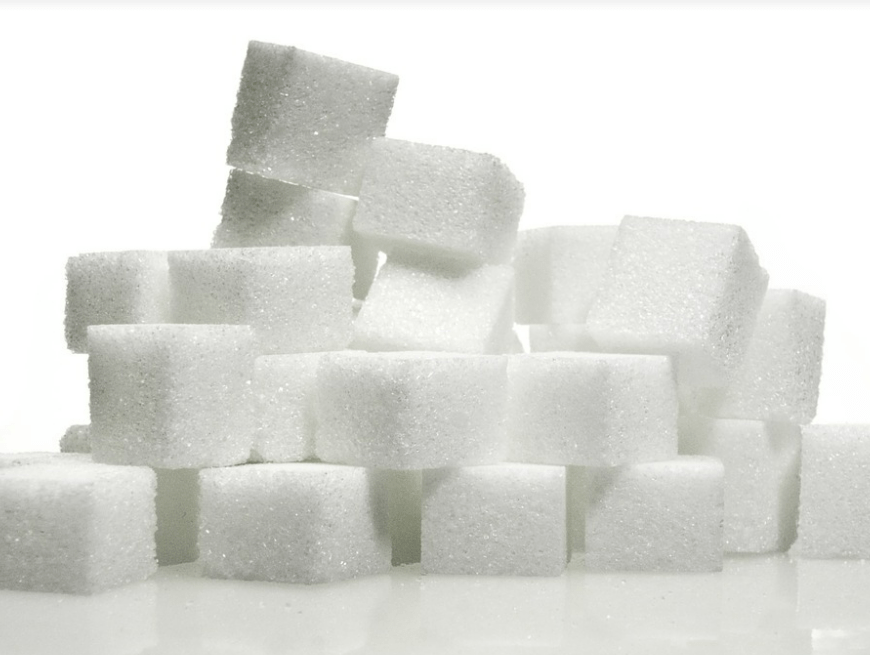
From Sugars to Medicine: Advancements in Selective Carbohydrate Modification
Peter Gillespie ’25 What if simple sugars could be turned into vital medicines? Dr. Ming-Yu Ngai and his team at Stony Brook University are making this dream a reality. Due to their relevance in cell-cell recognition, protein folding, inflammation, and infection, carbohydrate modification poses an intriguing avenue through which scientists can treat issues from viral infection to malfunctions in protein folding. Changing the character of … Continue reading From Sugars to Medicine: Advancements in Selective Carbohydrate Modification

History of Maternal Depression May Correlate with Hippocampal Volume in their Children
Yukta Kulkarni ’22 Depression is defined as a mental disorder in which a person has consistent feelings of sadness and a severe loss of interest. Affecting all age groups, parents can be inflicted with depression or depression-like symptoms. Previous studies have found that children of parents suffering from depression have an increased risk of developing psychiatric disorders during their lifetimes. However, the process of how … Continue reading History of Maternal Depression May Correlate with Hippocampal Volume in their Children
 Young Investigators Review