






How Do We Recognize Dog Emotions?
Ayesha Azeem ‘23 We humans are very complex creatures. When we spend a lot of time in close association with a species, we tend to treat them as if they are humans as well, and we can decipher their emotions clearly. With the expression of emotions, we can communicate our motivations, responses and needs to others. Recognizing animals’ emotions can be beneficial, as it may … Continue reading How Do We Recognize Dog Emotions?

Genetics and the Brain
Ayesha Azeem ‘23 Our society currently witnesses an underrepresentation of females in most ‘heavy’ science and mathematics fields, including technology and engineering. Though some may argue that the unfair proportions are due to biological differences, little evidence supports this claim. Scientists study biological differences in the brain, and the brains of males and females are more similar than not. Though behavioral studies often find no … Continue reading Genetics and the Brain

How Relaxing Music Affects Sleep
Ayesha Azeem ‘23 Sleep is vital for maintaining physical and mental health and general well-being. However, our society often witnesses sleep disturbances, especially as we get older and in those who suffer from psychological disorders. However, many people, especially the elderly or those suffering from psychological disorders, experience sleep disturbances. Though some may use sleep-inducing medication, this may not be as effective as toleration can … Continue reading How Relaxing Music Affects Sleep

Open-Label Placebos and Test Anxiety
Ayesha Azeem ‘23 Test anxiety is a condition that affects up to 40% of students who suffer immense stress and worry before and while taking a test. Anxiety in test situations can present itself in many different ways and may not seem so apparent to the sufferer at first. Symptoms include: nervousness, high heart rate, sweating, avoidance, and failing concerns. Anxiety can weaken the ability … Continue reading Open-Label Placebos and Test Anxiety
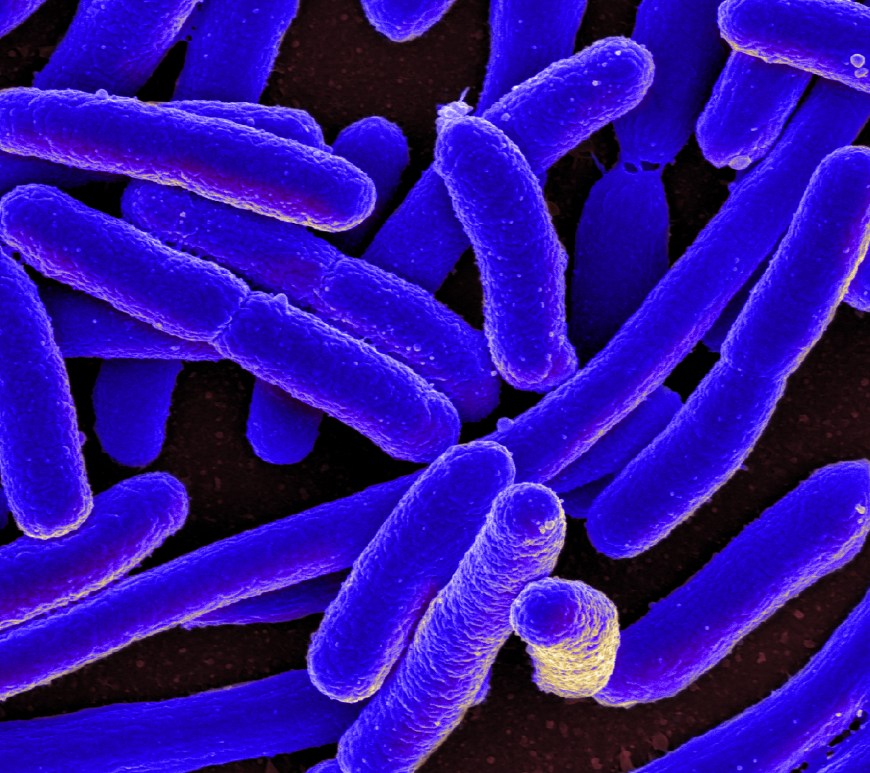
Bacteriophages as Therapeutic Targets in the Alleviation of Alcoholic Liver Disease Symptoms
Simran Kaur ‘20 The acute form of alcohol-induced liver disease, alcoholic hepatitis, has a high mortality rate, and therapy is insufficiently effective. It is known to be promoted by gut microbiota. Cytolysin, a cell-destroying substance secreted by Enterococcus faecalis, is a major cause of hepatocyte apoptosis, consequent liver injury, and progression of hepatic disease. Patients diagnosed with alcohol-dependence present with significantly higher concentrations of E. … Continue reading Bacteriophages as Therapeutic Targets in the Alleviation of Alcoholic Liver Disease Symptoms

Disturbances in Circadian Clock Linked to Increased Susceptibility of Brain Tumors
Simran Kaur ‘20 All living organisms have circadian rhythms, an approximately twenty-four cycle that ensures the appropriate timing of important physiological functions such as digestion and sleep. Glioblastoma stem cells (GSCs) that are involved in the formation of aggressive brain tumors are stimulated by altered circadian clocks. Clock genes are responsible for the oscillation of gene expression within the day and can behave as both … Continue reading Disturbances in Circadian Clock Linked to Increased Susceptibility of Brain Tumors

Engineered T-cells as a Target for Fibrosis in Myocardial Disease
Simran Kaur ‘20 Fibrosis, the excessive deposition of extracellular matrix by fibroblasts into cardiac tissue, is a significant process in the development of cardiac disease and subsequent cardiac failure, but there are not many clinical treatments that can effectively target it. Cardiac fibroblasts express an antigen that can be targeted by the transplantation of antigen-specific CD8+ T-cells because CD8+ T-cells are involved in the inflammatory … Continue reading Engineered T-cells as a Target for Fibrosis in Myocardial Disease

CRISPR-Edited Stem Cells as a Potential Therapeutic Target for Cancer in Immunocompromised Individuals
Simran Kaur ‘20 CRISPR-Cas9 technology has been used to edit the mammalian genome for decades, allowing scientists to remove, add, and change sections of DNA sequences. The human immunodeficiency virus (HIV) does not have a cure that exists, but studies have shown that allogeneic transplantation of STEM cells into diagnosed patients can eradicate the virus. CCR5 is the coreceptor for the entry of HIV into … Continue reading CRISPR-Edited Stem Cells as a Potential Therapeutic Target for Cancer in Immunocompromised Individuals
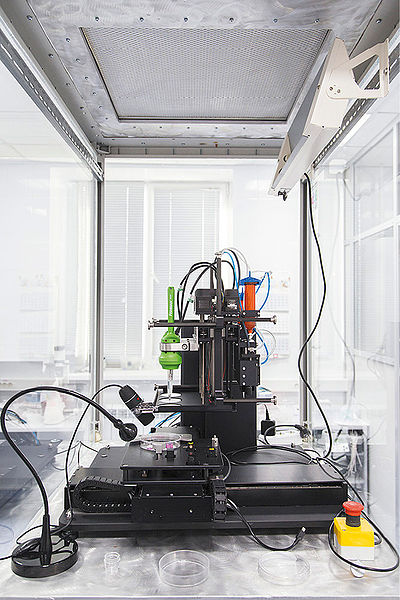
The Future of 3D Printing in Biotechnology
Aditi Kaveti ‘23 Health technology has advanced tremendously, especially in the field of tissue engineering. Two main products that have resulted from tissue engineering are scaffolds and hydrogels, both being distinct physical forms of polymers for tissue engineered skin. To enhance cell interaction with polymers, cells need to be present as integrated parts of the bioengineered tissue or host cells need to be recruited for … Continue reading The Future of 3D Printing in Biotechnology
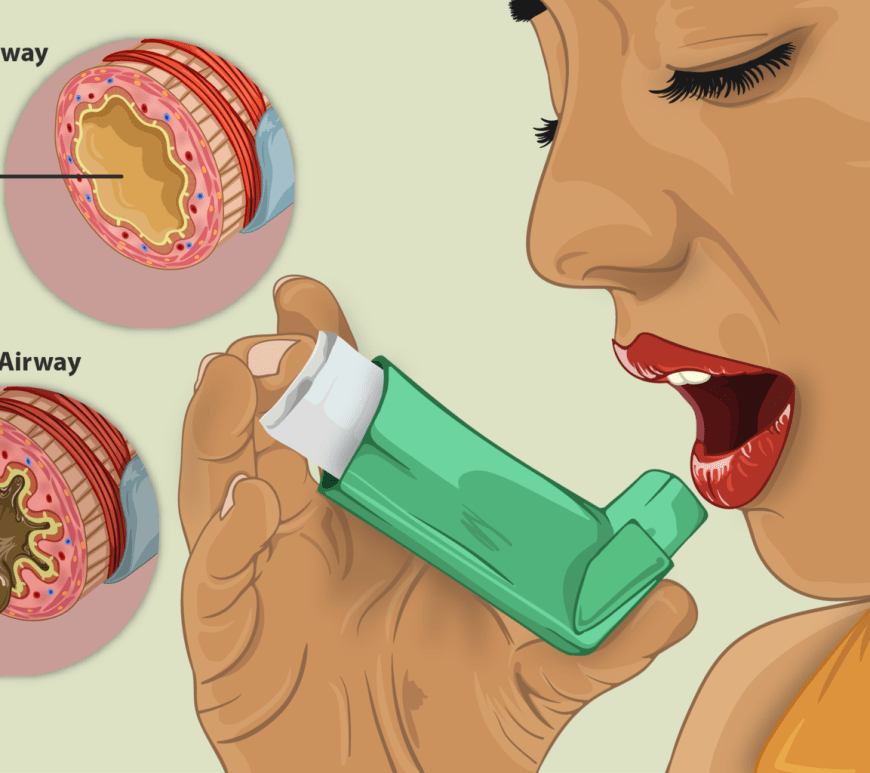
The Relationship Between Dopamine and Development of Asthma
Aditi Kaveti ‘23 Asthma is a chronic condition in the United States that affects more than 26 million people, including an estimated 6 million children. Asthma is described as an intermittent inflammation and narrowing of the airways in the lungs, wheezing, chest tightness, shortness of breath, and coughing. Inflammation is regulated by the nervous system which is regulated by the immune system. Harvard researcher Xingbin … Continue reading The Relationship Between Dopamine and Development of Asthma

Cardiovascular Health Benefits to Dog Ownership
Aditi Kaveti ‘23 Loneliness and depression — in addition to a lack of physical activity — can increase the risks associated with health complications and premature death. Previous studies have demonstrated the links dog ownership has with increased physical activity, reduced social isolation, and lower blood pressure. A new study conducted by Professor Tove Fall at Uppsala University in Sweden suggested that dog ownership could … Continue reading Cardiovascular Health Benefits to Dog Ownership
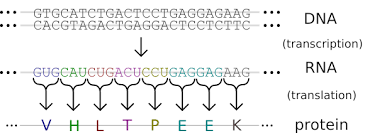
The Potential for Targeted Cancer Therapy
Aditi Kaveti ‘23 Human bodies rely on tumor suppressors to regulate cell production. The bromodomain-containing protein 9 (BRD9) RNA molecule is an important tumor suppressor for many types of cancer, including uveal melanoma, chronic lymphocytic leukemia, and pancreatic cancer. BRD9 is extremely important because it represses abnormal cell reproduction and the formation of tumors. A mutation in the gene that produces the BRD9 RNA molecule … Continue reading The Potential for Targeted Cancer Therapy
 Young Investigators Review