







New Model Predicts How Genetics Affects Heart Structure
By Gene Yang ’19 Congenital heart disease is the most common birth defect in the world. This broad group of genetic conditions affect the heart’s structure and function in different ways, with symptoms ranging from harmless to fatal. However, very little is known about how a human’s genetic makeup affects cardiovascular development. A recent study, which constructed a model that predicts correlations between genetics and … Continue reading New Model Predicts How Genetics Affects Heart Structure


Warming Waters Unexpectedly Alters Growth of Antarctica’s Sea Life
By Gene Yang ’19 In shallow Antarctic waters, a nine-month long study was the first of its kind to artificially warm conditions in the sea floor to predicted climate change levels, and in doing so, the researchers saw an increase in the growth rates of select species. Scientists placed artificial “settlement panels” on the sea floor of shallow Antarctic waters. The composition of these panels … Continue reading Warming Waters Unexpectedly Alters Growth of Antarctica’s Sea Life

Crustacean Body Size Changes with Climate
By Gene Yang ’19 Crustaceans play an important role in coastal ecosystems, an area of research that can provide new insight into climate change. A recent study found a correlation between body sizes of intertidal crustaceans, latitude, and sea-surface temperature. A collaboration of researchers from six universities sampled the body sizes of four keystone crustacean species from 44 sandy beaches in California and Chile: high-shore … Continue reading Crustacean Body Size Changes with Climate
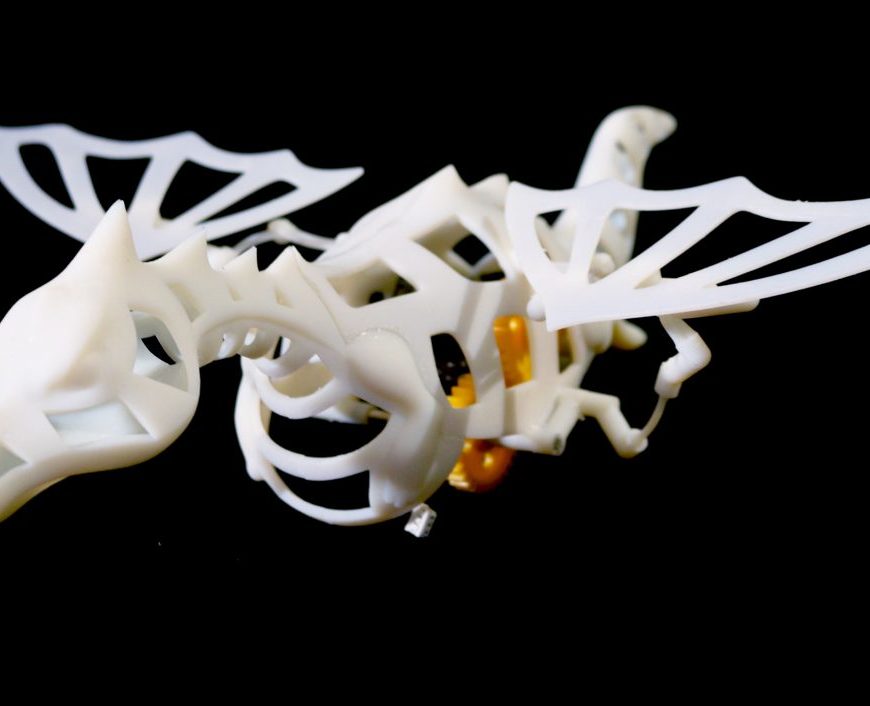
New Disney Study Suggests More Effective 3D Printing Designs
By Caleb Sooknanan ’20 Compliant mechanisms are mechanisms that can transfer forces or displacements to other points along their bodies. 3D printing can be used to quickly and effectively design compliant mechanisms for commercial use, but more work is needed to understand how such devices can be printed. Doctor Bernhard Thomaszewski and researchers from Disney Research Zurich in Switzerland devised a computational tool that would … Continue reading New Disney Study Suggests More Effective 3D Printing Designs

The Effects of Carotenoids on Cognitive Ability
By Caleb Sooknanan ’20 Lutein — a carotenoid or pigment from green foods such as spinach and kiwifruit — can be quantified in central nervous system tissue, making it a useful way of evaluating diet’s effect on the brain. However, scientists are still determining whether higher lutein amounts yield cognitive ability improvements. Doctor Naiman A. Khan and researchers at the University of Illinois at Urbana-Champaign … Continue reading The Effects of Carotenoids on Cognitive Ability

3D-Printed Ear Devices Detect Core Body Temperature
By Caleb Sooknanan ’20 Healthcare sensors are frequently used to detect skin temperature, but more research is needed to design a device that can pinpoint core body temperature levels and help doctors predict the likelihood of fever, fatigue, and other physiological phenomena. Professor Ali Javey and researchers at the University of California, Berkeley designed a printable smart device that — when placed on a patient’s … Continue reading 3D-Printed Ear Devices Detect Core Body Temperature

Disrupting Enzyme To Tackle Alzheimer’s Disease
By Rideeta Raquib ’19 From histone modifications to DNA alterations, epigenetic processes play a major role in various physiological systems. Histones are proteins in eukaryotic cells that package DNA strands into nucleosomes. Gene regulation processes include histone acetylation, whereby an acetyl group is transferred from one molecule to another. This eventually removes the positive charge on the histones, giving nucleosomes a relaxed structure and allowing … Continue reading Disrupting Enzyme To Tackle Alzheimer’s Disease

Gut microbe as Potential Treatment for Multiple Sclerosis
By Rideeta Raquib ’19 The human gut is colonized by many microorganisms and each of them plays a role in maintaining various physiological functions, such as regulating digestion and fat absorption. It has been found that a vast number of inflammatory diseases around the world are associated with an instability of the gut microbiome. Researchers at the Mayo Clinic and University of Iowa suggest that … Continue reading Gut microbe as Potential Treatment for Multiple Sclerosis

Improved Zika Vaccine Produced by Tobacco Plant extract
By Rideeta Raquib ’19 The Zika virus (ZIKV) is a deadly virus transmitted through mosquito bites that at its climax has infected more than 1.5 million people in Brazil in 2015. The virus continues to spread with approximately 200 ZIKV cases reported in the United States this year. In order to combat the epidemic, new ZIKV vaccines have been developed to inactivate the virus. However, … Continue reading Improved Zika Vaccine Produced by Tobacco Plant extract

Researchers Develop Low-Power Assistive Stairs
By Anna Tarasova ’19 Many elderly and mobility-impaired individuals are unable or tend to be unwilling to use stairs. While assistive technologies exist, they are frequently costly and unsustainable. The principle of energy recycling has been previously applied to walking assistance mechanisms that take advantage of the continuous braking and propelling of the legs. However, during stair-walking, ascent is a period of constant propulsion and … Continue reading Researchers Develop Low-Power Assistive Stairs

A New Model for Group Decision-Making
By Anna Tarasova ’19 Making a decision in a group requires integrating individual and group beliefs. It has been previously demonstrated that one is more likely to assign greater credibility to the beliefs of a larger group than to those of a smaller group. Prior researchers have also theorized that the adoption of group beliefs by individuals is driven by a desire to mitigate potential … Continue reading A New Model for Group Decision-Making
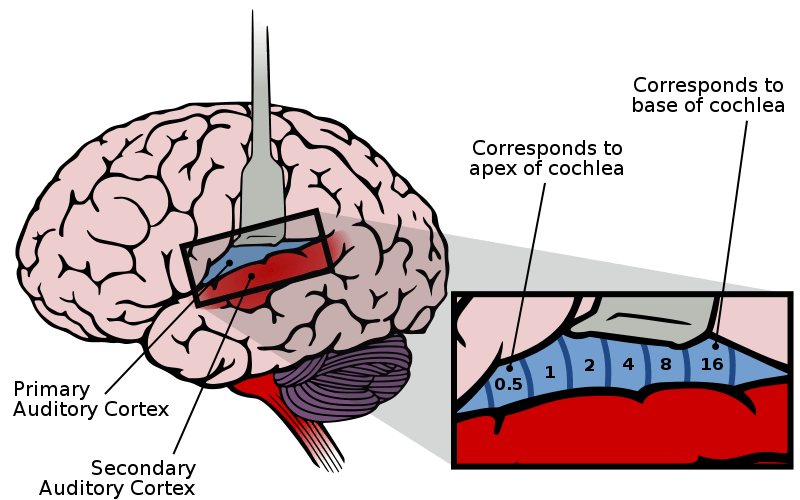
Restoring Auditory Cortex Plasticity in Adults
By Anna Tarasova ’19 Being able to form, maintain, and strengthen neural connections within the auditory cortex is an important part of language acquisition. Neural plasticity, or the ability of the brain to establish new connections, is especially high in childhood, but decreases with age. A discovery made by Dr. Jay Blundon and his colleagues at the St. Jude Children’s Research Hospital has the potential … Continue reading Restoring Auditory Cortex Plasticity in Adults
 Young Investigators Review