Cows’ Moo-sic: Raga and Chinese Five-Element Music on Cattle Performance and Welfare

Author: Maegan Diep, Class of 2029 The beneficial effects of music are garnering attention for their healing abilities and their impacts on physiological and psychological states on humans and animals alike. Research has implicated music in stress alleviation in laboratory animals, improvements in egg production and hatchability in quails, and extended resting periods in pigs. Cows, in particular, are currently being studied for their productivity … Continue reading Cows’ Moo-sic: Raga and Chinese Five-Element Music on Cattle Performance and Welfare

SCIENCE AND GAC: HOW SCIENTIFIC INACCURACIES HAVEBEEN USED TO SHAPE POLICY

Laura Ladekarl, Class of 2025 Gender-affirming care (GAC) has been increasingly accepted all over the world, including social transition support, puberty blockers, hormone therapy, and surgeries. At the same time, there has been a rise in legal restrictions on the same care for minors. Dr. Wuest from Mount Holyoke College and Dr. Last from Stony Brook University argue that these bans are deliberately produced using … Continue reading SCIENCE AND GAC: HOW SCIENTIFIC INACCURACIES HAVEBEEN USED TO SHAPE POLICY

Can a Change in Diet Improve Non-Motor Symptoms in Parkinson’s Patients?

Asher Agarwal, Class of 2027 Parkinson’s disease (PD), the second most prevalent neurodegenerative disease, is caused by the loss of dopaminergic neurons in the substantia nigra, a region important for the modulation of motor control. The classic triad of Parkinson’s symptoms is tremors, rigidity, and bradykinesia (slowness of movement). Recent research has been investigating the gastrointestinal (GI) symptoms associated with Parkinson’s. Evidence suggests the existence … Continue reading Can a Change in Diet Improve Non-Motor Symptoms in Parkinson’s Patients?

Online Gaming: Is it a beneficial social space for everyone?

Author: Asher Agarwal, Class of 2027 Figure 1. A person playing Fortnite on a Nintendo Switch. Online gaming, an activity played with others via the internet, is popular across all ages, abilities, and genders. Recently, research has been delving into the positive effects of gaming, such as the correlation of online gaming with social well-being. Researchers from NTNU Social Research, the University of Agder, and … Continue reading Online Gaming: Is it a beneficial social space for everyone?

Parasocial Relationships: One-Sided, Yet Significant

Author: Amal Bilal, Class of 2028 Figure 1. Woman wearing headphones while scrolling through YouTube Parasocial relationships (PSRs) are one-sided relationships that one develops with media personae, such as celebrities, fictional characters, or social media influencers, who are incapable of returning sentiment. Recent studies suggest that one-sided relationships may serve as valuable social resources, fulfilling many of the same needs as two-sided relationships with close … Continue reading Parasocial Relationships: One-Sided, Yet Significant

Amyloid-beta Deposition: A Cause or Byproduct of Alzheimer’s?

Author: Farzad Hoque, Class of 2028 The relationship between neurovascular coupling and Alzheimer’s disease (AD) progression has been a focal point of neurological research. While vascular dysfunction in AD is well-documented, questions remain about whether these abnormalities emerge before amyloid-beta (Aβ) deposition or arise as a consequence. Recent research has shed light on the early neurovascular changes in mouse models of AD, suggesting new mechanisms … Continue reading Amyloid-beta Deposition: A Cause or Byproduct of Alzheimer’s?

Algae Consumption: An Unexpected Boost to Video Game Performance

Author: Sean Krivitsky, Class of 2026 Figure 1. Image depicting various marine algae species, namely Chorda filum and Cladophora glomerata. Video games have always been considered by many as just a trivial hobby. Yet, in recent years, there has been a rise in the popularity of video game streaming, especially in competitive settings. Consequently, in such competitions, players need to prioritize factors like attentiveness and … Continue reading Algae Consumption: An Unexpected Boost to Video Game Performance

Duty Calls: Video Games as an Outlet for Reflection and Fulfilling Desires

Author: Ishmam Khan, Class of 2025 Figure 1: Social media is a common outsource for video game discussion; Reddit is the most popular source for these discussion topicsCall of Duty is an iconic first-person shooter video game published by Activision Studios. The game is known for its dynamic gunplay, innovative realistic graphics, and its gritty portrayal of war. However, Call of Duty has a contentious … Continue reading Duty Calls: Video Games as an Outlet for Reflection and Fulfilling Desires

Climbing Up The Rock To The Top: Building Endurance through Video Games

By Sajia Athai, Class of 2026  While parents often worry about curbing their children’s exposure to video games, there is an increasing demand for combining innovation and fitness, as seen in the application of active video games. As adults grow older, difficulties in physical activity become the focus of their lives. Many adults don’t have the time or money to pursue activities such as muay … Continue reading Climbing Up The Rock To The Top: Building Endurance through Video Games

EEG Research in Maternal Health – Implications and Resolutions of Racial Disparities

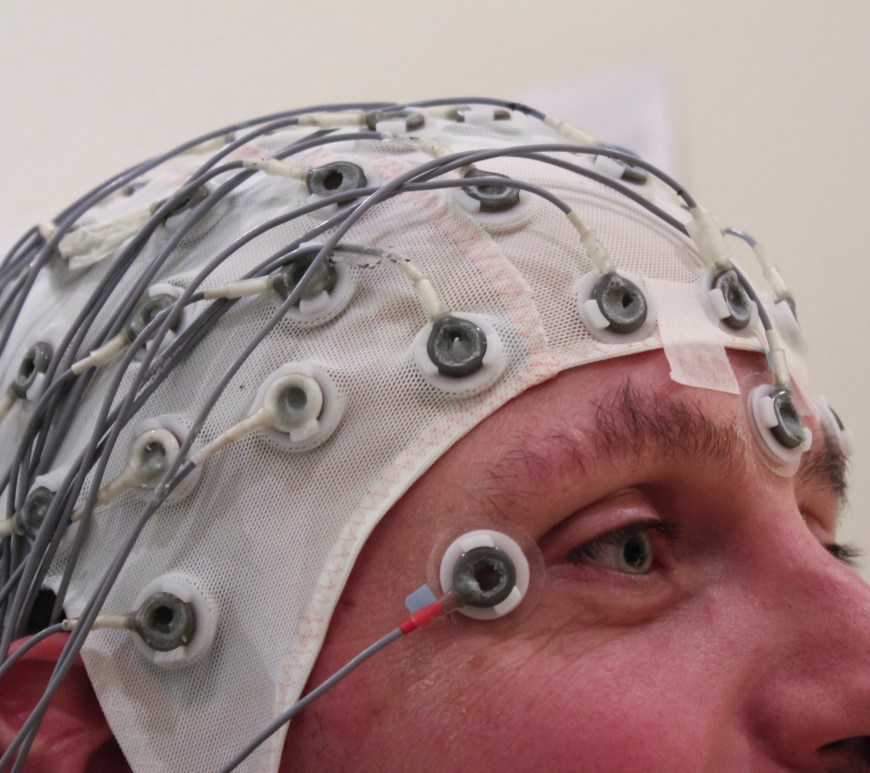
Author: Luis Caseñas, Class of 2026 Figure 1: EEG cap and electrodes placed on the head of a participant; the blunt nature of these electrodes works better with hair types from a white population rather than black. Maternal health refers to mothers’ physical and mental well-being during pregnancy, childbirth, and postpartum. In the study of maternal health, electroencephalography (EEG), which generates event-related potentials (ERPs), is … Continue reading EEG Research in Maternal Health – Implications and Resolutions of Racial Disparities

What do Machines Know of Depression? Explaining Past Failures of Clinical Algorithms About MDD

Author: Ishmam Khan, Class of 2025 Figure 1: MDD is a devastating, extremely common, and fast-growing disease in terms of suffering, mortality, and cost to society. Since COVID-19, the rates of mental health disorders have increased significantly. One such disorder is Major Depressive Disorder (MDD), a serious disorder affecting more than 8% of the US population. As of 2024, the remission rates, or rate of … Continue reading What do Machines Know of Depression? Explaining Past Failures of Clinical Algorithms About MDD

Orbitofrontal Cortex Studies May Pave the Way to Treating Social Anhedonia

Author: Kimberly Johnston, Class of 2026 Social anhedonia is a psychological condition characterized by a diminished ability to experience pleasure from social interactions and activities. It is associated with greater symptom severity and poorer response to treatment in individuals with Major Depressive Disorder (MDD). In individuals with MDD and social anhedonia, abnormalities in the orbitofrontal cortex (OFC) may hinder the brain’s ability to properly respond … Continue reading Orbitofrontal Cortex Studies May Pave the Way to Treating Social Anhedonia